
Anúncios
Transform your daily routine with smart voice control technology that simplifies home management, organizes tasks, and brings entertainment to your fingertips effortlessly.


Imagine walking into your home and simply speaking a command to dim the lights, adjust the thermostat, or play your favorite playlist.
Anúncios
This isn’t science fiction anymore—it’s the reality of smart home assistants that are revolutionizing how we interact with our living spaces.
Voice-activated technology has evolved from a luxury novelty into an essential tool that seamlessly integrates into our daily lives.
Anúncios
Whether you’re a busy professional juggling multiple responsibilities, a parent managing household chaos, or someone who simply values efficiency, voice assistants offer a hands-free solution that saves time and reduces stress.
From controlling connected devices to managing shopping lists and providing instant entertainment, these intelligent companions are designed to make your life genuinely easier.
🏠 Taking Complete Control of Your Smart Home Ecosystem
The foundation of a truly intelligent home begins with seamless device integration. Modern voice assistants serve as the central hub for all your connected devices, creating a unified ecosystem that responds to your verbal commands instantly. Whether you have smart bulbs, thermostats, security cameras, door locks, or appliances, voice control eliminates the need to juggle multiple apps or physical switches.
Setting up your smart home network is surprisingly straightforward. After installing your voice assistant device, you’ll connect it to your home Wi-Fi network and begin pairing compatible smart devices. Most popular brands integrate effortlessly, allowing you to create custom names for each device that feel natural when speaking commands. Instead of remembering technical device IDs, you can simply say “turn on the bedroom lamp” or “lock the front door.”
The real magic happens when you start creating automation routines. Imagine programming your morning routine so that a single command like “good morning” automatically raises the blinds, starts your coffee maker, reads the weather forecast, and plays your morning news briefing. Evening routines can lock doors, turn off lights throughout the house, adjust the temperature, and activate security systems—all with a simple “goodnight” command.
🔌 Compatible Devices That Enhance Your Experience
The ecosystem of compatible smart devices continues expanding rapidly. Here’s what you can typically control through voice commands:
- Lighting systems: Smart bulbs, switches, and dimmers from brands like Philips Hue, LIFX, and TP-Link
- Climate control: Smart thermostats including Nest, Ecobee, and Honeywell models
- Security devices: Cameras, video doorbells, smart locks, and alarm systems
- Entertainment systems: Smart TVs, streaming devices, and multi-room audio systems
- Kitchen appliances: Coffee makers, microwaves, refrigerators, and even some ovens
- Cleaning robots: Robotic vacuums and mops that respond to voice scheduling
- Window treatments: Smart blinds and curtains that adjust automatically
The beauty of this integration is that once devices are connected, they become part of a cohesive system rather than isolated gadgets. You can create scenes that control multiple devices simultaneously, such as a “movie night” scene that dims the lights, closes the blinds, turns on the TV, and adjusts the temperature to your preferred viewing environment.
📝 Organizing Your Life Through Voice-Activated Lists
Beyond controlling physical devices, voice assistants excel at helping you organize the mental clutter of daily life. Shopping lists, to-do tasks, reminders, and calendar management become effortlessly simple when you can add items the moment you think of them—no need to stop what you’re doing to type on your phone.
Creating a shopping list becomes second nature when you can simply announce items as you notice them running low. While cooking and realizing you’re out of olive oil, just say “add olive oil to my shopping list.” When you’re at the grocery store, access your list through your smartphone app, and items automatically organize by category for efficient shopping.

Task management extends far beyond shopping. You can create separate lists for different purposes—home improvement projects, gift ideas, books to read, or movies to watch. The ability to capture thoughts instantly without breaking your workflow is remarkably valuable for maintaining productivity and reducing the mental burden of remembering everything.
⏰ Smart Reminders That Actually Work
Traditional reminder apps require you to stop, open an app, type the reminder, and set the time. Voice assistants eliminate this friction entirely. Simply say “remind me to call Mom tomorrow at 2 PM” or “remind me to water the plants every Tuesday morning,” and it’s done. The assistant will alert you at the specified time through connected devices.
Location-based reminders add another dimension of usefulness. You can set reminders that trigger when you arrive at or leave specific locations, such as “remind me to buy milk when I’m near the grocery store” or “remind me to email the report when I get to work.”
🎵 Unlimited Entertainment at Your Command
Music streaming through voice commands transforms how you enjoy audio entertainment throughout your home. Rather than scrolling through playlists or searching for specific songs on your phone, you simply request what you want to hear. Ask for specific songs, artists, albums, genres, or even mood-based playlists, and music begins playing instantly.
The sophistication of music recognition and recommendation systems means you can make vague requests like “play something relaxing” or “play upbeat workout music,” and the assistant will curate appropriate selections. Over time, the system learns your preferences and provides increasingly personalized recommendations.
Multi-room audio capabilities allow you to synchronize music across different speakers throughout your home or play different content in each room simultaneously. Start music in the kitchen while cooking, then say “play this in the living room too” to extend the listening experience as you move through your space.
🎙️ Podcasts, Audiobooks, and Beyond
Entertainment options extend far beyond music. Voice assistants provide access to podcasts, audiobooks, radio stations, news briefings, and even interactive audio experiences. You can subscribe to your favorite podcasts and request the latest episodes by name, or discover new content through recommendations.
Audiobook integration with services like Audible allows you to control playback entirely through voice—play, pause, rewind, speed up, or jump to specific chapters without touching a device. This hands-free control is particularly valuable when you’re cooking, exercising, or doing chores while listening.
💬 Natural Language Commands That Feel Intuitive
One of the most impressive aspects of modern voice assistants is their ability to understand natural, conversational language. You don’t need to memorize specific command syntax or speak robotically. The underlying artificial intelligence interprets context, handles variations in phrasing, and even understands follow-up questions.
For example, you might ask “what’s the weather today?” followed by “what about tomorrow?” without repeating the full question. The assistant maintains conversational context and understands that “tomorrow” refers to the weather forecast. This natural interaction makes the technology feel less like operating a device and more like having a helpful assistant.
The voice recognition technology has advanced remarkably, accurately understanding different accents, speaking styles, and even distinguishing between multiple household members. Voice profiles allow the assistant to provide personalized responses based on who’s speaking—accessing individual calendars, music preferences, and shopping lists automatically.
🛡️ Privacy and Security Considerations
When inviting voice-activated technology into your home, understanding privacy implications is essential. Reputable voice assistants are designed with multiple privacy protections, but you should be aware of how they function and what controls you have over your data.
Voice assistants listen for a “wake word”—a specific phrase that activates them. Until they hear this trigger word, they’re not actively recording or transmitting audio. Once activated, they record your command, send it to cloud servers for processing, then execute the requested action. Most systems provide visual or audio indicators when actively listening.
You maintain control over your voice recordings through companion apps, where you can review, listen to, or delete stored interactions. Many assistants offer options to automatically delete recordings after a set period. Additionally, physical mute buttons allow you to disable the microphone entirely when you want guaranteed privacy.
🔐 Securing Your Smart Home Network
Beyond voice assistant privacy, securing your entire smart home network is crucial. Use strong, unique passwords for your Wi-Fi network and all connected accounts. Enable two-factor authentication wherever available. Regularly update firmware on all smart devices to ensure you have the latest security patches.
Create a separate guest network for visitors so they can’t access your smart home devices. Consider using a dedicated network segment for IoT devices, isolating them from computers and smartphones that contain sensitive personal information.
🚀 Getting Started: Setup and Configuration
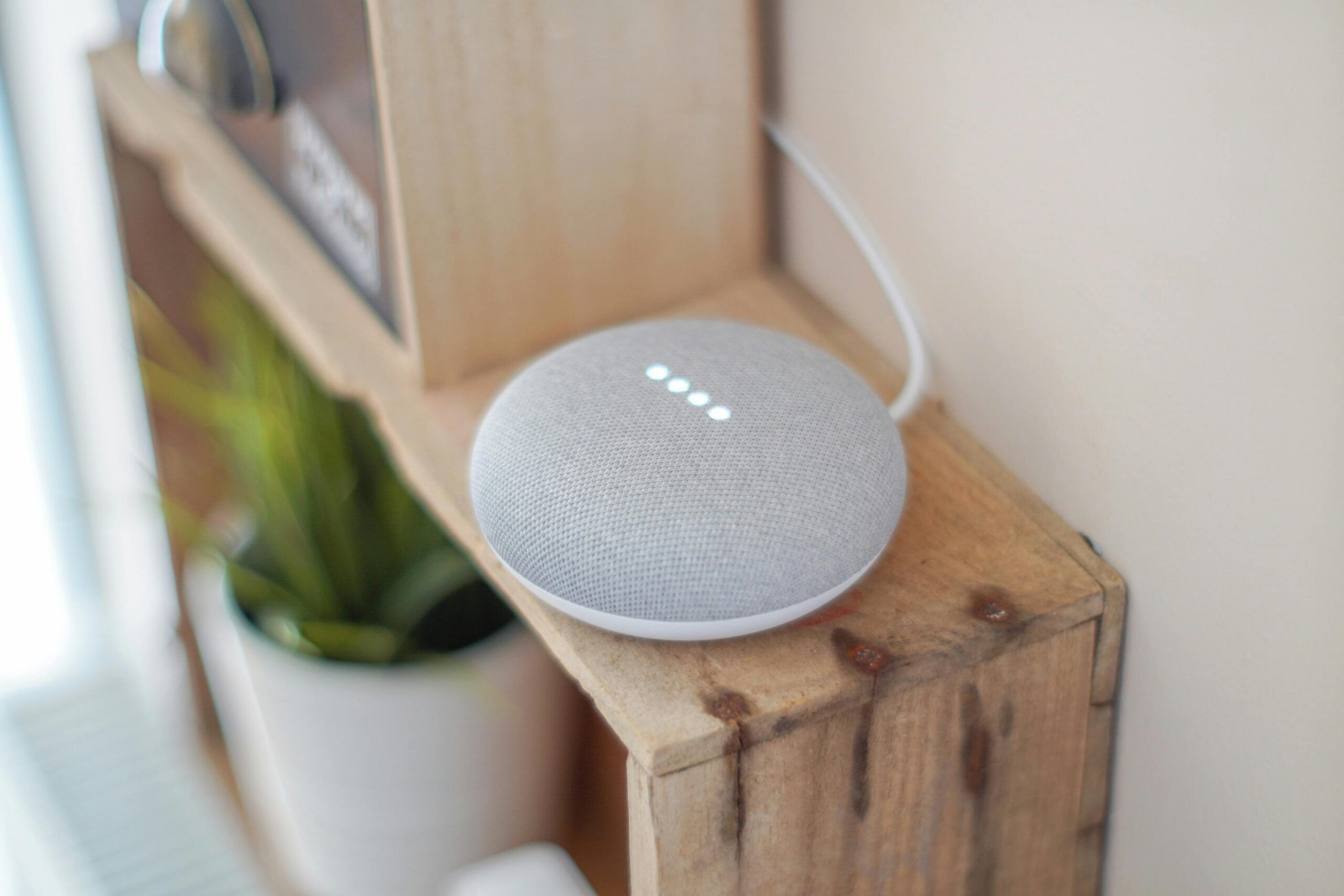
Beginning your smart home journey doesn’t require extensive technical knowledge. Most voice assistant devices are designed for simple plug-and-play setup that takes just minutes. After unboxing your device, plug it into a power outlet and download the companion app on your smartphone.
The app guides you through connecting the device to your Wi-Fi network and completing initial configuration. You’ll set your location for accurate weather and local information, connect music streaming services, and optionally create voice profiles for household members. The interface is intuitive, with clear instructions at each step.
Once basic setup is complete, you can begin adding smart home devices. Most compatible devices have a simple pairing process—enable pairing mode on the device, then use the voice assistant app to discover and add it. The app typically scans for compatible devices automatically, making the process remarkably straightforward.
🎯 Optimizing Placement for Best Performance
Where you position your voice assistant device significantly impacts its performance. Place it in a central location where you spend significant time and where voice commands are most needed. Avoid placing it too close to noise sources like televisions, speakers, or appliances that might interfere with voice recognition.
Elevation matters—positioning the device at ear level or on a shelf rather than the floor improves microphone pickup. Keep it away from walls or corners where sound can muffle. If you have a larger home, consider multiple devices strategically placed throughout different rooms for comprehensive coverage.
🔄 Advanced Automation and Routines
Once comfortable with basic commands, explore automation routines that transform your smart home from convenient to truly intelligent. Routines are sequences of actions triggered by a single command, specific time, or detected event like your arrival home.
Morning routines can gradually brighten bedroom lights to simulate sunrise, provide weather and traffic updates, start your coffee maker, and read your calendar appointments. Departure routines triggered when you leave home can turn off lights, adjust the thermostat to energy-saving mode, lock doors, and arm security systems automatically.
Conditional routines add even more intelligence. Set lights to turn on automatically only if you arrive home after sunset. Configure the thermostat to adjust differently based on current outdoor temperature. Create notification routines that alert you if doors are unlocked at bedtime or if motion is detected when you’re away.
🌐 Integration with Third-Party Services
The functionality of voice assistants extends dramatically through integration with thousands of third-party services and skills. These extensions enable capabilities far beyond built-in features, from ordering food delivery to controlling specialized smart devices to accessing niche content.
Enable skills through the companion app to add functionality like meditation guidance, sleep sounds, trivia games, recipe assistance, or workout coaching. Many popular services—from ride-sharing apps to pizza delivery to banking—offer voice assistant integration that lets you check account balances, order rides, or place food orders entirely through voice commands.
IFTTT (If This Then That) integration creates powerful cross-platform automation. Connect your voice assistant to other online services and smart devices, creating custom workflows like “save every song I request to a Spotify playlist” or “log my voice-commanded shopping list additions to a Google Sheet automatically.”
📱 Companion Apps That Extend Functionality
While voice control is the primary interaction method, companion smartphone apps provide essential management interfaces. These apps offer visual control when voice isn’t practical, detailed configuration options, and enhanced features that complement voice interaction.
Through the app, you can view and edit your shopping lists and reminders, manage connected smart home devices, create and modify routines, browse and enable third-party skills, review voice interaction history, and adjust privacy settings. The app syncs across all your devices, ensuring consistent access to your smart home ecosystem.
Visual dashboards show the status of all connected devices at a glance. Control lights, locks, thermostats, and cameras through touch interfaces when voice commands aren’t convenient. Some scenarios—like adjusting precise thermostat temperatures or reviewing security camera footage—work better through visual interfaces.
🎁 Benefits for Every Lifestyle
Voice assistants provide unique advantages for different household situations. Families benefit from shared shopping lists, coordinated calendars, and hands-free communication between rooms through drop-in features. Parents appreciate the ability to set multiple timers simultaneously while cooking or helping with homework.
Individuals with mobility challenges find voice control particularly empowering, enabling independent management of lighting, temperature, entertainment, and communication without physical interaction with switches or devices. The hands-free nature removes barriers that traditional controls present.
Busy professionals use voice assistants to maintain productivity—adding calendar appointments, setting work reminders, conducting hands-free calls, and managing smart office devices without interrupting workflow. The ability to capture thoughts and tasks instantly prevents ideas from slipping away during busy days.
🌟 The Future of Voice-Controlled Living
Voice assistant technology continues evolving rapidly, with improvements in natural language processing, contextual awareness, and predictive capabilities. Future developments promise even more seamless integration with daily life, anticipating needs before you express them and providing proactive assistance.
Emerging features include enhanced emotional intelligence that recognizes tone and adjusts responses accordingly, improved multi-language support for households that speak multiple languages, and deeper integration with health monitoring devices that can track wellness metrics and provide personalized recommendations.
The expanding ecosystem of compatible devices ensures that virtually every aspect of home life will eventually respond to voice control. From window shades to bathroom faucets to clothing care appliances, the vision of a fully voice-controlled home environment moves closer to reality with each passing year.
Embracing voice assistant technology now positions you at the forefront of this transformation, allowing you to benefit immediately while the ecosystem continues maturing. The convenience, efficiency, and accessibility these systems provide make them valuable additions to any modern home, simplifying daily tasks and freeing your time for what truly matters. Whether you’re starting with basic voice commands or building comprehensive automation routines, the power to control your environment through simple speech represents a genuine improvement in how we interact with our living spaces.
