
Anúncios
Ever wondered where your family truly comes from? Ancestry apps now make discovering your roots easier, faster, and more fascinating than ever before.
Genealogy used to require countless hours in dusty archives, handwritten letters to distant relatives, and expensive professional researchers.
Anúncios
Today’s technology has transformed this entire process into something you can do from your smartphone while sipping coffee at home.
These powerful applications combine DNA testing, historical records, artificial intelligence, and collaborative databases to paint a vivid picture of who your ancestors were, where they lived, and what their lives looked like generations ago.
Anúncios


Let’s explore how these remarkable tools work and why millions worldwide are using them to unlock their family mysteries.
📱 How Ancestry Apps Actually Work
Modern ancestry applications operate through a sophisticated combination of technologies working seamlessly together. When you first download one of these apps, you typically start by building a basic family tree with information you already know—parents, grandparents, and any relatives you can name.
The app then searches through billions of historical records including birth certificates, marriage licenses, census data, immigration documents, military records, and even newspaper archives. Advanced algorithms detect potential matches between your family members and these historical documents, suggesting connections you might want to explore.
Many apps also offer DNA testing kits that you can order directly through the platform. Once you submit your sample and receive results, the app compares your genetic markers against millions of others in its database, identifying relatives you never knew existed and providing detailed ethnicity estimates showing exactly which regions your ancestors called home.
🧬 The DNA Testing Revolution
DNA testing represents perhaps the most exciting development in genealogical research over the past decade. These tests analyze specific markers in your genetic code that reveal both your ethnic background and biological connections to other people in the database.
The process is remarkably simple. After ordering your kit through the app, you’ll receive a small box containing either a cheek swab or saliva collection tube. You provide your sample following the instructions, mail it back in the prepaid envelope, and wait approximately 6-8 weeks for results.
What you receive back is genuinely fascinating. Your ethnicity estimate breaks down your genetic heritage into specific percentages—you might discover you’re 45% British, 30% Scandinavian, 15% Western European, and 10% Indigenous American, for example. These percentages tell the story of migrations, marriages, and movements across generations.
🔍 Finding Relatives Through DNA Matches
Beyond ethnicity estimates, DNA testing connects you with biological relatives who’ve also taken the test. The app automatically identifies these matches and ranks them by relationship strength, showing estimated connections like “second cousin” or “fourth to sixth cousin.”
Many users discover siblings, cousins, or even parents and children they never knew existed through these DNA matches. Adoptees have found birth families, and people have connected with relatives across continents who share common ancestors from centuries ago.
The app facilitates communication between matches, allowing you to message others, share family trees, and collaborate on research. Some platforms even organize local meetups where DNA matches in the same geographic area can meet face-to-face.
📚 Exploring Billions of Historical Records
While DNA provides biological connections, historical records tell the actual stories of your ancestors’ lives. Leading ancestry apps maintain access to extraordinary collections of digitized documents spanning hundreds of years and dozens of countries.
These databases include census records that show where families lived, what occupations they held, and who lived in their households. Birth, marriage, and death certificates provide vital dates and locations. Immigration records reveal when ancestors arrived in new countries, which ships they traveled on, and who accompanied them.
Military records document service during wars and conflicts, often including photographs, physical descriptions, and details about battles fought. Newspapers provide obituaries, wedding announcements, business advertisements, and even accounts of criminal trials or civic achievements.
✨ Smart Hints and Automated Discoveries
One of the most helpful features in modern ancestry apps is the “hint” system. As you build your family tree, artificial intelligence continuously searches through record collections looking for documents that might match your relatives.
When the system finds a potential match, it presents a hint with the document preview. You can review the information, compare it against what you already know, and decide whether to attach it to your tree. This automated searching would be impossible to replicate manually given the sheer volume of records available.
The technology has become remarkably accurate, using names, dates, locations, and family relationships to identify genuine matches while filtering out false positives. It’s like having a professional researcher working on your family history 24 hours a day.
🌳 Building Your Interactive Family Tree
The visual family tree lies at the heart of most ancestry applications. Unlike static paper trees, digital versions grow dynamically, displaying photographs, documents, stories, and connections in beautiful, interactive formats.
You start by adding yourself, then work backward adding parents, grandparents, and great-grandparents. The app provides templates that expand automatically as you add more relatives. You can attach photos, scanned documents, audio recordings, and written stories to each person.
Many apps offer different tree views—traditional pedigree charts, fan charts, descendant trees, and relationship views showing how two people connect. You can easily navigate through generations, zoom in on specific branches, or view your entire ancestry at once.
🤝 Collaborating With Other Researchers
Family history research works best as a collaborative effort. Most apps allow you to share your tree with specific relatives who can add information, correct errors, and contribute their own memories and documents.
Some platforms feature public trees that anyone can view and learn from. While privacy controls let you keep sensitive information private, sharing what you’re comfortable with often leads to connections with distant cousins researching the same family lines.
These collaborations frequently break through research “brick walls” where progress seemed impossible. Someone on the other side of the world might have the missing piece of information that connects your lines or clarifies a long-standing family mystery.
🌍 Discovering Your Ethnic Origins
Understanding where your ancestors lived and how they moved across the globe provides context for your own identity. Ancestry apps excel at mapping these migrations through both DNA analysis and historical records.
Ethnicity estimates have grown increasingly precise as databases expand. Early versions might have simply said “European,” while current technology can distinguish between specific regions within countries—Northern Italian versus Southern Italian, or Highland Scottish versus Lowland Scottish.
Apps typically provide interactive maps showing your ethnic regions color-coded by percentage. You can explore each region, learning about its history, culture, and migration patterns. Some platforms even suggest genetic communities—specific groups your ancestors belonged to based on shared DNA patterns.
📍 Migration Patterns and Historical Context
Beyond static percentages, premium features often include migration tracking that shows how your ancestors moved over time. You might see your Irish ancestors immigrate to America during the potato famine, then migrate westward to California during the gold rush.
These visualizations connect your family history to broader historical events, helping you understand the circumstances your ancestors faced. Economic hardships, wars, religious persecution, and opportunities for land or employment all influenced where families settled.
Many apps provide historical context within the platform, offering articles and timelines about events that affected your ancestors. Learning that your great-great-grandfather fought in the Civil War gains depth when you can read about the specific battles and regiments involved.
💡 Special Features That Enhance Your Research
Beyond core genealogy functions, modern apps offer innovative features that make research more engaging and productive. Photo enhancement tools can restore and colorize old family photos automatically using artificial intelligence.
Some platforms offer surname meaning and history features, explaining the origins of family names and how they evolved over time. You might discover your surname indicates an occupation, geographic location, or physical characteristic of an ancestor centuries ago.
ThruLines technology takes DNA matches and tree information to build potential family connections automatically, suggesting how you might relate to DNA matches even when trees don’t directly connect. This speculative tool has helped countless users break through research barriers.
📱 Mobile Apps Versus Desktop Platforms
While desktop versions often offer more extensive features and easier document viewing, mobile apps provide incredible convenience for research on the go. You can photograph documents at family gatherings, quickly add information shared by elderly relatives, or research while traveling to ancestral locations.
Most platforms sync seamlessly between devices, so work done on your phone appears instantly on your computer and vice versa. The mobile experience continues improving, with many features now working just as well on smartphones as on larger screens.
Push notifications alert you to new hints, DNA matches, or messages from other researchers, keeping you engaged with your family history even during busy periods when you can’t actively research.
🎯 Choosing the Right Ancestry App
Several major platforms dominate the ancestry app market, each with distinct strengths. Your choice depends on what you value most—database size, DNA testing quality, international records, user interface, or cost.
The largest platform boasts over 30 billion historical records and the biggest DNA database, making it ideal for American and British research. Others specialize in specific regions or ethnic groups, offering deeper collections for Irish, Jewish, Italian, or Scandinavian research.
Free versions typically allow basic tree building but limit access to records and advanced features. Subscription tiers unlock full databases, with premium levels adding international records, newspaper archives, and military collections. DNA tests usually require separate purchases beyond subscription fees.
💰 Understanding Costs and Subscriptions
Ancestry research can range from completely free to several hundred dollars annually depending on your approach. Basic apps and tree-building tools often cost nothing, perfect for beginners testing their interest.
Subscription services typically range from $10 to $40 monthly depending on tier and features unlocked. International record access usually costs more than domestic-only plans. Many platforms offer frequent sales, especially around holidays, where you can purchase annual memberships at significant discounts.
DNA testing kits typically cost $60-$100, though sales sometimes drop prices to $50 or below. This one-time purchase provides permanent results, though some companies charge subscription fees to access certain DNA analysis features beyond basic ethnicity and matching.
🔒 Privacy and Security Considerations
Sharing genetic information and family details online raises legitimate privacy questions. Reputable companies employ strong encryption, secure servers, and clear privacy policies, but you should understand what you’re sharing and who can access it.
Most platforms let you control tree privacy settings, choosing between public, private, or searchable by others. You decide which information appears publicly and what remains visible only to you or selected relatives.
DNA data privacy deserves special attention. Companies typically separate your name from genetic data for research purposes, and many allow data deletion if you change your mind. However, law enforcement has occasionally used DNA databases to solve crimes through distant relatives’ DNA, raising ethical debates about informed consent.
🛡️ Protecting Sensitive Family Information
When building trees that include living people, consider their privacy preferences. Many researchers include minimal information about living relatives, waiting until people pass away before adding full details.
Be cautious about sharing family stories involving sensitive topics like adoptions, affairs, criminal activity, or mental health issues without permission from those affected. These discoveries, while historically interesting, can hurt living people if shared carelessly.
Use strong passwords, enable two-factor authentication when available, and avoid accessing accounts on public computers or unsecured networks. Your family history represents intimate personal information worth protecting carefully.
🎉 Success Stories That Inspire
Ancestry apps have facilitated countless heartwarming reunions and solved decades-old family mysteries. Adoptees have found birth parents after lifelong searches. Holocaust survivors’ descendants have connected with relatives they thought perished. Families separated by war have reunited after generations apart.
One user discovered she had a half-sister she never knew existed, leading to a beautiful relationship that enriched both their lives. Another found his biological father after 50 years, learning he came from a completely different ethnic background than he’d believed his entire life.
These stories demonstrate how genealogy research isn’t just about the past—it actively shapes present relationships and future family connections. The technology that makes these reunions possible continues improving, bringing more families together every day.
🚀 Getting Started Today
Beginning your ancestry journey requires no special skills or equipment beyond curiosity about your family history. Start by downloading a reputable app and creating a basic tree with information you already know.
Interview older relatives while they’re still available to share memories. Record these conversations if possible, capturing not just facts but voices, stories, and perspectives that disappear when generations pass. Gather any family documents, photos, or heirlooms that might provide clues.
Set realistic expectations about what you’ll discover and how quickly. Some families have well-documented histories that trace back centuries within weeks. Others present challenges requiring patience, creativity, and persistence to solve. Both journeys offer rewards and surprises along the way.
📝 Tips for Effective Research
Work backward systematically rather than jumping to distant ancestors. Establish each generation firmly with documentation before moving to the next. This prevents errors that compound as trees grow larger.
Evaluate sources critically rather than accepting every hint or suggestion automatically. Cross-reference information across multiple documents when possible. People with identical names lived in the same places at the same times—verify relationships carefully before connecting families.
Join online communities focused on genealogy research. Facebook groups, forums, and subreddits offer advice, answer questions, and provide encouragement when research becomes frustrating. Experienced researchers often help beginners navigate challenges they’ve already overcome.

🌟 The Future of Ancestral Discovery
Technology continues revolutionizing how we explore family history. Artificial intelligence increasingly automates research tasks, suggesting connections and finding records faster than ever. Machine learning improves handwriting recognition, making old documents searchable even when written in difficult scripts.
DNA science advances rapidly, with new tests providing ever-more-precise ethnicity estimates and relationship predictions. Future developments may reveal health predispositions, physical traits of ancestors, or connections to historical figures based on genetic analysis.
Virtual reality could eventually let you “visit” ancestral villages, experience historical periods your family lived through, or attend virtual reunions with DNA matches worldwide. The possibilities seem limited only by imagination and technological development.
🎁 Meaningful Ways to Share Your Discoveries
Once you’ve uncovered family history, consider creative ways to preserve and share it. Create photo books combining old family pictures with the stories you’ve discovered. Design custom wall charts showing your family tree beautifully illustrated with photos and dates.
Record video presentations sharing your research with relatives, explaining how you’re connected and what you’ve learned about shared ancestors. These become treasured family heirlooms, especially when you include your own memories and reflections.
Some researchers write family history books compiling everything discovered into narrative form. Even simple formats read by close family become priceless over time, preserving knowledge that would otherwise disappear.
🌈 Embracing the Journey of Discovery
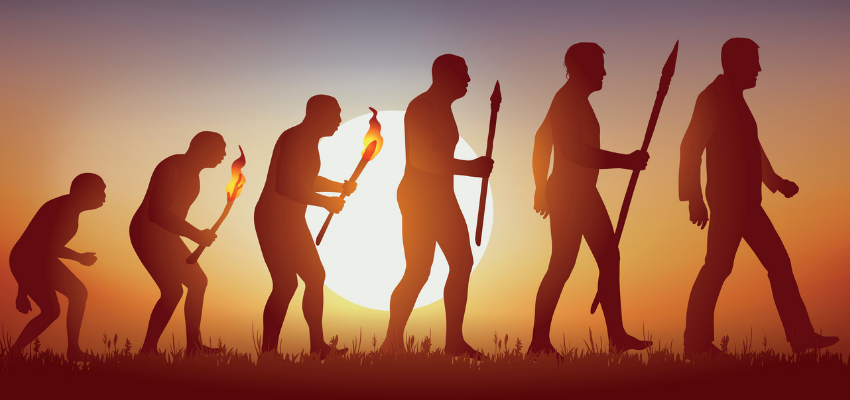
Researching your ancestry offers far more than names and dates on a chart. You’ll discover resilience in ancestors who survived unimaginable hardships, creativity in those who built new lives in unfamiliar lands, and love in families who stayed together through wars, famines, and migrations.
You might find skeletons in closets—affairs, crimes, or family secrets long buried. Approach these discoveries with compassion, remembering that ancestors were complex humans facing circumstances you may not fully understand from historical distance.
Most importantly, recognize that your family history continues being written. The connections you form, stories you preserve, and relationships you build today become the heritage future generations will research. You’re not just discovering the past—you’re actively creating family history for tomorrow.
Download an ancestry app today and take that first step into your family’s fascinating past. The stories waiting to be discovered will surprise, move, and inspire you in ways you never imagined possible. Your ancestors’ voices echo across generations—it’s time to finally hear what they have to say! 🌟
