
Anúncios
Imagine controlling your entire home entertainment system from the palm of your hand, without juggling multiple remotes or searching for lost controllers between couch cushions.
Your smartphone holds incredible potential beyond social media and messaging. By transforming it into a universal smart remote, you unlock convenience that revolutionizes how you interact with televisions, streaming devices, sound systems, and more.
Anúncios
The technology is already in your pocket—you just need to activate it.
Modern smart remote apps eliminate the frustration of traditional controllers while adding powerful features that physical remotes simply can’t match.
Anúncios
Voice commands, personalized shortcuts, and multi-device management create an experience that feels genuinely futuristic. Best of all, setup takes just minutes, and you’ll wonder how you ever lived without this convenience. 📱
Why Your Smartphone Makes the Perfect Universal Remote
Traditional remote controls have remained largely unchanged for decades. They’re easy to misplace, require constant battery replacements, and typically control only one device at a time. Your smartphone solves all these problems simultaneously while offering capabilities that dedicated remotes can’t provide.
The infrared blaster or Wi-Fi connectivity built into most modern phones enables communication with virtually any television, streaming box, or entertainment system manufactured in the past fifteen years. Unlike physical remotes that break when dropped or stop working after liquid spills, your phone is already protected and maintained as your most essential daily device.
Smart remote apps also learn your preferences over time, creating personalized shortcuts for your favorite channels, streaming services, and volume levels. This intelligent adaptation means your remote experience actually improves with use, something impossible with static physical controllers. The convenience of having one device that manages everything cannot be overstated. ✨
Setting Up Your Smartphone as an Intelligent Remote Control
Getting started requires nothing more than downloading the right app and connecting to your devices. The process is remarkably straightforward, even for those who don’t consider themselves tech-savvy. Most quality remote control apps guide you through setup with clear, visual instructions.
First, ensure your smartphone and television are connected to the same Wi-Fi network. This connection forms the foundation for wireless communication between devices. For older TVs without smart capabilities, infrared functionality allows your phone to communicate directly through light signals, just like traditional remotes.
The app will scan for available devices automatically, detecting compatible televisions, streaming boxes, soundbars, and other equipment. Select your specific brand and model from the list, and the app configures itself with the appropriate control layout. Within minutes, you’re ready to start controlling your entertainment system with intuitive touch gestures and voice commands. 🎯
Compatibility Across Brands and Device Types
One of the greatest advantages of smartphone-based remote apps is their universal compatibility. Whether you own a Samsung, LG, Sony, Vizio, or virtually any other television brand, these apps support thousands of models across all major manufacturers.
Beyond televisions, smart remote apps control streaming devices like Roku, Apple TV, Fire TV, and Chromecast. Sound systems, including soundbars and home theater receivers, integrate seamlessly. Some advanced apps even manage air conditioners, smart lights, and other IoT devices, creating a truly unified control center.
This cross-platform compatibility eliminates the need for multiple remotes cluttering your living space. Everything operates through one intuitive interface on your phone, reducing complexity while expanding control options. The days of remembering which remote operates which device are thankfully behind us.
Powerful Features That Transform Your Viewing Experience
Smart remote apps deliver functionality far beyond what traditional controllers offer. Voice control allows you to change channels, search for content, or adjust settings without lifting a finger. Simply speak your command, and your entertainment system responds instantly.
Customizable touch gestures make navigation feel natural and intuitive. Swipe to change channels, tap to pause, or use multi-finger gestures for advanced functions. These interactions feel more responsive than pressing physical buttons, creating a smoother, more enjoyable control experience.
Programmable macros automate complex sequences with a single tap. Create a “Movie Night” button that dims smart lights, turns on your TV, launches Netflix, and adjusts the soundbar to your preferred volume—all simultaneously. This level of automation simply isn’t possible with conventional remotes. 🎬
Keyboard Input for Effortless Searching
Anyone who’s tried typing search queries using an on-screen keyboard with directional buttons knows the frustration. Entering passwords or searching for specific shows becomes tedious when you’re limited to navigating letter by letter with arrow keys.
Your smartphone solves this problem elegantly. The remote app provides a full QWERTY keyboard interface, letting you type searches, passwords, and URLs as quickly as you would any text message. This feature alone saves countless hours over time and eliminates one of the most annoying aspects of smart TV navigation.
Some apps even support voice-to-text input, combining the speed of speech with the precision of typed queries. Whether you’re searching Netflix for a specific title or entering credentials for a streaming service, the process becomes effortless and fast. 🔤
Managing Multiple Devices From a Single Interface
Modern homes often contain numerous entertainment devices across different rooms. Traditional remotes require you to carry separate controllers or remember which remote operates which television. Smart remote apps eliminate this confusion entirely.
Create profiles for each room or device group within the app. Switch between controlling your living room TV, bedroom television, or basement home theater with a simple tap. The app remembers each device’s specific settings and control layout, providing instant access without reconfiguration.
This multi-device management proves especially valuable for families. Parents can control what children watch in their rooms, adjust volume levels remotely, or turn off devices without leaving the kitchen. The centralized control creates both convenience and practical parental oversight. 👨👩👧👦
Screen Mirroring and Media Casting Capabilities
Beyond traditional remote control functions, many apps enable screen mirroring and media casting. Share photos from your phone directly to your television during family gatherings. Stream videos from your device to the big screen without complicated cable connections.
This casting functionality works seamlessly with photos, videos, music, and even some apps. Presentation capabilities make these remote apps valuable for professional settings too—connect to conference room displays and share content wirelessly during meetings.
The integration between your phone’s media library and your television creates a unified ecosystem where content flows freely between devices. This flexibility enhances how you consume and share media throughout your home. 📺
Enhanced Convenience for Daily Living
The practical benefits of smartphone-based remote control extend far beyond entertainment. Consider the simple act of turning on your TV when entering a room—your phone is already in your hand or pocket, immediately accessible. No more searching for remotes or walking to the television to press power buttons.
Late-night viewing becomes more considerate when you can lower volume with precision using your phone’s fine touch controls. Adjust brightness and audio settings without disturbing sleeping family members. The backlit phone screen also makes nighttime operation easier than fumbling with physical button layouts in the dark.
For individuals with mobility limitations or accessibility needs, smartphone remotes offer significant advantages. Larger, customizable button layouts accommodate visual impairments. Voice control eliminates the need for fine motor control. These features make entertainment more accessible to everyone. ♿
Never Lose Your Remote Again
Perhaps the most underrated benefit is the impossibility of losing your primary remote control. Your smartphone is already your most carefully tracked possession—you notice immediately when it’s missing. Gone are the days of couch cushion excavations or wondering where the remote disappeared.
This reliability factor shouldn’t be underestimated. How many times have you postponed watching something because finding the remote seemed like too much effort? With your phone serving as the permanent controller, that friction disappears completely.
Even if you prefer keeping a physical remote for certain situations, the smartphone app serves as an always-available backup. This redundancy ensures you’re never without control over your entertainment system, regardless of circumstances. 🔍
Security and Privacy Considerations
Reputable smart remote apps prioritize user privacy and security. They require only necessary permissions—typically network access to communicate with devices and, optionally, microphone access for voice commands. Trustworthy apps never request access to contacts, messages, or other sensitive personal data.
Communication between your phone and devices occurs locally within your home network, not through external servers. This local connection protects your viewing habits and usage patterns from third-party tracking. Always download remote apps from official app stores and check developer credentials before installing.
Regular updates from reliable developers ensure ongoing security improvements and compatibility with new devices. Apps with millions of downloads and consistent update schedules demonstrate commitment to user safety and product quality. Research before downloading to ensure you’re choosing a trustworthy solution. 🔒
Battery Life and Resource Management
A common concern about using smartphones as remotes involves battery consumption. Modern remote control apps are remarkably efficient, using minimal resources when actively controlling devices. When running in the background, they consume virtually no battery power.
The infrared functionality used by many apps requires no significant energy—less than illuminating your screen briefly. Wi-Fi-based control uses existing network connections without draining battery noticeably. In practical terms, using your phone as a remote throughout an evening of watching television might consume 1-2% of battery life.
This efficiency means you won’t need to charge your phone more frequently simply because you’re using it as a remote. The convenience gained far outweighs any minimal battery impact, especially considering most people charge their phones nightly regardless of usage patterns. 🔋
Optimizing Performance for Best Results
For optimal performance, keep your remote control app updated to the latest version. Developers continuously improve compatibility, fix bugs, and add support for new devices. Enable automatic updates to ensure you always have the most reliable version.
Maintain a strong Wi-Fi connection between your phone and controlled devices. Position your router centrally in your home to eliminate dead zones that might cause response delays. For infrared-based control, ensure clear line-of-sight between your phone and device sensors.
Close unnecessary background apps if you notice any lag in remote response times. While smart remote apps are lightweight, overall phone performance affects responsiveness. Periodic phone restarts can also resolve any temporary glitches affecting app performance. ⚡
Choosing the Right Remote Control App
Selecting the best remote app depends on your specific devices and desired features. Apps specializing in certain brands may offer deeper integration with those manufacturers’ smart features. Universal remote apps provide broader compatibility across multiple device types and brands.
Read user reviews focusing on comments about your specific television or device model. Compatibility can vary, and real-world feedback provides valuable insight into which apps work best with your equipment. Look for apps with responsive developer support that addresses user issues promptly.
Consider whether you prefer free apps with advertisements or paid versions offering ad-free experiences with premium features. Many quality remote apps offer both options, letting you try the free version before deciding whether additional features justify a small purchase price. The investment typically pays for itself quickly through enhanced convenience. 💰
Top Features to Look For
When evaluating remote control apps, prioritize these essential features. Voice command support enables hands-free control and natural interaction. Customizable button layouts let you arrange controls according to your preferences and usage patterns.
Multi-device management allows control of all your entertainment equipment through one interface. Widget support lets you add quick controls to your phone’s home screen for instant access without opening the full app.
Macro creation enables automation of complex command sequences. Smart home integration connects your entertainment controls with lights, thermostats, and other connected devices for comprehensive home automation. Apps offering these capabilities provide the most value and long-term utility. 🌟
Troubleshooting Common Connection Issues
Occasionally, you might experience connection difficulties between your phone and devices. Most issues resolve quickly with simple troubleshooting steps. First, verify both your phone and target device connect to the same Wi-Fi network. Devices on different networks cannot communicate.
Restart your phone, television, and Wi-Fi router if connection problems persist. This simple step resolves most temporary glitches by refreshing network connections. Ensure your TV’s firmware is updated—outdated software can cause compatibility issues with control apps.
For infrared control problems, check that your phone actually includes an IR blaster. Not all smartphone models include this hardware. If your phone lacks IR capability, Wi-Fi-based control is your only option, which requires smart TV functionality or a compatible streaming device. 🔧
The Future of Home Entertainment Control
Smart remote technology continues evolving rapidly. Artificial intelligence integration will enable remotes that predict your preferences, automatically suggesting content based on viewing history and time of day. Gesture control using phone cameras may soon allow controlling devices through hand movements without touching your phone.
Integration with virtual assistants like Alexa, Google Assistant, and Siri will deepen, creating seamless voice control across entire smart home ecosystems. Haptic feedback improvements will make touchscreen controls feel more tactile and satisfying, bridging the gap between physical and virtual buttons.
As 5G networks become universal, remote control latency will disappear entirely, creating instantaneous response times indistinguishable from physical remotes. The line between smartphone and dedicated controller will blur further, making separate remotes increasingly obsolete. 🚀

Making the Switch Today
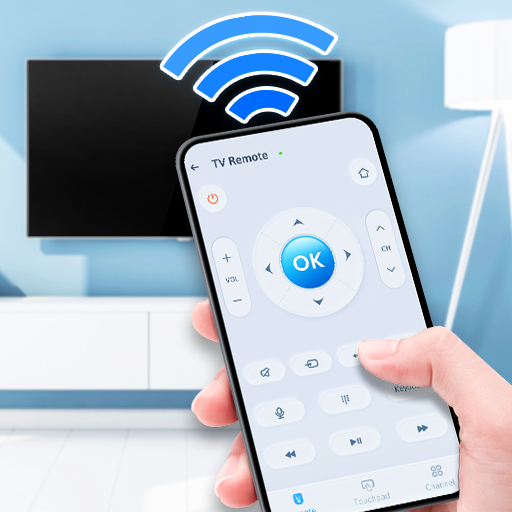
Transforming your smartphone into an intelligent universal remote requires minimal effort with substantial rewards. The convenience of consolidated device control, enhanced features, and elimination of lost remotes creates immediate quality-of-life improvements.
Download a highly-rated remote control app today and complete the simple setup process. Within minutes, you’ll experience firsthand how this technology simplifies daily entertainment routines. The initial five-minute investment saves countless hours of frustration over time.
Your smartphone already accompanies you everywhere throughout your home. Leveraging its potential as a comprehensive entertainment control center just makes sense. Join millions of users who’ve already made this practical upgrade and discovered a better way to manage their viewing experience. 📲
Embracing Simplified Smart Living
The transformation from multiple scattered remotes to unified smartphone control represents more than technological convenience—it exemplifies how smart solutions reduce complexity in our daily lives. Every simplified interaction creates space for what truly matters, whether that’s enjoying content with family or simply relaxing without technical frustration.
As our homes become increasingly connected, the smartphone naturally evolves into the central control hub for multiple systems. Entertainment control is just the beginning. This same device manages lighting, climate, security, and more, creating an integrated living environment responsive to your needs.
The question isn’t whether to adopt smartphone-based remote control, but rather why wait any longer. The technology exists today, proven by millions of satisfied users worldwide. Take the simple step of downloading a remote control app and experience immediately how such a small change creates surprisingly significant improvements in daily convenience and comfort. Your future self will thank you for making this practical upgrade. 🏡
