
Anúncios
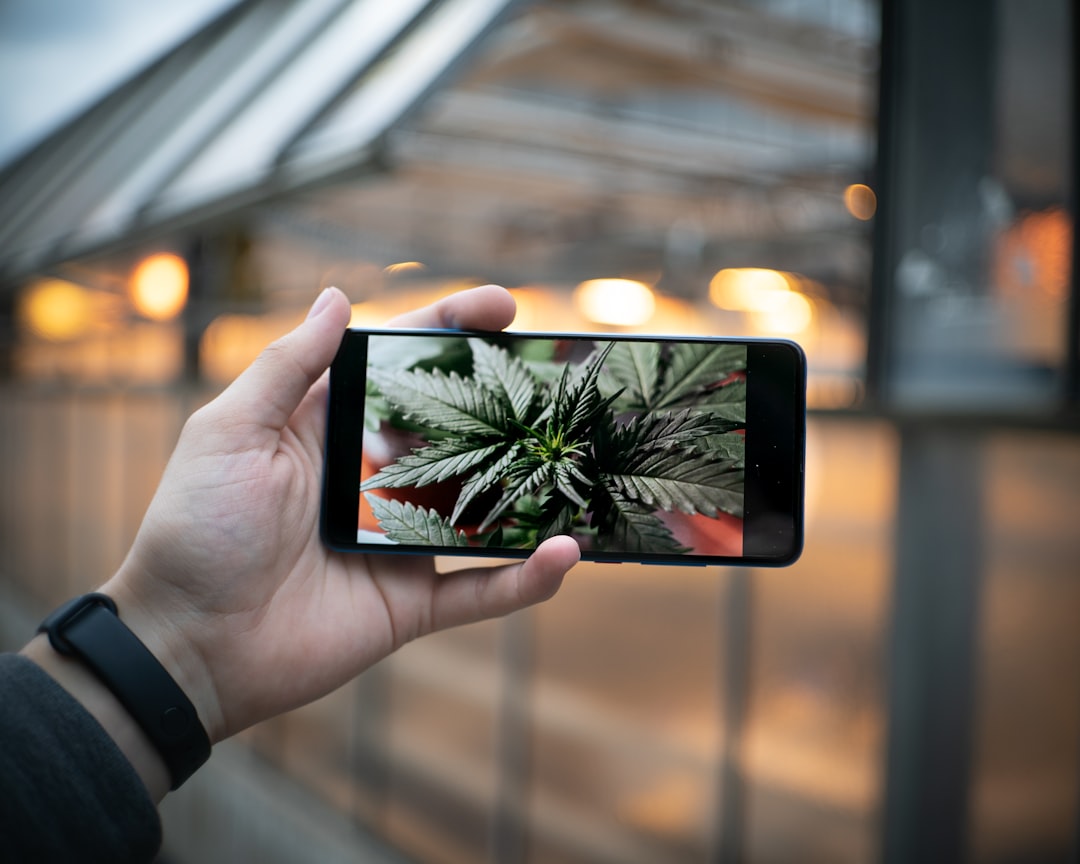
Ever looked at a beautiful flower or mysterious plant and wished you could instantly know its name? Your smartphone can now become your personal botanist, unlocking the secrets of the plant world with just a quick photo.
Gone are the days when identifying plants required carrying heavy field guides or having years of botanical knowledge. Today’s technology has revolutionized how we interact with nature, making plant identification accessible to everyone from curious gardeners to professional botanists.
Whether you’re hiking through unfamiliar terrain, shopping at a nursery, or simply curious about the greenery in your neighborhood, smartphone plant identification apps have become invaluable tools. They combine artificial intelligence, image recognition, and vast botanical databases to deliver accurate results within seconds. 🌿
Understanding How Plant Identification Apps Work
Plant identification apps rely on sophisticated artificial intelligence and machine learning algorithms. When you snap a photo of a plant, the app analyzes various visual characteristics including leaf shape, flower structure, bark texture, and overall growth patterns.
These applications compare your image against millions of plant photos in their databases. The technology has become remarkably accurate, with leading apps achieving identification success rates above 90% for common species. The systems continuously learn and improve as more users contribute photos and verifications.
Most apps use neural networks trained on extensive botanical collections from universities, herbaria, and crowdsourced data from users worldwide. This collective intelligence approach means the more people use these apps, the smarter they become at recognizing diverse plant species across different regions and growth stages.


Choosing the Right Plant Identification App for Your Needs 📱
The app marketplace offers numerous plant identification options, each with unique features and specializations. PlantNet stands out as a citizen science project developed by French research organizations, focusing on wild plants and offering completely free access to its extensive database.
PictureThis excels at ornamental and garden plants, providing detailed care instructions alongside identification. iNaturalist takes a broader approach, identifying all living organisms while connecting you with a community of naturalists who can verify and discuss your findings.
Consider what matters most to you: database size, regional coverage, additional features like plant care advice, or community interaction. Some apps specialize in specific plant categories like trees, succulents, or mushrooms, while others attempt comprehensive coverage of the entire plant kingdom.
Free vs Premium Features: What You Actually Need
Many plant identification apps operate on a freemium model. Basic identification features are often free, while premium subscriptions unlock additional capabilities like unlimited identifications, expert botanist consultations, personalized plant care reminders, and disease diagnosis.
For casual users who occasionally want to identify plants during walks or travels, free versions typically provide sufficient functionality. Serious gardeners, landscapers, or botany enthusiasts might benefit from premium features that offer deeper insights and ongoing plant care support.

Mastering the Art of Taking Identification Photos
The quality of your identification results depends heavily on photo quality and technique. Clear, well-lit images focusing on distinctive plant features yield significantly better results than blurry, distant shots.
Natural daylight works best for plant photography. Avoid harsh midday sun that creates deep shadows, and skip the flash which can wash out important color details. Overcast days actually provide ideal even lighting for capturing plant features accurately.
Get close enough to fill the frame with your subject, but maintain focus. Most apps analyze specific plant parts, so knowing what to photograph makes a tremendous difference in identification accuracy.
What Plant Parts to Photograph for Best Results 🌸
Flowers provide some of the most distinctive identification features. Capture them from multiple angles: straight on to show petal arrangement, from the side to reveal depth and shape, and close-ups of the center to display reproductive structures.
Leaves offer crucial identification clues. Photograph a single leaf clearly showing its shape, edge pattern (smooth, toothed, or lobed), and vein structure. If possible, also capture how leaves attach to the stem and their overall arrangement on the branch.
For trees and woody plants, bark texture becomes important. Take close-up shots showing the bark pattern clearly, and step back for photos showing the overall tree shape, branching pattern, and growth habit.
Fruits and seed pods provide excellent identification markers. Document their size relative to something familiar, their color, texture, and how they attach to the plant. Even dried or developing fruits offer valuable identification information.
Maximizing Accuracy: Tips and Techniques
Multiple photos from different angles dramatically improve identification accuracy. Rather than relying on a single image, capture the plant from various perspectives showing different features. Most apps allow uploading multiple photos for a single identification request.
Context matters more than you might think. Including a photo showing the plant’s overall shape, size, and growing environment helps narrow down possibilities, especially when dealing with similar-looking species.
Timing your identification attempts strategically increases success rates. Plants displaying flowers or fruits are easier to identify than those in purely vegetative states. If possible, return to photograph a plant during different seasons to capture its full range of characteristics.
Common Pitfalls to Avoid When Using Plant ID Apps
Extreme close-ups that show only a tiny portion of a leaf or petal often confuse identification algorithms. While detail is valuable, the app needs enough context to recognize overall patterns and structures.
Photographing multiple plants in a single frame creates confusion. The app cannot determine which plant you want identified when several species appear together. Isolate your subject or use your finger to gently hold back surrounding vegetation.
Poor lighting conditions lead to frustrating misidentifications. Very dark, backlit, or flash-washed photos hide the subtle color variations and structural details that algorithms rely on for accurate species determination.
Beyond Identification: Additional App Features Worth Exploring 🔍
Modern plant apps offer far more than simple name identification. Many include comprehensive plant care databases providing watering schedules, sunlight requirements, soil preferences, and seasonal maintenance tips tailored to your specific climate zone.
Disease and pest diagnosis features help gardeners identify problems early. By photographing affected leaves or stems, you can determine whether yellowing indicates nutrient deficiency, fungal infection, or pest damage, along with receiving treatment recommendations.
Social features connect you with fellow plant enthusiasts worldwide. Share your findings, ask questions, learn from experienced gardeners, and contribute to citizen science projects that help researchers track plant distribution and phenology patterns.
Contributing to Botanical Science Through Your Smartphone
Your plant identifications can contribute to important scientific research. Apps like PlantNet and iNaturalist function as citizen science platforms where verified observations become valuable data for botanical studies, conservation efforts, and biodiversity monitoring.
Researchers use aggregated data to track invasive species spread, document native plant ranges, study climate change impacts on flowering times, and identify areas requiring conservation attention. Your casual plant photo might help protect endangered species or detect concerning ecosystem changes.
Geographic data attached to your observations creates distribution maps showing where specific plants grow. This information helps scientists understand habitat preferences, predict future ranges under changing conditions, and prioritize conservation resources effectively.
Building Your Personal Plant Knowledge Library 📚
Most apps include collection features allowing you to save identified plants into personalized digital field guides. Organize your discoveries by location, season, or category, creating a botanical journal documenting your nature experiences.
Revisit your saved identifications to reinforce learning. The repetition of seeing the same plant multiple times, in different seasons and settings, builds genuine botanical knowledge that eventually allows you to recognize common species without technological assistance.
Add notes to your saved plants recording details like where you found them, what caught your attention, associated wildlife, or personal memories. These annotations transform simple identifications into meaningful nature connections.
Handling Uncertain or Incorrect Identifications
No app achieves 100% accuracy. When receiving identification results, pay attention to confidence scores. Results below 70% confidence warrant additional verification through multiple apps, botanical references, or expert consultation.
Cross-reference uncertain identifications using multiple applications. Different apps use different algorithms and databases, so comparing results from PlantNet, PictureThis, and iNaturalist provides a more reliable consensus identification.
Regional plant guides and botanical websites offer valuable verification resources. Once you have a potential identification, research that species to confirm your plant matches the described characteristics, native range, and typical habitat.
When to Seek Expert Help
Some plant groups remain challenging even for sophisticated apps. Grasses, sedges, and similar-looking species within the same genus often require microscopic examination of technical features beyond smartphone camera capabilities.
Rare or unusual species may not exist in app databases, especially if you’re exploring remote regions or encountering uncommonly cultivated ornamentals. Local botanical gardens, university extension services, and native plant societies can provide expert identification assistance.
Potentially toxic or edible plant identifications require absolute certainty. Never consume wild plants based solely on app identification. Foraging safety demands expert verification and extensive personal knowledge before eating any wild plant.
Privacy and Data Considerations When Using Plant Apps 🔒
Plant identification apps collect location data, photos, and usage patterns. Review privacy policies to understand how your information is stored, shared, and used. Some apps sell data to advertisers or share observations publicly by default.
Most apps allow adjusting privacy settings to control whether your observations appear publicly and how precisely your location is shared. If photographing plants on private property or sensitive ecological areas, consider obscuring exact coordinates.
Photo metadata contains surprisingly detailed information including precise GPS coordinates, time stamps, and device information. Be mindful of this when photographing plants in your private garden or rare species in vulnerable locations that might attract poachers.
Expanding Your Skills: From Apps to Field Expertise 🎯
While apps provide instant gratification, developing genuine plant identification skills creates deeper nature connections. Use app identifications as starting points for learning botanical terminology, plant families, and key identification characteristics.
Study plant family traits that unite related species. Once you recognize that plants in the mint family typically have square stems, opposite leaves, and aromatic foliage, you can narrow down possibilities before even opening an app.
Practice sketching plants you encounter, even crudely. The act of drawing forces careful observation of details you might otherwise overlook. This attention to structure, proportion, and pattern develops the observational skills that separate casual identifiers from knowledgeable naturalists.
Seasonal Strategies for Year-Round Plant Identification
Spring offers abundant flowers making identification easier, but winter presents unique opportunities. Dormant deciduous trees reveal bark patterns, branching structures, and bud arrangements that remain hidden under summer foliage.
Learn to recognize plants by their overall form and silhouette. The distinctive shape of an oak versus an elm remains recognizable even without leaves. Seedpods, dried flower heads, and evergreen foliage provide winter identification features.
Document the same plants across multiple seasons, creating a complete picture of their annual cycle. Understanding how a plant looks in spring bloom, summer fruit, fall color, and winter dormancy builds comprehensive identification confidence.
Connecting Technology With Traditional Botanical Knowledge 🌱
Smartphone apps complement rather than replace traditional field guides and botanical keys. The best approach combines technological convenience with time-tested identification methodologies that develop deeper understanding.
Traditional dichotomous keys walk you through systematic yes-or-no questions about plant characteristics, teaching you what features matter for identification. This methodical process builds knowledge that apps alone cannot provide.
Local flora guides tailored to your specific region offer contextualized information about native plants, invasive species concerns, and ecological relationships. This regional focus often proves more relevant than global apps covering plants you’ll never encounter.

Making Plant Identification a Meaningful Practice
Transform casual plant identification into mindful nature connection. Rather than quickly snapping photos and moving on, spend time observing each plant fully—its habitat, associated species, insects visiting flowers, and role in the larger ecosystem.
Keep a nature journal combining app identifications with personal observations, sketches, and reflections. This practice deepens your relationship with local flora and creates a meaningful record of your botanical journey.
Share your knowledge with others, especially younger generations. Teaching children to use plant identification apps opens doors to nature curiosity, environmental awareness, and scientific thinking that benefits them throughout life.
Your smartphone has become a powerful tool for unlocking botanical mysteries and connecting with the natural world. By mastering plant identification apps and combining technology with careful observation, you transform every walk into an opportunity for discovery and learning. The plant kingdom awaits your exploration—one photograph at a time. 🌿
