
Anúncios
Learning guitar has never been more accessible, and online platforms now offer high-quality lessons that fit any schedule or budget.


Whether you’re a complete beginner or someone who picked up the instrument years ago and wants to refresh your skills, digital learning has transformed how we approach music education. Gone are the days when you needed expensive in-person lessons or rigid class schedules.
The flexibility of online guitar instruction allows you to practice at 2 AM in your pajamas or during lunch breaks, all while receiving structured guidance from experienced instructors. This modern approach combines the best of traditional teaching methods with cutting-edge technology that tracks your progress and adapts to your learning pace.
🎸 Why Online Guitar Lessons Work Better Than You Think
Traditional guitar lessons typically cost between $30-60 per hour, and you’re locked into weekly appointments. Online platforms, by contrast, offer unlimited access for a fraction of that cost—usually $10-30 monthly. That’s roughly the price of a single in-person session for an entire month of learning.
The real advantage isn’t just financial. Digital platforms use interactive technology that listens to your playing in real-time, providing instant feedback on timing, pitch, and rhythm accuracy. This immediate correction loop accelerates learning in ways that weekly lessons simply can’t match.
Studies from Berklee College of Music show that students who practice 20 minutes daily progress faster than those doing hour-long sessions twice weekly. Online learning naturally encourages this daily habit because the barrier to entry is so low—just grab your guitar and open your device.
The Technology Behind Modern Guitar Education 📱
Modern apps use sophisticated audio recognition algorithms originally developed for professional music production. When you play a chord or note, the software analyzes:
- Pitch accuracy – whether you’re hitting the correct notes
- Timing precision – if you’re staying in rhythm
- Technique quality – finger placement and strumming patterns
- Progress metrics – tracking improvement over days and weeks
This level of detailed analysis was only available to professional musicians with expensive studio equipment just a decade ago. Now it fits in your pocket and costs less than a pizza.
🎯 Choosing the Right Online Platform for Your Goals
Not all guitar learning platforms are created equal. The best choice depends on your current skill level, musical preferences, and learning style. Here’s a breakdown of what to look for:
| Feature | Beginners | Intermediate Players | Advanced Students |
|---|---|---|---|
| Lesson Structure | Step-by-step basics | Genre-specific techniques | Music theory & improvisation |
| Song Library | Simple 3-4 chord songs | Popular hits with varied difficulty | Complex arrangements & solos |
| Feedback System | Visual guides & slow-motion | Real-time accuracy tracking | Detailed performance analytics |
| Practice Tools | Chord diagrams & metronome | Loop functions & speed controls | Backing tracks & jam sessions |
The most effective platforms offer adaptive learning paths that adjust difficulty based on your performance. If you’re struggling with barre chords, the system provides additional exercises before moving forward. If you’re breezing through lessons, it accelerates your curriculum.
Interactive Features That Actually Matter ✨
Fancy graphics won’t teach you guitar—practical features will. Look for platforms that include:
Video lessons with multiple camera angles showing both the fretboard and the instructor’s hand positioning. This eliminates guesswork about finger placement, especially for complex chord shapes.
Slowdown controls that let you practice difficult passages at 50% or 75% speed without changing the pitch. This is essential for building muscle memory in challenging sections.
Loop functionality to repeat specific measures until you nail them. Professional musicians use this technique constantly, and it’s a game-changer for mastering solos and intricate rhythms.
Play-along tracks with adjustable volume mixing, so you can turn down the guitar track as you improve and eventually play the part entirely yourself.

🚀 Building Your Practice Routine From Day One
The difference between people who stick with guitar and those who give up after three months usually comes down to one thing: practice structure. Random noodling feels productive but rarely builds skills.
A solid 30-minute practice session should break down like this:
- 5 minutes: Warm-up exercises (chromatic scales, finger stretches)
- 10 minutes: Technical skills (chord transitions, strumming patterns)
- 10 minutes: Learning new material (song sections, theory concepts)
- 5 minutes: Review previous lessons (play songs you’ve learned)
This structure ensures you’re always moving forward while reinforcing fundamentals. Online platforms excel at this because they can automatically generate personalized practice plans based on your weak points.
Tracking Meaningful Progress Metrics 📊
Digital platforms provide data that traditional lessons can’t. Pay attention to these metrics:
Accuracy percentage on songs and exercises. Beginners typically start around 60-70% and should aim for consistent 90%+ scores before moving to harder material.
Practice streaks showing consecutive days of playing. Research indicates that maintaining a 30-day streak creates lasting habit formation.
Skills mastered versus skills in progress. A healthy ratio is roughly 70% mastered to 30% learning—enough challenge without overwhelming frustration.
Time spent per technique reveals whether you’re avoiding difficult skills. If you’ve logged 10 hours on open chords but only 20 minutes on barre chords, you know where to focus next.
🎼 Mastering Music Theory Without the Boring Textbooks
Many guitarists avoid theory, thinking it’s only for classical musicians or jazz snobs. That’s a costly mistake. Understanding even basic theory unlocks the fretboard and makes learning new songs 10x faster.
Online platforms gamify theory education, turning abstract concepts into interactive challenges. Instead of memorizing circle-of-fifths diagrams, you play games that build the same knowledge through muscle memory and pattern recognition.
Start with these foundational concepts that immediately improve your playing:
The major scale pattern – Learn this in one position, and you can play in any key by moving up or down the fretboard. Most online courses teach this within the first month.
Chord construction – Understanding that a major chord is the 1st, 3rd, and 5th notes of a scale lets you build any chord without memorization.
The Nashville Number System – This lets you transpose songs instantly to different keys, essential for playing with singers or other musicians.
Common progressions – The I-IV-V, I-V-vi-IV, and ii-V-I patterns appear in thousands of songs across all genres.
Applying Theory to Real Songs 🎵
The best online platforms don’t teach theory in isolation—they integrate it directly into song lessons. When you’re learning “Wonderwall” by Oasis, the app explains why those specific chords work together and how you could substitute alternatives.
This contextual learning sticks far better than abstract exercises. Your brain connects theory concepts to actual music you want to play, creating stronger neural pathways.
After three months of integrated theory learning, most students can figure out simple songs by ear and make educated guesses about chord progressions just by listening—a skill that seemed impossible when they started.
🎤 Genre-Specific Techniques Worth Your Time
Once you’ve got basic chords and strumming down (usually 2-3 months of consistent practice), you’ll want to specialize. Online platforms shine here because they offer depth in multiple genres that no single instructor could match.
Rock & Blues Foundation 🎸
Power chords, pentatonic scales, and string bending form the core of rock guitar. The minor pentatonic scale alone unlocks thousands of classic rock solos from Led Zeppelin to The Black Keys.
Blues techniques like vibrato, hammer-ons, and pull-offs add expressiveness that separates mechanical playing from soulful performance. Online lessons break these down with slow-motion video and practice tracks in different keys.
Fingerstyle Patterns for Folk & Indie 🌿
Artists like Bon Iver, Fleet Foxes, and Nick Drake use intricate fingerpicking that creates fuller, more textured sound than strumming. This technique requires independent finger control but isn’t as hard as it looks.
Start with basic Travis picking (alternating bass notes with melody on higher strings), then progress to more complex patterns. Online platforms often include split-screen views showing exactly which fingers hit which strings.
Jazz Chord Voicings & Extensions 🎹
Jazz guitar focuses on complex chord shapes—major 7ths, minor 9ths, diminished chords—that add sophistication to any genre. These voicings appear in R&B, neo-soul, and modern indie music too.
The moveable chord shapes online courses teach let you play hundreds of chord variations once you understand the patterns. This opens up harmonic possibilities that keep intermediate players engaged for years.
🔧 Equipment Basics for Online Learning Success
You don’t need expensive gear to start, but smart choices make learning easier and more enjoyable. Here’s what actually matters:
The guitar itself – A playable beginner instrument costs $150-300. Avoid the $50 toy guitars that won’t stay in tune. Acoustic or electric both work; choose based on music you want to play.
Tuner app or clip-on tuner – Playing out of tune trains your ear incorrectly. Most online platforms include built-in tuners, but a dedicated clip-on ($10-15) works better in noisy environments.
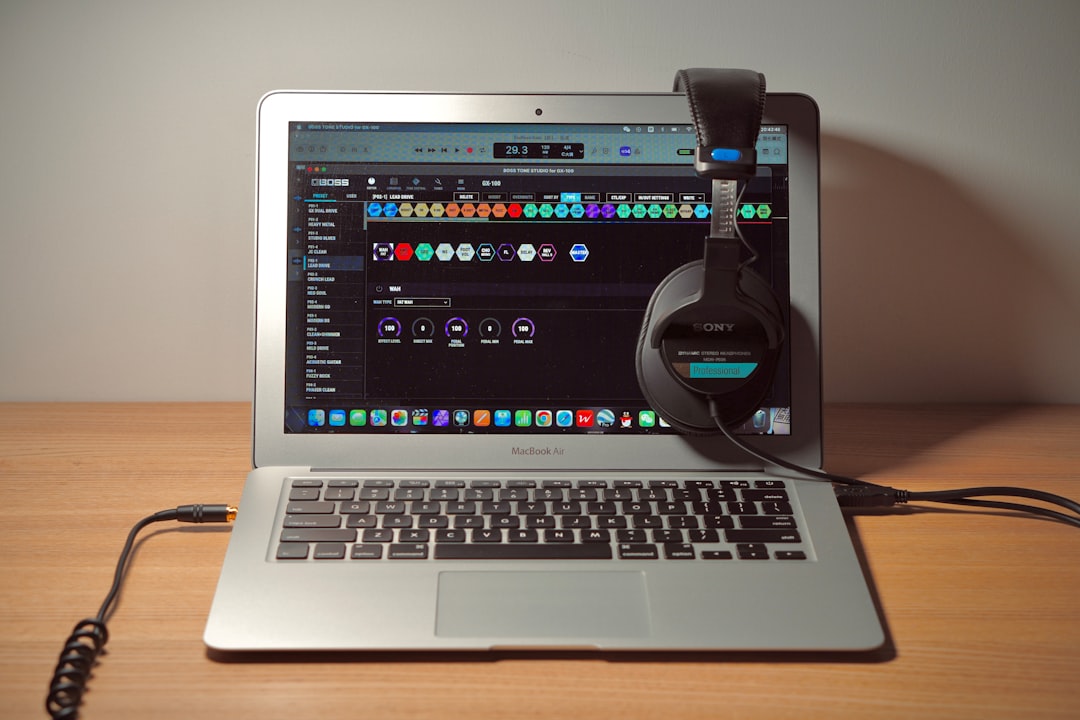
Decent headphones – For electric guitar with amp simulators or backing tracks, headphones let you practice anytime without disturbing others. Studio-quality isn’t necessary; comfortable over-ear headphones around $30-50 work great.
Guitar stand – Sounds trivial, but keeping your guitar visible and accessible dramatically increases practice frequency. Guitars in cases get played 50% less often.
Smartphone or tablet mount – Watching lessons on a device propped against a water bottle is frustrating. A simple mount ($15) keeps your screen at eye level with hands free for playing.
Optional Upgrades That Make a Difference 💡
After 3-6 months, consider these additions:
Audio interface ($80-150) – Connects your electric guitar to your computer/tablet with lower latency than standard inputs, essential for real-time feedback accuracy.
Capo ($10-20) – Lets you play in different keys using the same chord shapes, expanding your repertoire without learning new voicings.
Quality cables – Cheap cables add noise and fail frequently. One good cable ($15-25) outlasts five cheap ones.
🧠 Overcoming Common Plateaus and Frustrations
Every guitarist hits walls where progress seems to stall. Recognizing these patterns helps you push through instead of quitting.
The 6-week plateau happens when initial excitement fades and muscle memory hasn’t fully developed. Your fingers hurt, chord changes feel clumsy, and songs still sound rough. This is normal. Push through another month, and suddenly things click.
The barre chord barrier stops many players around month 3-4. These full-finger chords require hand strength that only develops through persistent practice. Use the 70/30 rule: 70% time on easier material you enjoy, 30% on challenging barre chord exercises.
The speed limit frustrates intermediate players who can play songs slowly but can’t match recording tempo. The solution isn’t playing faster—it’s playing perfectly at slower speeds until muscle memory automates the movements.
Mental Strategies for Consistent Progress 🎯
Set micro-goals instead of vague aspirations. “Learn the intro to ‘Stairway to Heaven’ by Friday” beats “get better at guitar.” Online platforms excel at breaking big goals into achievable daily targets.
Record yourself weekly playing the same piece. The gradual improvement isn’t noticeable day-to-day but becomes obvious comparing week 1 to week 8.
Join online communities connected to your learning platform. Seeing others struggle with the same challenges normalizes the difficulty and provides encouragement.
Celebrate small wins like nailing a smooth chord transition or maintaining steady rhythm through an entire song. These accumulate into major skill development.
🌟 Advanced Features That Separate Great Platforms from Good Ones
As you progress past beginner stage, certain features become increasingly valuable:
Customizable learning paths let you skip material you already know and focus on gaps in your knowledge. If you can already read basic tablature, you shouldn’t waste time on intro lessons.
Multi-track recording capabilities allow you to layer rhythm, lead, and bass parts, developing arrangement skills alongside playing technique.
Live masterclasses or Q&A sessions with instructors add the human element that pure software can’t replicate. Even monthly live events create accountability and community.
Offline mode downloads mean you can practice during commutes, flights, or anywhere without internet access. This flexibility maximizes practice opportunities.
Progress syncing across devices lets you watch lessons on a tablet but track practice on your phone, with everything updating automatically.
💪 Staying Motivated for the Long Haul
Guitar mastery takes years, but enjoyment starts immediately if you approach it correctly. The key is balancing structured learning with pure fun.
Dedicate 80% of practice time to platform curriculum and technique building. Use the remaining 20% to mess around with songs you love, even if they’re above your skill level. This play time prevents burnout and reminds you why you started.
Set a one-year milestone goal—performing a full song for friends, posting a cover online, or jamming with other musicians. Having a concrete target transforms abstract “improvement” into tangible achievement.
Remember that every professional guitarist started exactly where you are now, fumbling through basic chords and wondering if their fingers would ever cooperate. The only difference between them and people who quit is consistent practice over time.
Online platforms remove excuses. No scheduling conflicts, no geographic limitations, no expensive commitments. The guitar is waiting, the lessons are ready, and your musical journey can start right now with a few taps on your screen.
