
Anúncios
Discover the world of cheese from your home with online courses, apps, and resources designed to turn you into a true cheese connoisseur.


Cheese appreciation has evolved dramatically in recent years. What was once considered simple knowledge passed down through generations has transformed into a sophisticated skill that can be learned through digital platforms, mobile applications, and virtual masterclasses.
Whether you’re a food enthusiast looking to expand your palate, a professional chef seeking to deepen your knowledge, or someone who simply wants to make better choices at the grocery store, learning about cheese online offers flexibility, depth, and access to expert guidance that was previously available only through expensive in-person courses.
🧀 Why Learning About Cheese Online Makes Perfect Sense
The digital age has democratized access to specialized knowledge. Cheese education is no exception. Online learning platforms offer structured courses taught by certified fromagers, cheese makers, and culinary experts from around the globe.
You gain access to video demonstrations showing proper cutting techniques, storage methods, and tasting protocols. Interactive quizzes test your knowledge of cheese families, production methods, and regional varieties. Discussion forums connect you with fellow cheese lovers who share recommendations and tasting notes.
The flexibility factor cannot be overstated. Traditional cheese courses often require weekend travel to specialty schools or multi-day commitments. Online programs let you learn at your own pace, revisiting complex topics like affinage (aging) or terroir influence as many times as needed.
Cost-Effective Education Without Compromise
In-person cheese courses can cost anywhere from $200 to $800 for weekend workshops. Online alternatives typically range from $30 to $150 for comprehensive programs covering similar material. Some platforms even offer free introductory courses that provide solid foundational knowledge.
Many online programs include downloadable tasting wheels, flavor profile charts, and pairing guides that become permanent resources in your culinary library. These materials alone would cost considerably more if purchased separately from specialty retailers.
📱 Mobile Apps That Transform Your Cheese Knowledge
Specialized cheese applications have revolutionized how enthusiasts learn and explore. These tools combine educational content with practical features like pairing recommendations, shopping guides, and interactive databases of thousands of cheese varieties.
The Cheese Pairing app exemplifies this trend perfectly. It offers detailed profiles of over 1,700 cheeses from 70+ countries, complete with origin stories, flavor notes, texture descriptions, and optimal serving suggestions. The pairing engine suggests wines, beers, fruits, and accompaniments tailored to each specific cheese.
For grocery shopping, apps provide scan-and-learn features. Point your camera at a cheese label, and instantly access information about production methods, flavor intensity, and suggested uses. This transforms every shopping trip into a learning opportunity.
Building Your Digital Cheese Journal
Many applications include journaling features where you track cheeses you’ve tasted. Record flavor impressions, rate favorites, upload photos of cheese boards you’ve created, and build a personalized database of discoveries.
This digital record becomes invaluable when hosting dinner parties or revisiting cheese shops. Instead of vaguely remembering “that soft French cheese,” you have detailed notes on the Brillat-Savarin you loved three months ago, complete with where you bought it and what you paired it with.
🎓 Structured Online Courses for Every Level
Beginner courses typically start with cheese basics: milk types (cow, goat, sheep, buffalo), production processes (fresh, soft-ripened, semi-hard, hard, blue), and simple tasting techniques. You’ll learn the difference between pasteurized and raw milk cheeses, understand rind types, and identify basic flavor families.
Intermediate programs dive into regional specialties. A module might focus exclusively on French cheeses, exploring the AOC (Appellation d’Origine Contrôlée) system, terroir influences in Normandy versus the Alps, and the historical significance of varieties like Comté and Roquefort.
Advanced courses cover professional topics: building a cheese program for restaurants, proper storage and merchandising, legal considerations for importing, and even starting your own cheese business. Some programs offer certification that adds credentials to your culinary resume.
Platforms Offering Quality Cheese Education
- Udemy – Hosts multiple cheese courses ranging from beginner fundamentals to wine pairing specialization, with lifetime access to purchased content
- MasterClass – Features segments on cheese in broader culinary courses taught by renowned chefs
- Coursera – Offers university-partnered food science courses that include modules on dairy fermentation and cheese chemistry
- The Cheese School of San Francisco – Provides virtual classes with live interaction and shipped cheese samples for guided tastings
- Academy of Cheese – Delivers professional certification programs recognized in the food industry
🍷 Mastering Cheese and Beverage Pairings
Understanding what to drink with cheese elevates both experiences. Online resources teach the fundamental principles: match intensity (delicate cheeses with lighter wines, robust cheeses with fuller-bodied options), complement flavors (sweet wines with salty blues), and contrast textures (creamy cheeses with crisp, acidic beverages).
Wine pairing receives the most attention, but craft beer has emerged as an equally versatile partner. An IPA’s hoppy bitterness cuts through rich triple-crème cheeses, while a Belgian Dubbel’s malty sweetness complements aged Gouda beautifully.
Spirits also play a role. Whiskey with sharp cheddar, port with Stilton, and cognac with aged Comté represent classic pairings explored in advanced online courses. You’ll learn why these combinations work through lessons in flavor chemistry and sensory science.
Creating Balanced Cheese Boards
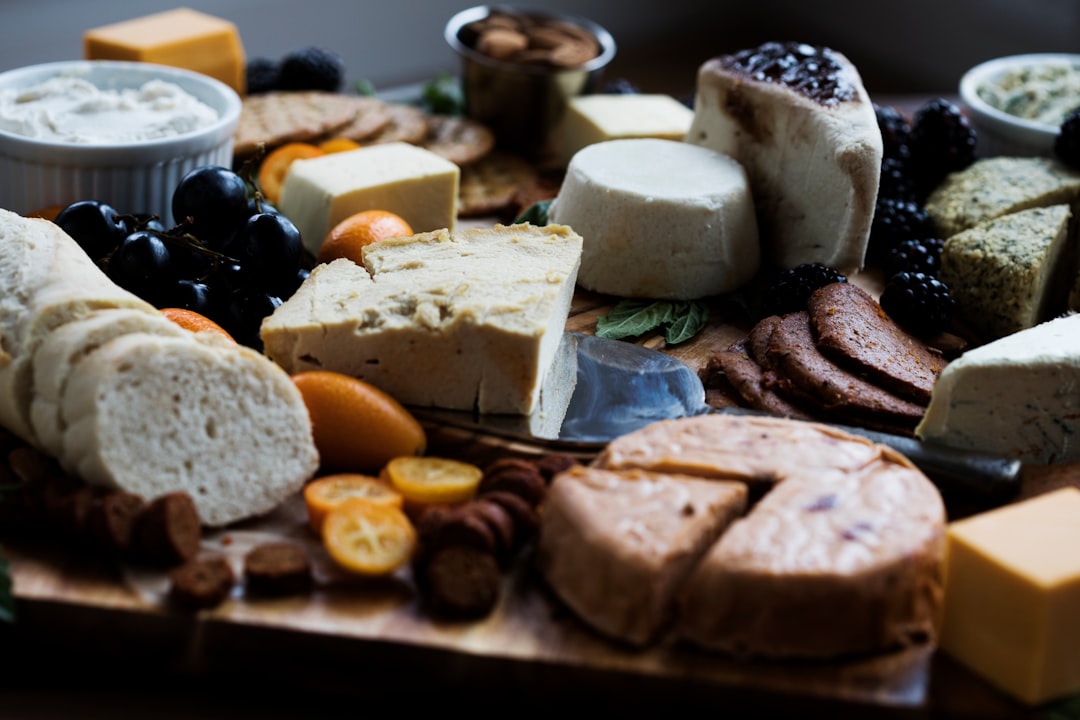
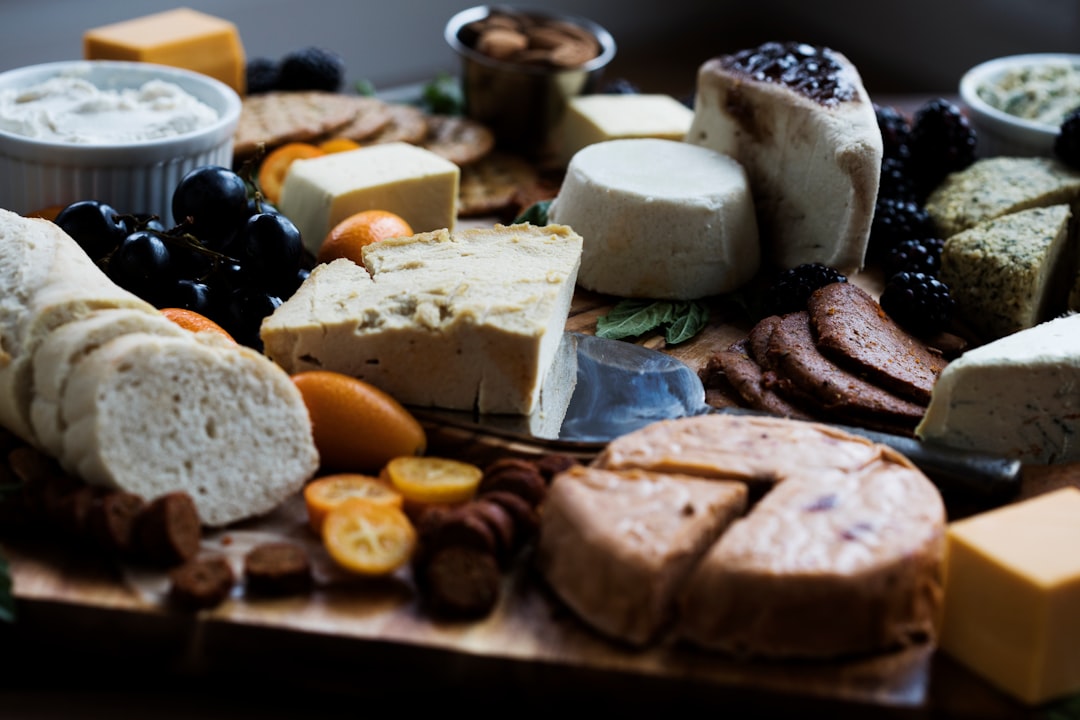
Online tutorials walk through cheese board construction step-by-step. Start with variety: include different milk types, textures, and flavor intensities. A well-rounded board might feature:
| Category | Example | Characteristics |
|---|---|---|
| Fresh | Chèvre | Mild, creamy, slightly tangy |
| Soft-Ripened | Brie de Meaux | Buttery, earthy, mushroomy rind |
| Semi-Hard | Manchego | Nutty, firm, slightly sweet |
| Hard | Parmigiano-Reggiano | Crystalline, savory, long finish |
| Blue | Gorgonzola Dolce | Creamy, piquant, balanced salinity |
Add complementary elements: dried fruits for sweetness, nuts for crunch, honey for contrast, and quality crackers or bread as vehicles. Online courses demonstrate arrangement techniques that balance visual appeal with practical accessibility for guests.
🌍 Exploring Global Cheese Traditions
Each cheese-producing region carries unique traditions shaped by climate, available livestock, and cultural preferences. Online learning allows virtual travel through these traditions without leaving home.
Italian cheese culture revolves around meals. Parmigiano-Reggiano and Grana Padano function as cooking cheeses grated over pasta, while mozzarella di bufala stars in Caprese salads. Pecorino Romano adds sharp saltiness to Roman dishes like cacio e pepe.
French cheese artistry emphasizes terroir and tradition. The country produces over 1,000 varieties, from pungent Époisses washed in Marc de Bourgogne to delicate Valençay dusted with vegetable ash. French courses often organize content by region: Normandy’s cream-enriched cheeses versus the Alpine hard varieties.
British cheese heritage includes territorial varieties like Cheddar from Somerset, Stilton from the Midlands, and Caerphilly from Wales. Modern British cheesemaking has experienced a renaissance, with artisan producers creating innovative cheeses that honor tradition while embracing experimentation.
American Artisan Revolution
The United States has transformed from a processed cheese nation to a respected artisan producer. Online courses track this evolution, highlighting pioneers in Vermont, California, and Wisconsin who studied European techniques then adapted them to local conditions.
American cheesemakers now win international competitions with varieties that blend Old World methods and New World creativity. Humboldt Fog from California, Pleasant Ridge Reserve from Wisconsin, and Moses Sleeper from Massachusetts represent world-class American originals.
🔬 Understanding Cheese Science
The transformation of milk into cheese involves complex biochemistry that online courses make accessible. You’ll learn how lactic acid bacteria acidify milk, how rennet enzymes coagulate proteins into curds, and how aging develops flavor through proteolysis and lipolysis.
Temperature control during production dramatically affects final texture. Mozzarella requires heating and stretching curds to achieve that characteristic pull. Cheddar undergoes cheddaring—stacking and turning curd slabs to expel whey and develop texture.
Mold introduction creates distinctive varieties. Penicillium candidum produces the white bloomy rind on Brie and Camembert. Penicillium roqueforti creates the blue veining in Roquefort and Gorgonzola. Understanding these processes deepens appreciation for the cheesemaker’s craft.
Raw Milk vs. Pasteurized Debates
Online courses present balanced perspectives on this contentious topic. Raw milk advocates argue that pasteurization destroys beneficial bacteria and subtle flavors. Safety proponents emphasize pathogen risks, particularly for pregnant women and immunocompromised individuals.
Regulations vary globally. The United States requires 60-day aging for raw milk cheeses sold across state lines. France permits raw milk cheese sales with proper labeling. Understanding these regulations helps consumers make informed choices aligned with their risk tolerance and flavor preferences.
🛒 Smart Cheese Shopping and Storage
Online education transforms grocery shopping from guesswork into informed decision-making. Learn to read labels identifying production methods, milk types, and aging periods. Understand protected designation of origin labels that guarantee authenticity.
Proper storage extends cheese life and preserves quality. Hard cheeses wrapped in wax paper then plastic can last months refrigerated. Soft cheeses require gentler handling and faster consumption. Blue cheeses need airflow to prevent ammonia development.
Temperature matters significantly. Cheese storage compartments in refrigerators maintain ideal humidity (around 80%) and temperature (35-40°F). Lacking specialized storage, wrap cheese properly and store in vegetable crisper drawers away from strong-smelling foods.
Serving Cheese at Optimal Temperature
Most cheeses taste best at room temperature when fats soften and aromatic compounds volatilize. Remove cheese from refrigeration 30-60 minutes before serving, depending on size and variety.
Hard cheeses like Parmigiano need longer warming periods. Soft cheeses like Camembert come to temperature faster. This simple practice dramatically improves flavor perception—a key lesson emphasized in tasting technique modules.
🍽️ Cooking With Cheese Like a Pro
Beyond cheese boards, online courses teach cooking applications. Different varieties behave differently under heat. Gruyère melts smoothly for fondue thanks to high moisture and fat content. Halloumi maintains structure when grilled due to high melting point.
Making perfect mac and cheese requires understanding starch’s role in preventing separation. A béchamel base stabilizes cheese sauce, while adding cheese gradually off heat prevents graininess. Online video demonstrations show these techniques clearly.
Risotto benefits from Parmigiano-Reggiano stirred in at the finish, adding umami depth and creamy texture. Pizza requires low-moisture mozzarella to prevent soggy crusts. These practical applications make online cheese education immediately useful in home kitchens.
💡 Building a Cheese Tasting Practice
Developing your palate requires intentional practice. Online courses guide you through systematic tasting methods used by professionals. Begin with visual assessment: observe color, rind characteristics, and texture indicators.
Aroma evaluation comes next. Cheese releases hundreds of volatile compounds. Training helps identify categories: lactic (milky, buttery), animal (barnyardy, sheepy), vegetal (grassy, nutty), fruity, and spicy notes.
Taste analysis follows a progression: initial flavors on the tongue, mid-palate development, and finish length. Texture assessment includes smoothness, graininess, crystallinity, and mouthfeel. Recording observations trains your sensory memory and refines discrimination abilities.
Organizing Virtual Tasting Groups
Many learners form online tasting communities. Members purchase the same cheeses, then meet virtually to share impressions and discuss characteristics. This social dimension adds accountability and diverse perspectives that enrich learning.
Guided virtual tastings led by experts have become popular. Participants receive curated cheese selections shipped to their homes, then join live video sessions where a maître fromager leads them through each variety, sharing production details and answering questions in real-time.
🏆 Pursuing Professional Certification
For those considering career paths, professional certifications demonstrate expertise to employers and clients. The American Cheese Society offers the Certified Cheese Professional (CCP) exam, testing knowledge across cheese fundamentals, selection, storage, and service.
The Academy of Cheese provides tiered certification from Level 1 (foundation knowledge) through Level 4 (master level expertise). Online study resources prepare candidates for these rigorous examinations.
Career opportunities span retail cheese shops, restaurant positions, specialty importing, cheese production, food writing, and education. Certification differentiates candidates in competitive markets and commands higher compensation.
🌟 Continuous Learning in the Cheese World
Cheese knowledge never stops evolving. New artisan producers emerge constantly, creating innovative varieties. Climate change affects traditional production regions. Consumer preferences shift toward sustainability and animal welfare considerations.
Subscribing to online resources keeps your knowledge current. Podcasts like “The Cutting Board” interview cheesemakers and industry experts. YouTube channels demonstrate techniques and review new releases. Blogs from cheese professionals share tasting notes and trend analysis.
Social media communities on platforms like Instagram and Reddit facilitate daily engagement with fellow enthusiasts. Share photos of finds, ask identification questions, and discover recommendations from members worldwide.
The journey from cheese novice to knowledgeable enthusiast is more accessible than ever before. Online platforms, mobile applications, and digital communities provide structured education, practical tools, and ongoing inspiration. Whether your goal is personal enrichment, professional development, or simply making better choices at the cheese counter, the resources exist to support your learning at whatever pace suits your lifestyle. Start exploring today, and transform how you experience one of humanity’s oldest and most beloved foods.
