
Anúncios
Learning about bicycles has never been easier, with countless online resources offering expert guidance, tutorials, and communities to help you master every aspect of cycling.


Whether you’re a complete beginner looking to buy your first bike or an experienced rider wanting to upgrade your skills, the internet provides a wealth of knowledge at your fingertips. From understanding bike components to learning proper maintenance techniques, online platforms have transformed how cyclists educate themselves.
The beauty of learning online lies in the flexibility and depth of information available. You can explore video tutorials, join global cycling communities, access professional coaching programs, and even simulate bike fits—all from the comfort of your home. This comprehensive guide will walk you through everything you need to know about bicycles through digital learning platforms.
🚴 Understanding Different Types of Bicycles Through Online Resources
Before diving into technical details, recognizing the various bicycle categories is essential. Online platforms offer detailed comparisons that help you identify which bike suits your needs best.
Road bikes are designed for speed and efficiency on paved surfaces. They feature lightweight frames, narrow tires, and drop handlebars. Online courses demonstrate how aerodynamic positioning works and why these bikes excel in racing and long-distance riding.
Mountain bikes tackle rough terrain with robust construction, wide knobby tires, and suspension systems. Digital tutorials break down the differences between hardtail and full-suspension models, explaining when each performs best.
Hybrid bikes blend road and mountain bike characteristics, creating versatile machines for commuting and recreational riding. Online reviews help you understand the compromises involved in choosing this middle-ground option.
Gravel bikes have surged in popularity, and online cycling communities extensively discuss their capabilities. These bikes handle everything from pavement to dirt roads, making them ideal for adventure-seeking riders.
Electric bikes (e-bikes) represent the fastest-growing segment. Web-based resources explain motor types, battery ranges, and legal classifications across different regions. Many manufacturers offer virtual showrooms where you can explore models in 3D.
Specialty Bicycles Worth Exploring Online 🔍
BMX bikes cater to trick riding and racing on compact tracks. YouTube channels dedicated to BMX provide step-by-step tutorials for mastering basic to advanced maneuvers.
Touring bikes are built for long-distance travel with panniers and gear. Online forums share real-world experiences from cyclists who’ve crossed continents, offering invaluable practical advice.
Folding bikes solve storage and transportation challenges. Digital reviews compare folding mechanisms, portability, and ride quality across dozens of models.
🔧 Mastering Bicycle Components and Mechanics Online
Understanding how your bike works empowers you to make informed decisions and perform basic maintenance. Online learning platforms break down complex systems into digestible lessons.
The drivetrain includes the chain, cassette, derailleurs, and crankset. Video tutorials demonstrate how gear ratios work and why different setups suit various riding styles. Interactive diagrams available online let you explore each component’s function in detail.
Braking systems come in two primary types: rim brakes and disc brakes. Online comparisons explain stopping power, maintenance requirements, and weather performance. Many websites feature side-by-side videos showing real-world braking tests.
Wheel construction affects ride quality, weight, and durability. Web-based courses cover spoke patterns, rim materials, and hub types. You can find calculators online that help determine optimal wheel specifications for your weight and riding style.
The suspension system on mountain bikes deserves special attention. Online resources explain travel distances, compression damping, and rebound settings. Professional mechanics share tuning guides specific to different terrains and rider preferences.
| Component | Best Online Learning Source | Skill Level |
|---|---|---|
| Basic Maintenance | YouTube tutorials | Beginner |
| Wheel Building | Specialized courses | Advanced |
| Drivetrain Adjustment | Manufacturer websites | Intermediate |
| Suspension Tuning | Brand-specific resources | Intermediate-Advanced |
| Frame Geometry | Engineering blogs | Advanced |
🛠️ Online Maintenance Tutorials That Actually Work
Regular maintenance extends your bike’s lifespan and ensures safe riding. The internet hosts thousands of maintenance guides, but quality varies significantly.
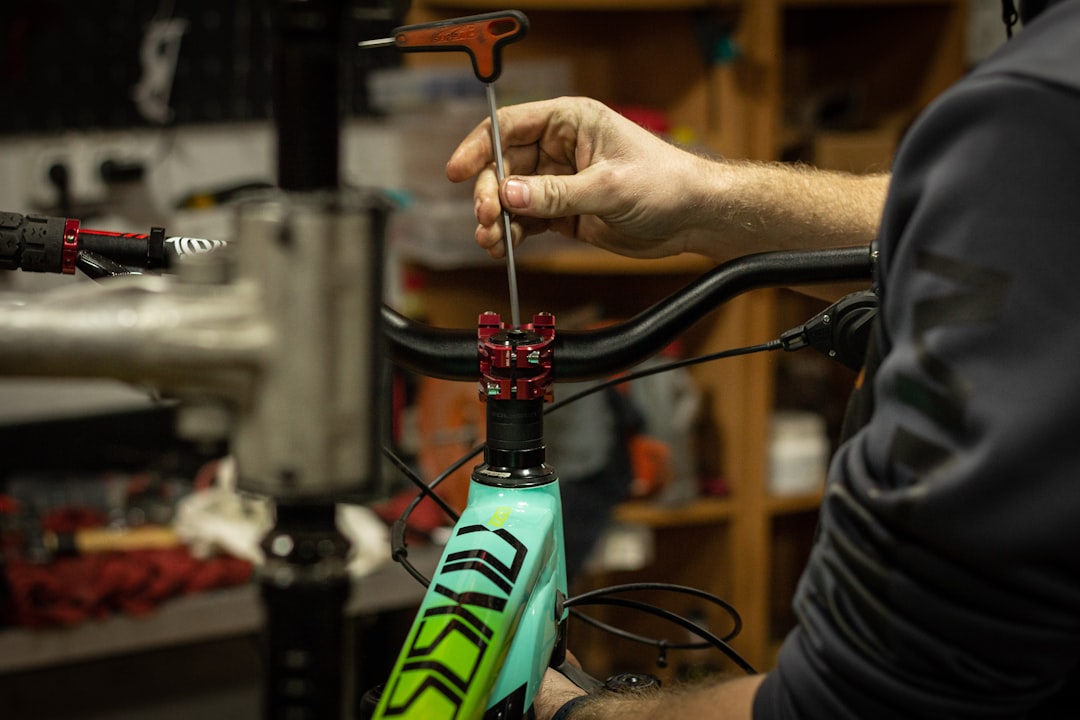
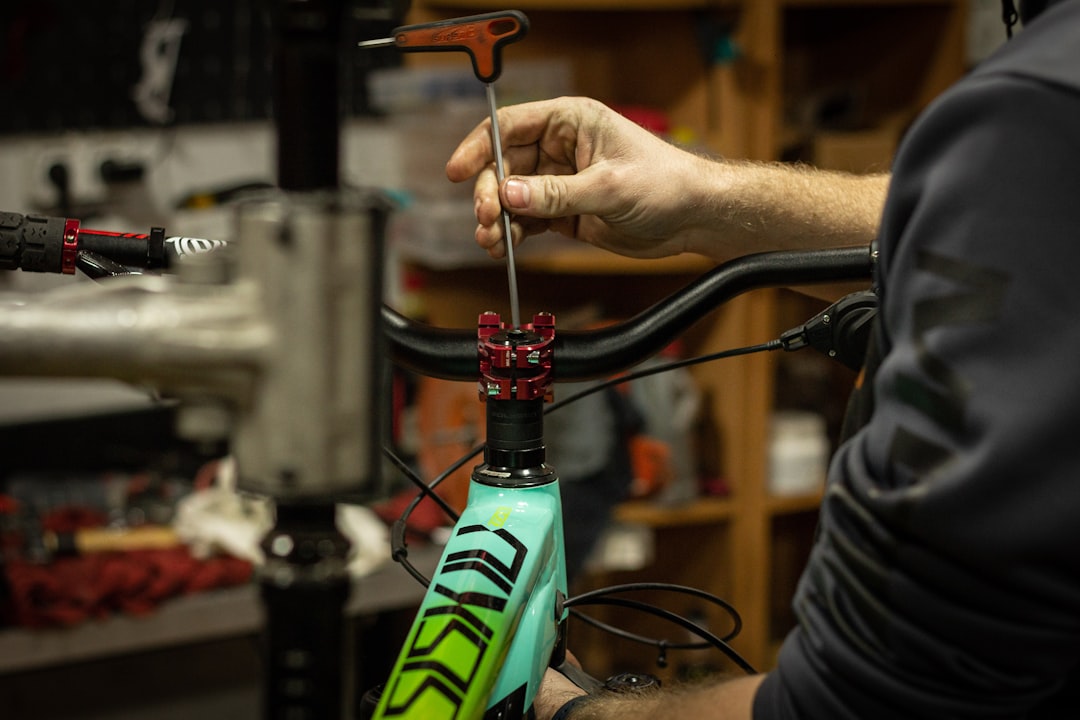
Chain cleaning and lubrication represents the most fundamental skill. Video tutorials show proper techniques, recommended products, and how often to perform this task based on riding conditions. Many channels demonstrate the consequences of neglecting chain maintenance through time-lapse footage.
Brake pad replacement becomes straightforward when following visual guides. Online resources cover both rim and disc brake systems, explaining signs of wear and proper alignment procedures. Some websites offer printable checklists to ensure you complete every step.
Tire changing skills prove essential for any cyclist. Digital tutorials walk through removing wheels, breaking tire beads, installing tubes, and reseating tires. Advanced guides cover tubeless setups, which require specific knowledge and tools.

Derailleur adjustment intimidates many riders, but online step-by-step instructions demystify the process. Interactive tools let you diagnose shifting problems and learn the corresponding fixes. Professional mechanics share their systematic approaches to achieving perfect indexing.
Bearing maintenance in hubs, headsets, and bottom brackets requires more advanced knowledge. Specialized websites provide detailed teardown guides with photos at each stage. Forums help troubleshoot specific issues when standardized instructions don’t apply.
Building Your Online Maintenance Toolkit 🧰
Digital resources help you assemble the right tools without overspending. Curated lists specify which tools handle specific tasks and which universal items every cyclist needs.
- Multi-tools – Online reviews compare functionality, durability, and value across dozens of models
- Torque wrenches – Tutorials explain why proper torque matters for carbon components
- Chain checkers – Videos demonstrate measuring chain wear accurately
- Tire levers – Guides show techniques that prevent tube pinching
- Cleaning supplies – Comparison charts evaluate eco-friendly versus industrial-strength options
📚 Choosing the Right Online Learning Platform for Cycling Education
Not all online resources deliver equal value. Understanding platform strengths helps you find the most effective learning path.
YouTube channels offer free visual instruction covering virtually every topic. Established channels like GCN (Global Cycling Network) and Park Tool provide professional-grade content. The comment sections often contain additional tips from experienced cyclists worldwide.
Dedicated cycling websites publish in-depth articles, reviews, and buyer’s guides. Sites like BikeRadar, Cycling Weekly, and VeloNews combine journalistic standards with technical expertise. Their archives contain years of accumulated knowledge searchable by topic.
Online courses through platforms like Udemy or specialized cycling education sites offer structured curriculum. These paid programs provide certificates upon completion and often include direct instructor feedback.
Mobile applications combine learning with practical tools. Apps teach bike maintenance through augmented reality, guide you through repairs step-by-step, and track your learning progress over time.
Forums and communities like Reddit’s r/bicycling or BikeForums connect you with experienced riders who answer specific questions. The collective wisdom of these communities solves problems that individual tutorials might not address.
🏋️ Training and Fitness Programs Available Online
Improving cycling performance requires structured training. Digital platforms offer coaching programs previously available only to professional athletes.
Power-based training has revolutionized cycling fitness. Online coaches explain FTP (Functional Threshold Power), training zones, and periodization. Apps like TrainerRoad provide workouts synchronized with smart trainers, adjusting resistance automatically throughout structured sessions.
Virtual cycling platforms such as Zwift and Rouvy gamify indoor training. These services connect your smart trainer to digital worlds where you ride with cyclists globally. Online communities within these platforms organize group rides, races, and training camps.
Nutrition guidance specifically for cyclists fills countless websites. Experts explain macronutrient timing, hydration strategies, and fueling for different ride durations. Many coaches offer personalized meal plans through online consultations.
Strength training programs designed for cyclists target muscle imbalances and improve power output. Video libraries demonstrate exercises with proper form, and progression schedules ensure steady improvement.
Recovery protocols receive detailed attention in online content. Physiotherapists share stretching routines, foam rolling techniques, and sleep optimization strategies specific to cycling demands.
Tracking Your Progress Digitally 📊
Modern cycling apps transform raw data into actionable insights. These tools help you understand whether your training produces results.
GPS cycling computers sync with smartphone apps, uploading every ride detail automatically. Analysis tools break down performance by segments, comparing current efforts against historical data and other riders’ performances.
Heart rate variability (HRV) monitoring helps prevent overtraining. Online resources explain how to interpret HRV trends and adjust training intensity accordingly.
Power meter data becomes meaningful through online analysis platforms. These services identify strengths, weaknesses, and optimal training focuses based on your power profile.
🌍 Connecting With Global Cycling Communities Online
The social aspect of cycling extends far beyond local clubs through internet connectivity. Digital communities provide support, motivation, and friendship.
Strava dominates the social fitness space, combining ride tracking with competitive segments and kudos from fellow cyclists. The platform’s clubs organize virtual challenges and create accountability through shared activities.
Facebook groups cater to every cycling niche imaginable—specific bike brands, regional riding areas, women cyclists, bike packing enthusiasts, and countless others. These groups facilitate knowledge sharing and organize real-world meetups.
Instagram cycling accounts inspire through stunning photography and adventure documentation. Following riders who tackle challenges similar to your goals provides motivation during difficult training periods.
Discord servers offer real-time chat for cycling communities. Many virtual cycling platforms maintain active Discord communities where members discuss equipment, share training tips, and coordinate online group rides.
Podcasts deliver cycling content during commutes or recovery sessions. Shows cover racing news, interview professionals, discuss equipment trends, and explore cycling culture from multiple perspectives.
🛒 Making Smart Purchasing Decisions Through Online Research
Buying bicycles and components online requires careful research to avoid expensive mistakes. Digital tools help you make informed choices.
Geometry comparison tools on manufacturer websites let you overlay different bike frames, revealing subtle differences in handling characteristics. Understanding stack, reach, and wheelbase measurements helps predict how bikes will fit and feel.
User reviews on retailer sites and independent platforms provide real-world feedback. Reading both positive and negative reviews reveals patterns indicating genuine strengths and weaknesses.
Price tracking tools monitor component costs across multiple retailers. Browser extensions alert you when desired items drop to target prices, maximizing value for money.
Virtual bike fitting services use photos and measurements to recommend optimal frame sizes and component configurations. While not replacing professional fittings, these services significantly improve online purchasing accuracy.
Warranty and return policies deserve thorough online research before purchasing. Forums often discuss retailer reliability and customer service quality based on collective experience.
- Compare specifications across at least three similar models
- Watch multiple video reviews from independent sources
- Check compatibility with components you already own
- Verify seller reputation through third-party reviews
- Calculate total cost including shipping and potential duties
🚵 Specialized Online Resources for Different Cycling Disciplines
Each cycling discipline has unique requirements and dedicated online communities that share specialized knowledge.
Road cycling resources focus on aerodynamics, group riding etiquette, and race tactics. Online coaching programs teach paceline skills, cornering techniques, and sprint timing through video analysis.
Mountain biking content emphasizes trail navigation, technical skill progression, and equipment durability. Websites categorize trails by difficulty, providing GPS tracks and detailed feature descriptions.
Bike packing communities share route planning tools, gear lists, and wilderness survival knowledge. Interactive maps display water sources, camping spots, and resupply points for multi-day adventures.
Track cycling requires understanding velodrome-specific techniques. Online resources explain standing starts, motorpacing, and tactical racing strategies used in various track events.
Cyclocross combines road cycling with obstacles and running. Digital tutorials break down barrier hopping, remounting techniques, and mud-specific bike handling skills.
📱 Essential Apps Every Cyclist Should Know About
Smartphone applications extend cycling knowledge and capability beyond what websites alone can provide.
Navigation apps designed for cycling consider traffic, road surface quality, and elevation when plotting routes. They reroute automatically when you deviate from planned paths and warn about upcoming hazards.
Maintenance reminder apps track component usage, alerting you when chains need replacement or suspension requires servicing. These tools prevent premature wear and unexpected failures.
Weather apps specialized for cyclists provide hour-by-hour wind forecasts, precipitation radar, and temperature predictions. Some apps suggest optimal departure times based on conditions.
Safety apps share your location with emergency contacts and can automatically alert them if crashes are detected through sudden stops or phone impacts.
Cycling computer apps transform smartphones into GPS bike computers, displaying speed, distance, elevation, and power data in real-time on handlebar mounts.
🎓 From Beginner to Expert: Structuring Your Online Learning Journey
Effective online learning requires structured progression rather than random content consumption. Creating a personalized curriculum ensures comprehensive knowledge development.
Beginner phase should focus on bike selection, basic maintenance, and safe riding skills. Spend 4-6 weeks exploring fundamental concepts through introductory videos and articles. Practice each maintenance task on your own bike as you learn it.
Intermediate phase introduces performance optimization, advanced components, and discipline-specific techniques. Dedicate 2-3 months to deeper dives into topics that match your riding interests. Join online communities relevant to your chosen cycling style.
Advanced phase involves specialized knowledge like suspension tuning, aerodynamics, or coaching certifications. This ongoing education spans years as cycling technology and training methodologies continually evolve.
Document your learning progress through note-taking apps or digital journals. Revisiting earlier lessons after gaining experience often reveals nuances you missed initially.
Set specific learning goals with measurable outcomes: “Complete wheel truing tutorial and successfully true my own wheels” rather than vague intentions like “learn about wheels.”
The internet has democratized cycling education, making expert knowledge accessible to anyone with curiosity and internet connectivity. Whether you’re maintaining your first bike, training for competitive events, or simply exploring cycling culture, online resources provide pathways to mastery that previous generations never enjoyed. The key lies in approaching digital learning strategically—choosing quality sources, practicing what you learn, and connecting with communities that share your cycling passions. Your journey into the cycling world starts with a single click, opening doors to endless possibilities on two wheels.
