
Anúncios
Capturing the cosmos from your backyard has never been more accessible. Online astrophotography courses and resources open up a universe of possibilities for anyone with curiosity and a camera.


The night sky holds countless wonders waiting to be photographed. Stars, galaxies, nebulae, and planets dance across the darkness, offering spectacular subjects for photographers willing to learn the techniques. Modern technology and digital learning platforms have transformed what was once an exclusive hobby into something anyone can pursue from home.
Learning astrophotography online combines flexibility with expert guidance. You can master exposure settings at midnight, study image stacking during lunch breaks, and connect with fellow stargazers worldwide. This guide explores how digital education has revolutionized celestial photography and what you need to know to start your journey among the stars.
🌟 Why Online Learning Works Perfectly for Astrophotography
Astrophotography demands patience, technical knowledge, and practical experience. Online courses deliver all three elements through structured lessons you can revisit whenever needed. Unlike traditional workshops limited by location and schedule, digital platforms let you learn during clear nights when conditions are perfect for practice.
The asynchronous nature of online education suits astrophotography uniquely well. Weather patterns rarely cooperate with fixed class schedules. When clouds finally part at 2 AM, you can immediately apply what you learned in video tutorials watched earlier that week. This flexibility transforms theoretical knowledge into practical skill faster than any classroom setting could achieve.
Community features in online courses connect you with photographers across different hemispheres and climates. Southern hemisphere students capture objects invisible to northern observers, creating rich learning exchanges. Forum discussions troubleshoot equipment issues, share location recommendations, and celebrate successful captures regardless of time zones.
Immediate Access to Expert Techniques
Professional astrophotographers who once guarded trade secrets now share detailed workflows through online platforms. You gain direct access to experts who’ve spent decades perfecting their craft. Video demonstrations show exactly how to polar align a mount, calibrate dark frames, or process data in specialized software.
These courses often include downloadable practice files so you can process actual deep-sky images before capturing your own. Working with professional-grade data teaches you what properly exposed nebula files should look like, setting realistic expectations for your equipment and conditions.
📸 Essential Equipment Knowledge You’ll Master Online
Understanding gear forms the foundation of astrophotography education. Online courses break down complex equipment choices into digestible lessons covering cameras, lenses, mounts, and accessories. You’ll learn which tools match your budget and goals without wasting money on unnecessary upgrades.
Camera sensor types represent a crucial early decision. Full-frame sensors gather more light but cost significantly more than crop sensors. Dedicated astronomy cameras offer cooling systems and monochrome sensors for maximum detail, while modified DSLRs provide versatility for daytime photography too. Quality courses explain these trade-offs with real-world examples and sample images.
| Equipment Type | Beginner Option | Intermediate Option | Advanced Option |
|---|---|---|---|
| Camera | DSLR/Mirrorless | Modified DSLR | Cooled Astronomy Camera |
| Lens/Telescope | 50-200mm lens | Small refractor (60-80mm) | Large reflector (200mm+) |
| Mount | Sturdy tripod | Star tracker | Equatorial mount with GoTo |
| Cost Range | $500-$1,500 | $2,000-$5,000 | $5,000-$15,000+ |
Tracking Mounts and Polar Alignment
Earth’s rotation creates star trails in long exposures unless you compensate with tracking. Online tutorials demonstrate polar alignment procedures step-by-step, showing exactly where to position your mount’s axis. Visual learners benefit tremendously from video demonstrations that reveal subtle details written instructions miss.
Star trackers offer portable solutions for wide-field Milky Way shots, while computerized equatorial mounts enable hours-long exposures of distant galaxies. Courses teach you to evaluate tracking accuracy using drift alignment methods and software analysis tools. These skills prevent frustration from discovered tracking errors hours into an imaging session.
🎯 Mastering Camera Settings for Night Sky Photography
Exposure parameters work differently when photographing faint celestial objects. Online courses dedicate entire modules to the exposure triangle as it applies to astrophotography. ISO, aperture, and shutter speed interact uniquely when light sources are millions of miles away and barely visible to the naked eye.
High ISO settings amplify signal but also introduce noise that must be managed through stacking and processing. Wide apertures (f/2.8 or faster) gather maximum light but may produce coma or vignetting at frame edges. Shutter speeds balance tracking limitations against the need for sufficient photon collection. Quality instruction helps you find the sweet spot for your specific equipment.
The Magic of Image Stacking
Single exposures rarely reveal the full beauty of deep-sky objects. Stacking multiple frames dramatically improves signal-to-noise ratio, revealing details invisible in individual shots. Online courses teach specialized software like DeepSkyStacker, PixInsight, or Astro Pixel Processor to combine dozens or hundreds of images.
The process involves capturing light frames (actual target images), dark frames (thermal noise calibration), flat frames (optical vignetting correction), and bias frames (readout noise elimination). Each calibration frame type serves a specific purpose in producing clean final images. Video tutorials demonstrate the entire workflow from capture through final stack.
- Light frames: 50-200 exposures of your target object
- Dark frames: 20-50 frames with lens cap on, same exposure/temperature
- Flat frames: 20-50 frames of evenly lit white surface
- Bias frames: 50-100 shortest possible exposures with cap on
🌌 Post-Processing Techniques That Bring Images to Life
Raw stacked images look underwhelming straight from stacking software. Post-processing unlocks hidden details through careful stretching, color balancing, and noise reduction. Online education excels here because instructors can demonstrate exact slider movements and layer adjustments in real-time.
Adobe Photoshop and specialized astronomy software like PixInsight offer powerful tools designed for astrophotography. Courses teach non-destructive editing workflows using adjustment layers and masks. You’ll learn to stretch histogram data revealing faint nebulosity while protecting star colors and preventing background noise amplification.
Color Calibration for Accurate Skies
Artificial light pollution, atmospheric conditions, and camera white balance all skew celestial colors. Professional processing restores accurate hues representing the actual emission spectra of nebulae and stellar temperatures. Courses demonstrate photometric color calibration using reference stars and spectroscopic data.
Narrowband imaging takes this further by capturing specific emission wavelengths through specialized filters. Hydrogen-alpha, sulfur-II, and oxygen-III filters reveal structural details invisible in broadband RGB images. Learning to combine narrowband channels into stunning false-color or natural-color composites requires instruction that online platforms deliver effectively through visual examples.
🔭 Choosing Your First Celestial Targets
Target selection makes or breaks beginner experiences. Online courses guide you toward appropriate objects for your equipment level and location. Starting with bright, large targets builds confidence before attempting faint, small galaxies requiring perfect conditions and advanced techniques.
The Orion Nebula serves as the classic beginner target—bright, large, and spectacular even in modest equipment. The Andromeda Galaxy rewards wide-field setups with its enormous angular size. Star clusters like the Pleiades forgive focusing errors while producing beautiful results. Courses provide seasonal target lists with technical specifications like magnitude, size, and optimal imaging dates.
Planning Sessions with Astronomy Software
Professional-grade planning tools like Stellarium, SkySafari, or Cartes du Ciel help optimize imaging sessions. Online tutorials teach you to identify meridian transit times when targets reach maximum altitude, plan around moonrise and moonset, and avoid light-polluted sky regions. This planning transforms random shooting into efficient data collection.
Altitude above horizon dramatically affects image quality. Objects below 30 degrees suffer atmospheric distortion and light pollution. Courses teach you to schedule targets reaching 50+ degrees altitude during moonless periods. This strategic approach yields consistently better results than shooting whatever’s visible.
☁️ Understanding Weather and Atmospheric Conditions
Astrophotography success depends heavily on atmospheric transparency and seeing conditions. Online meteorology modules teach you to read specialized forecasts predicting cloud cover, atmospheric moisture, and jet stream turbulence. Clear skies don’t guarantee good imaging conditions if high-altitude moisture scatters starlight.
Websites like Clear Dark Sky, Astrospheric, and Meteoblue provide forecasts specifically for astronomers. Courses show you how to interpret these predictions and make go/no-go decisions hours before sunset. Learning to recognize improving or deteriorating trends prevents wasted setup time and extends sleep opportunities when conditions won’t cooperate.
Battling Light Pollution
Urban and suburban photographers face significant light pollution challenges. Online education covers light pollution filters, target selection strategies, and processing techniques that extract signal from heavily light-polluted skies. Narrowband imaging particularly excels in bright locations because emission filters block most artificial light wavelengths.
The Bortle scale quantifies light pollution from Class 1 (pristine dark sites) to Class 9 (inner-city). Understanding your Bortle class helps set realistic expectations. Courses demonstrate what’s achievable at each level, preventing discouragement when your suburban backyard images don’t match those shot from remote desert locations.
📱 Leveraging Mobile Apps and Modern Technology
Smartphone applications have revolutionized field operations for astrophotographers. Polar alignment apps use your phone’s sensors to guide precise mount setup. Focusing aids analyze star sizes ensuring tack-sharp images. Remote camera control apps let you trigger exposures without bumping equipment or braving cold temperatures.
Specialized apps like the Seestar system integrate planning, alignment, capture, and basic processing into unified mobile experiences. These platforms lower technical barriers for newcomers while providing powerful tools for experienced imagers. Online courses increasingly incorporate mobile workflows reflecting how modern astrophotographers actually work.
👥 Joining Online Astrophotography Communities
Learning accelerates dramatically when you engage with active communities. Reddit’s r/astrophotography, CloudyNights forums, and Stargazers Lounge host thousands of experienced imagers willing to critique your work and answer questions. Online courses often include private community access as part of enrollment.
Sharing your images invites constructive feedback identifying processing artifacts, tracking errors, or focus problems you might miss. Seeing others’ work inspires new techniques and target ideas. Monthly competitions motivate regular imaging sessions that build skills faster than sporadic practice.
Finding Local Dark Sky Sites
Online resources help locate nearby dark-sky locations for improved imaging. Light pollution maps from DarkSiteFinder and Light Pollution Map overlay Bortle classifications on satellite imagery. Many courses include modules on scouting locations, considering factors like horizon visibility, access restrictions, and personal safety.
Astronomy clubs organize star parties at premium dark sites, offering chances to see various equipment setups in action. These gatherings complement online learning by providing hands-on exposure to different approaches and immediate expert assistance with troubleshooting.
💡 Advanced Techniques Worth Pursuing
Once fundamentals become comfortable, advanced techniques open new creative possibilities. Narrowband imaging reveals emission nebulae invisible to standard cameras. Lucky imaging captures planetary details by selecting the sharpest frames from thousands of short exposures. Photometric analysis extracts scientific data about stellar properties and exoplanet transits.
Time-lapse astrophotography combines hundreds of images into videos showing celestial motion across hours or entire nights. Some photographers specialize in capturing satellites, asteroids, or even atmospheric phenomena like auroras and noctilucent clouds. Online courses covering these specializations let you explore niches matching your specific interests.
Automation and Remote Observatories
Serious astrophotographers increasingly automate imaging sequences, enabling unattended operation through entire nights. Software like Sequence Generator Pro or NINA (Nighttime Imaging ‘N’ Astronomy) coordinates mount movement, camera exposure, filter wheels, and focuser adjustments. Courses teaching automation workflows help you maximize imaging time while minimizing tedious manual operations.
Remote observatories take this further by locating equipment at dark-sky sites accessed via internet. Services like iTelescope or AstroBin rent telescope time at professional-grade facilities. Learning to use remote systems through online instruction opens access to equipment and skies beyond what home setups could achieve.
🚀 Starting Your Astrophotography Journey Today
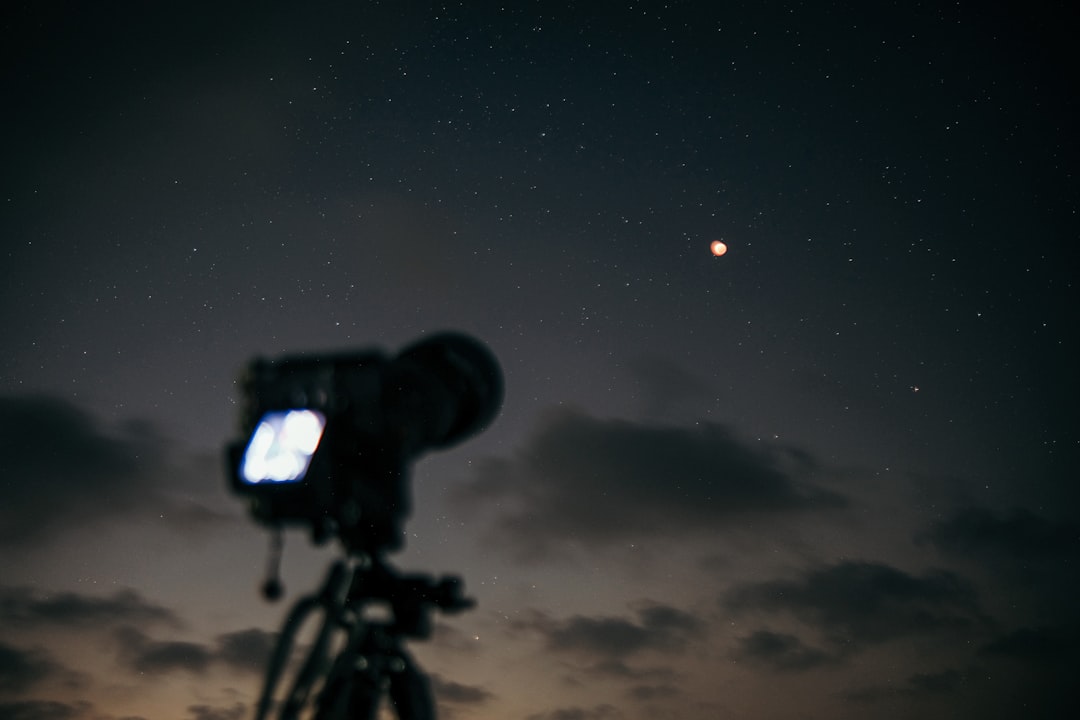
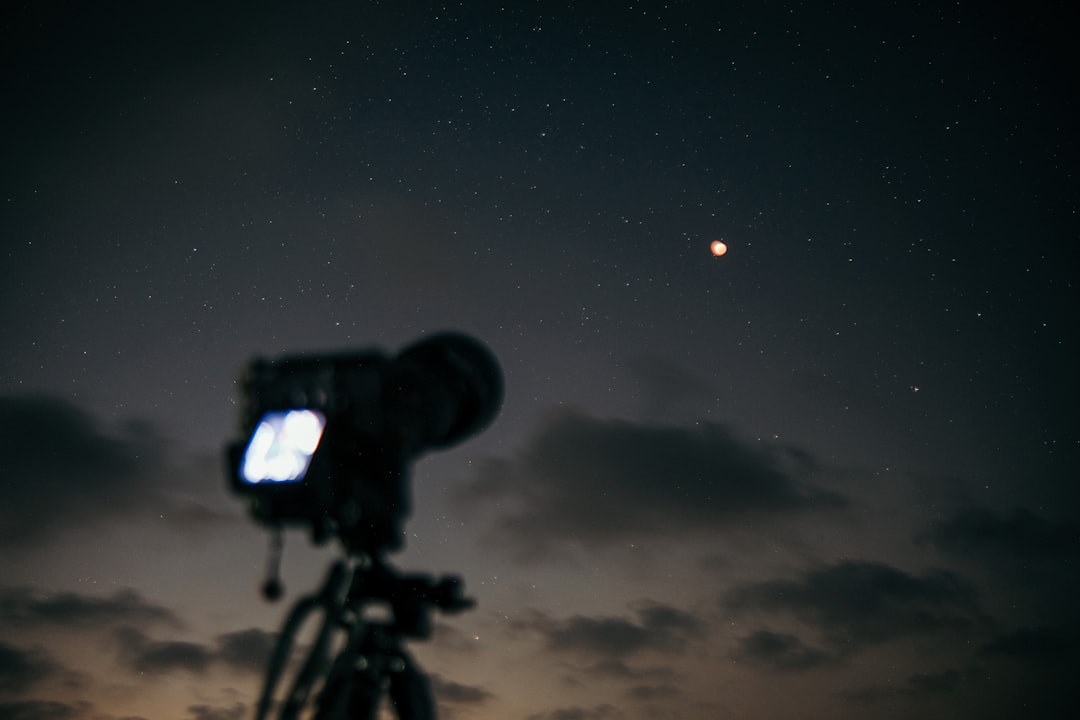
Beginning astrophotography feels overwhelming with complex equipment, technical jargon, and processing workflows. Online education breaks this complexity into manageable steps progressing logically from basics through advanced techniques. The key is starting simple—a camera, tripod, and clear night sky provide everything needed for impressive Milky Way shots.
Quality online courses structure learning paths preventing information overload. Beginner modules focus on wide-field imaging with existing camera equipment. Intermediate sections introduce tracking and telescope use. Advanced courses dive deep into specialized techniques and scientific applications. This progression builds confidence through achievable successes before tackling greater challenges.
The investment in online astrophotography education pays dividends through accelerated learning curves and avoided equipment mistakes. Understanding capabilities before purchasing prevents expensive dead-end purchases. Proper technique from the start develops good habits rather than reinforcing bad ones requiring later correction. Community connections formed through courses provide support lasting well beyond course completion.
Clear skies and dark nights await your camera. The universe offers infinite subjects ranging from nearby Moon craters to distant galaxies billions of light-years away. Online learning platforms provide the knowledge, techniques, and community support needed to capture these wonders. Your journey among the stars begins with a single click enrolling in education that opens up the cosmos.
