
Anúncios
The 2026 FIFA World Cup brings an intriguing clash as Norway faces Senegal on June 22nd, a match that promises to showcase two nations with rich football traditions and compelling cultural narratives.
This encounter represents more than just 90 minutes on the pitch. It embodies the journey of two footballing nations seeking to establish themselves among the world’s elite, each carrying the weight of their cultural heritage and the aspirations of their passionate supporters.
As the tournament unfolds across North America, this Group Stage matchup offers fans worldwide an opportunity to witness contrasting football philosophies, historical narratives, and the raw determination that defines international competition at its finest. ⚽
Norway’s Viking Spirit in Modern Football 🇳🇴
Norway’s relationship with football mirrors the nation’s broader cultural identity—resilient, disciplined, and deeply connected to nature and community. The Scandinavian country, known for its breathtaking fjords and midnight sun, has produced some of Europe’s most memorable football moments despite its relatively small population of just over five million people.
The Norwegian football culture emerged in the early 20th century, gaining momentum through grassroots clubs that became social hubs in communities across the country. Football provided a gathering point during long winters, creating bonds that transcended the sport itself.


Legendary Figures Who Shaped Norwegian Football
No discussion of Norwegian football is complete without mentioning Ada Hegerberg and the women’s national team, which has achieved remarkable success on the international stage. However, the men’s team carries its own distinguished legacy, particularly through players who conquered Europe’s top leagues.
Ole Gunnar Solskjær became a household name at Manchester United, embodying the Norwegian traits of patience, timing, and clinical efficiency. His “Baby-Faced Assassin” moniker captured both his unassuming demeanor and lethal finishing ability—qualities that resonated with Norwegian cultural values of humility and effectiveness over showmanship.
Erling Haaland represents the new generation, a physical phenomenon whose goal-scoring records have shattered expectations across Europe. His presence in the 2026 World Cup squad transforms Norway from underdogs to genuine contenders, carrying the hopes of an entire nation seeking its first World Cup appearance since 1998.
The Cultural Connection Between Vikings and Team Spirit
The Viking heritage runs deep in Norwegian consciousness, and these ancient seafaring warriors’ characteristics—courage, exploration, and collective strength—manifest in how Norway approaches football. The national team’s tactical organization reflects the Norwegian appreciation for structure and teamwork over individual brilliance.
Norwegian football emphasizes physical preparation, benefiting from a culture that values outdoor activities regardless of weather conditions. This resilience translates into teams capable of maintaining intensity throughout matches, wearing down opponents with relentless pressing and disciplined positioning.
Senegal’s Rhythmic Journey to Football Excellence 🇸🇳
Senegal’s football story intertwines with the nation’s post-colonial identity formation, cultural pride, and the global African diaspora’s influence. The West African nation has transformed its national team into one of the continent’s most formidable forces, reaching heights that inspire millions across Africa and beyond.
Football arrived in Senegal during French colonial rule, but the sport was quickly embraced and reimagined through local cultural lenses. The Teranga Lions—named after the Wolof concept of “teranga” meaning hospitality and community—represent more than athletic prowess; they embody national values and continental aspirations.
The 2002 World Cup: Africa’s Awakening Moment
Senegal announced itself on the global stage during the 2002 World Cup in South Korea and Japan with one of tournament history’s greatest upsets. Their opening match victory against defending champions France sent shockwaves through the football world and demonstrated that African teams could compete with—and defeat—Europe’s traditional powers.
That campaign, which saw Senegal reach the quarterfinals, featured players like El Hadji Diouf, Khalilou Fadiga, and Papa Bouba Diop, whose thunderous goal against France became immortalized in African football lore. The tournament elevated Senegalese football’s profile and inspired an entire generation of young players who saw international success as achievable.

Modern Excellence and Continental Dominance
Senegal’s 2021 Africa Cup of Nations victory marked a culmination of two decades of consistent development. The team, led by stars like Sadio Mané, Kalidou Koulibaly, and Édouard Mendy, combined technical skill with tactical sophistication, finally claiming continental glory after previous final disappointments.
The current generation of Senegalese players dominates European leagues, bringing international experience and elite-level competition exposure back to the national team. This talent pool positions Senegal as legitimate contenders in any tournament, including the 2026 World Cup.
Music, Dance, and Football: The Cultural Synthesis
Senegalese football cannot be separated from the nation’s vibrant musical traditions. The rhythms of mbalax, sabar drumming, and the influence of artists like Youssou N’Dour create an atmosphere where football celebrations become cultural expressions. Players often incorporate dance moves into goal celebrations, connecting stadium moments with street culture and traditional ceremonies.
This cultural richness extends to how Senegalese teams approach the game—with flair, creativity, and an attacking mentality that entertains while competing. The style reflects broader West African football philosophies that value technical skill, improvisation, and joyful expression alongside tactical discipline.
Tactical Battleground: Contrasting Football Philosophies 🎯
The Norway versus Senegal matchup presents a fascinating tactical contrast. Norwegian football typically emphasizes structured defending, efficient transitions, and maximizing set-piece opportunities. Their Scandinavian approach prioritizes organization, with players executing clearly defined roles within a collective system.
Senegal brings a more fluid, dynamic approach characterized by individual brilliance within flexible formations. Their attacking players possess the freedom to interchange positions, creating unpredictability that challenges rigid defensive systems. The African champions balance this creativity with improved defensive solidity, having evolved from entertaining but vulnerable teams into complete tournament contenders.
Key Player Matchups That Will Define the Game
Erling Haaland versus Kalidou Koulibaly represents perhaps the most compelling individual battle. Haaland’s extraordinary physical attributes and instinctive finishing face Koulibaly’s experience, positioning, and leadership. This central duel could determine which team controls the match’s critical moments.
In midfield, Norway’s Martin Ødegaard must orchestrate attacks against Senegal’s energetic pressing, led by Idrissa Gueye’s tireless work rate. Ødegaard’s vision and technical quality contrast with Gueye’s defensive tenacity, creating a midfield chess match that influences both teams’ effectiveness.
Senegal’s wing threats, whether Ismaïla Sarr or Boulaye Dia, will test Norway’s defensive discipline. The Scandinavian fullbacks must balance defensive responsibilities with supporting attacks, a challenge magnified by Senegal’s pace and direct running.
What This Match Means for Tournament Progression 📈
Group Stage positioning carries enormous significance in modern World Cups, where the knockout round bracket dramatically affects championship paths. For both Norway and Senegal, securing three points on June 22nd could mean the difference between facing group winners or runners-up in the Round of 16.
Norway enters this World Cup with high expectations but limited recent tournament experience. Their qualification represents a breakthrough, but translating domestic league performances into international success requires mental fortitude. A strong start against quality opposition like Senegal would validate their preparation and boost confidence for subsequent matches.
Senegal arrives as African champions with recent tournament success, yet the pressure to represent their continent weighs heavily. African teams historically face immense expectations, and early results often determine whether they’re perceived as contenders or disappointments. Victory against European opposition would signal Senegal’s serious championship ambitions.
Historical Context: European vs African Encounters
Matches between European and African nations carry historical significance beyond football. These encounters reflect broader narratives about global recognition, competitive parity, and challenging established hierarchies. When African teams defeat European opponents, it resonates as validation of African football development and organizational investment.
Norway and Senegal haven’t frequently met in competitive fixtures, making this World Cup clash particularly intriguing. Without extensive head-to-head history, tactical surprises and psychological factors become more influential than familiarity or established patterns.
How to Watch Norway vs Senegal Live on June 22nd 📱
Modern technology ensures fans worldwide can experience this crucial World Cup encounter regardless of location. Streaming applications have revolutionized sports consumption, offering flexibility, multiple viewing angles, and supplementary content that enhances the viewing experience.
Premium streaming platforms provide comprehensive World Cup coverage with high-definition quality, expert commentary in multiple languages, and interactive features like real-time statistics, player tracking, and tactical analysis overlays. These applications transform passive watching into engaging, informative experiences.
Features That Enhance Your Viewing Experience
- Multi-camera angles: Switch between tactical overhead views, player-focused cameras, and traditional broadcast perspectives to customize your viewing preference.
- Real-time statistics: Access live data on possession, passing accuracy, distance covered, and heat maps showing player positioning throughout the match.
- Instant replay: Review critical moments immediately with on-demand replay functionality, ensuring you never miss controversial decisions or spectacular plays.
- Commentary options: Choose from different commentary teams or even watch with stadium sound only for an immersive atmospheric experience.
- Match notifications: Receive alerts for goals, cards, substitutions, and significant match events even when not actively watching.
Pre-Match Content and Analysis
Quality streaming applications offer extensive pre-match programming featuring tactical previews, historical context, player interviews, and expert predictions. This supplementary content enriches understanding and builds anticipation before kickoff.
Post-match analysis provides immediate reactions, highlight packages, and deeper tactical breakdowns that explain key moments and strategic decisions. This comprehensive coverage transforms single matches into extended engagement opportunities for dedicated fans.
The Broader Tournament Implications 🏆
The 2026 World Cup represents a watershed moment for international football, expanding to 48 teams across three host nations. This format increases opportunities for nations like Norway to qualify while intensifying competition for established teams like Senegal defending their continental reputation.
Both nations view this tournament as potential breakthrough moments. Norway seeks to establish itself among Europe’s consistent qualifiers, moving beyond sporadic appearances to regular participation. Senegal aims to build on African football’s growing influence, potentially becoming the continent’s first World Cup champion.
Development Trajectories Beyond 2026
How Norway and Senegal perform in this World Cup will influence their football development for years. Strong showings attract investment, inspire youth participation, and elevate domestic league profiles. Conversely, disappointing results can trigger organizational changes and strategic recalibrations.
Norway’s football federation has invested heavily in youth development infrastructure, creating pathways from grassroots programs to elite competition. Success in 2026 would validate these investments and potentially create a golden generation capable of sustained international competitiveness.
Senegal’s success has already transformed African football perceptions, demonstrating that consistent excellence is achievable with proper organization, coaching quality, and player development systems. Their continued success challenges stereotypes and opens opportunities for increased African representation in global football governance.
Cultural Exchange Through Football 🌍
International tournaments facilitate cultural exchange, bringing together diverse nations through shared passion. The Norway-Senegal encounter connects Scandinavian and West African cultures, creating dialogue opportunities and challenging preconceptions through sporting competition.
Norwegian supporters will experience Senegalese musical traditions, vibrant celebrations, and passionate fan culture that transforms stadiums into festivals. Similarly, Senegalese fans encounter Norwegian organizational efficiency, environmental consciousness, and the quiet confidence that characterizes Scandinavian sporting culture.
These cultural intersections remind us that football transcends competition, serving as a universal language that builds bridges across geographical, linguistic, and cultural divides. The mutual respect between competing nations enriches the tournament experience beyond match results.
Preparation Meets Opportunity on June 22nd ⚡
As June 22nd approaches, both teams enter final preparation phases, fine-tuning tactics, managing injuries, and cultivating the mental focus required for World Cup competition. Training sessions become increasingly tactical, emphasizing opponent-specific strategies and set-piece routines that could determine close matches.
Norway’s coaching staff will analyze Senegal’s recent matches, identifying defensive vulnerabilities and attacking patterns. They’ll prepare specific game plans for neutralizing Senegal’s key players while maximizing opportunities to exploit spaces with Haaland’s movement and finishing ability.
Senegal’s preparation focuses on maintaining their attacking fluidity while respecting Norway’s counter-attacking threats. Their coaching team understands that controlling possession against disciplined European opponents requires patience, precise passing, and recognizing when to accelerate attacks versus when to recycle possession.
The Psychological Dimension
Mental preparation proves equally crucial as physical and tactical readiness. World Cup matches carry unique pressure, with national pride and historical legacy at stake. Players must manage anxiety, maintain concentration, and execute under circumstances unlike regular club competition.
Norway’s relative inexperience at major tournaments could create nervousness, but it might also generate fearless enthusiasm unburdened by past disappointments. Senegal’s recent success builds confidence but also raises expectations that could create pressure if early results disappoint.
Why This Match Deserves Your Attention 🎬
Beyond national allegiances and tournament implications, the Norway versus Senegal encounter promises genuine entertainment. Both teams play attacking football with identifiable styles, creating likelihood for an open, engaging match rather than cautious, defensive chess.
The individual talent on display—from Haaland’s goal-scoring prowess to Mané’s creative brilliance—ensures moments of quality that justify watching regardless of supporting either nation. World Cup matches featuring elite players operating at peak performance create memories that endure long after tournaments conclude.
For neutral observers, this match offers insight into contemporary international football’s evolution. It showcases how smaller European nations compete with traditional powers and demonstrates African football’s continued development into genuine global competitiveness.
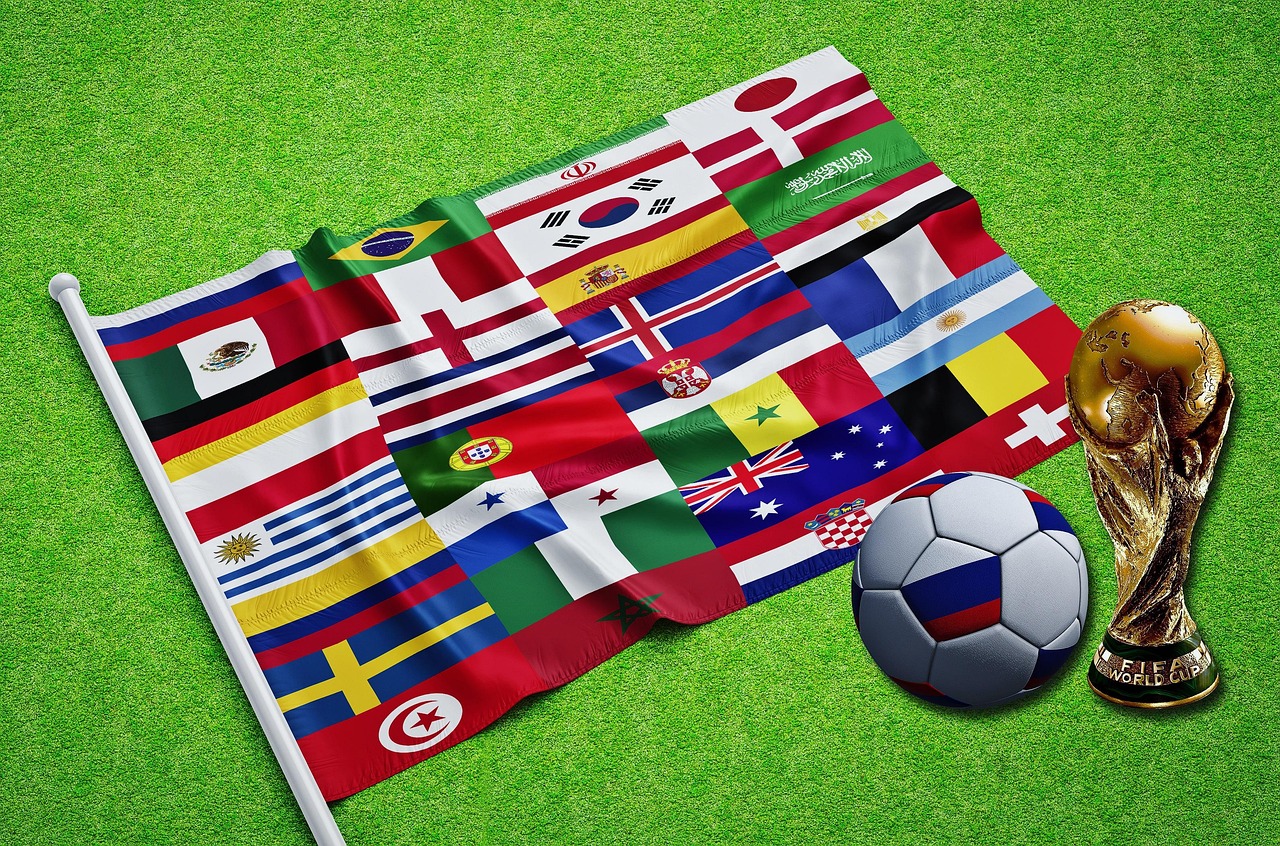
Embracing the Global Football Festival 🎉
The 2026 World Cup, hosted across the United States, Canada, and Mexico, represents football’s largest celebration. The expanded format creates more stories, more dreams realized, and more nations experiencing the tournament’s unique atmosphere.
Norway and Senegal both contribute to this global narrative, bringing distinctive cultural flavors, tactical approaches, and passionate supporter bases. Their June 22nd encounter becomes part of the tournament’s tapestry, one match among many yet significant for both nations’ football journeys.
As kickoff approaches, fans worldwide can access this compelling match through modern streaming technology, ensuring no one misses the drama, skill, and emotion that define World Cup football. Whether supporting Norway, cheering for Senegal, or simply appreciating elite competition, this match offers something for every football enthusiast.
The convergence of Norwegian resilience and Senegalese flair, European structure and African creativity, creates the perfect World Cup spectacle—unpredictable, meaningful, and ultimately, unforgettable. Make sure you’re watching when these two proud football nations collide in their quest for World Cup glory. 🌟
