
Anúncios
Learning to sew opens a world of creativity, self-expression, and practical skills that can last a lifetime. Let’s explore how you can start today! ✨


Sewing is more than just a hobby—it’s a valuable life skill that empowers you to create, repair, and customize clothing and home décor items. Whether you’re interested in making your own garments, upcycling old fabrics, or simply fixing a loose button, mastering the basics of sewing can transform the way you approach fashion and functionality.
Anúncios
The good news? You don’t need years of experience or expensive equipment to get started. With a few essential tools, some patience, and the right guidance, anyone can learn to sew confidently. This comprehensive guide will walk you through everything you need to know, from choosing your first sewing machine to mastering fundamental stitches and completing your first projects.
🧵 Why Learning to Sew Is Worth Your Time
Before diving into the practical steps, it’s important to understand why sewing remains such a valuable skill in our modern world. Despite the convenience of fast fashion and ready-made clothing, sewing offers unique benefits that go far beyond simply creating garments.
Anúncios
First and foremost, sewing gives you complete control over your wardrobe. You can create pieces that fit your body perfectly, express your personal style, and use fabrics and colors that truly resonate with you. No more settling for clothes that almost fit or designs that aren’t quite right.
Additionally, sewing is incredibly therapeutic. The repetitive motions, focused attention, and creative problem-solving involved in sewing projects can reduce stress and anxiety. Many people find that spending time at their sewing machine provides a much-needed break from screens and digital distractions.
From an environmental perspective, sewing allows you to participate in sustainable fashion. You can repair damaged clothing instead of throwing it away, upcycle old garments into new creations, and choose eco-friendly fabrics for your projects. This mindful approach to clothing helps reduce textile waste and minimizes your environmental footprint.
🛠️ Essential Tools for Beginner Sewers
Before you begin your sewing journey, you’ll need to gather some basic tools. While the world of sewing notions is vast and can seem overwhelming, you only need a few essentials to get started successfully.
The Sewing Machine: Your Primary Investment
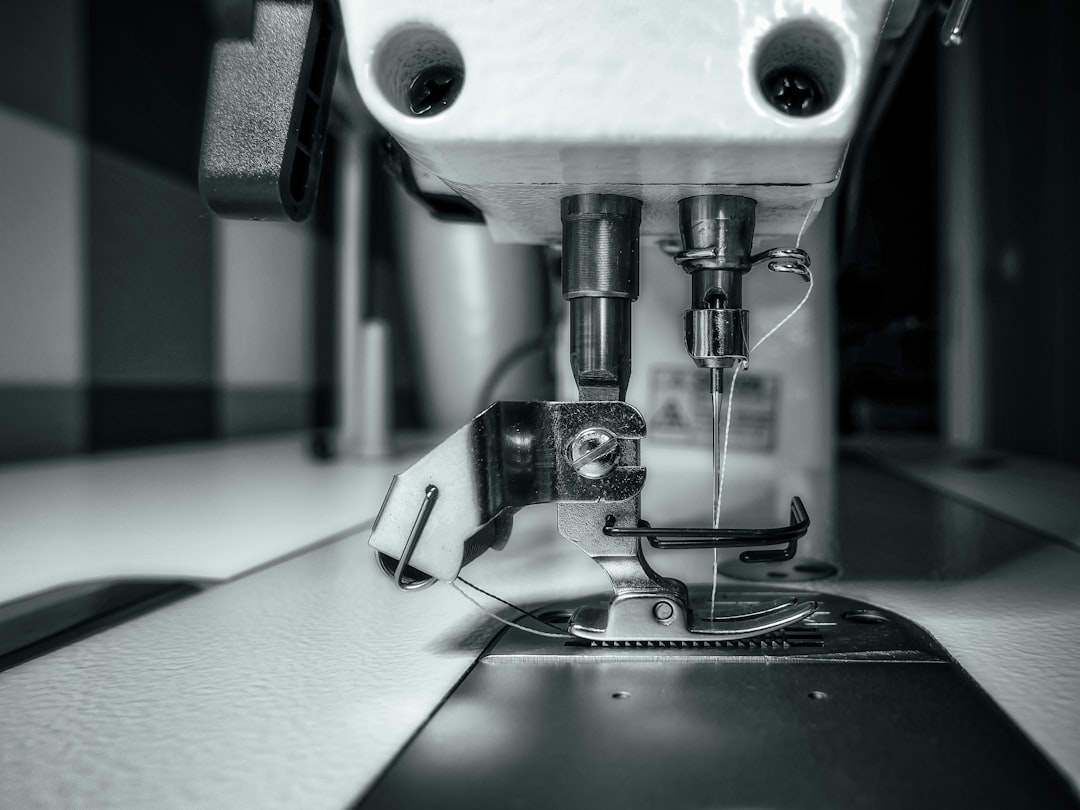
Your sewing machine will be your most significant investment. For beginners, a basic mechanical machine with straight stitch, zigzag stitch, and adjustable stitch length is perfectly adequate. You don’t need computerized features or dozens of decorative stitches when you’re just learning the fundamentals.
Look for machines from reputable brands that offer good customer support and readily available parts. Test the machine if possible—it should run smoothly, quietly, and consistently. Many beginners successfully start with entry-level models that cost between $150 and $300.
Hand-Sewing Necessities
Even if you primarily use a sewing machine, hand-sewing tools remain essential for finishing touches, repairs, and detailed work. Invest in a variety pack of hand-sewing needles in different sizes, suitable for various fabric weights.
Quality thread in neutral colors—white, black, and beige—will cover most of your initial projects. As you advance, you can expand your thread collection to match specific fabrics and projects.
Cutting and Measuring Tools
Accurate cutting and measuring make the difference between professional-looking projects and frustrating failures. Purchase fabric scissors or shears specifically designated for cutting fabric only—never use them on paper, which will dull the blades quickly.
A clear quilting ruler, measuring tape, and seam gauge will help you measure and mark fabric precisely. These tools aren’t expensive but dramatically improve your sewing accuracy.
Additional Helpful Items
Round out your sewing toolkit with these helpful items:
- Seam ripper for correcting mistakes without damaging fabric
- Pins and pincushion for holding fabric pieces together
- Fabric marking pens or chalk for transferring pattern markings
- Iron and ironing board for pressing seams and fabric
- Bobbin case with extra bobbins
🎯 Understanding Fabric Types and Their Uses
Choosing the right fabric for your project is crucial to your success. Different fabrics have different properties, and understanding these characteristics will help you select materials that work well for your skill level and intended purpose.
Cotton is the gold standard for beginner sewers. It’s affordable, forgiving, easy to work with, and doesn’t stretch or slip excessively. Quilting cotton, in particular, is excellent for learning basic sewing techniques. Start with simple cotton fabrics before moving on to more challenging materials.
Linen offers a beautiful, natural texture and breathes well, making it perfect for summer garments and home décor. However, it wrinkles easily and can fray, so it requires slightly more careful handling than cotton.
Knit fabrics like jersey and interlock are stretchy and comfortable but can be tricky for beginners because they require different techniques than woven fabrics. Save knits for after you’ve mastered the basics on stable, woven materials.
Avoid slippery fabrics like silk and satin when you’re first learning. These materials shift and slide during cutting and sewing, making them frustrating for beginners. Similarly, hold off on specialty fabrics like velvet, faux fur, and sequined materials until you’ve built more experience.

📐 Mastering Basic Sewing Techniques
With your tools assembled and fabric selected, it’s time to learn the fundamental techniques that form the foundation of all sewing projects. These skills will appear in virtually every project you undertake, so investing time to practice them properly pays enormous dividends.
Threading Your Machine and Winding Bobbins
Before you can sew a single stitch, you need to understand how to thread your machine correctly. Consult your machine’s manual for the specific threading path, as this varies by model. Generally, thread travels from the spool, through various tension guides and the take-up lever, and finally through the needle.
Winding bobbins properly ensures smooth stitching without thread bunching or breaking. Place thread on the bobbin winding spindle, follow your machine’s winding procedure, and ensure the thread winds evenly without overfilling the bobbin.
The Straight Stitch: Your Foundation
The straight stitch is the most basic and commonly used stitch in sewing. It’s used for seams, topstitching, and basting. Practice sewing straight lines on scrap fabric before starting a project. Focus on maintaining consistent speed and guiding the fabric gently without pulling or pushing.
Start by sewing parallel to the fabric edge, using the markings on your machine’s throat plate as guides. These lines indicate common seam allowances—typically ⅝ inch for garment sewing and ¼ inch for quilting.
Backstitching for Secure Seams
Backstitching at the beginning and end of seams prevents your stitches from unraveling. Most modern machines have a reverse lever or button. Sew forward a few stitches, backstitch over them, then continue forward. Repeat at the end of the seam.
Turning Corners and Curves
To turn a corner, sew until your needle reaches the corner point. With the needle down in the fabric, lift the presser foot, pivot the fabric, lower the presser foot, and continue sewing in the new direction.
For curves, sew slowly and adjust the fabric direction gradually as you go. Gentle curves require fewer adjustments, while tight curves need more frequent, small pivots to maintain a smooth line.
Understanding Seam Allowances
Seam allowance refers to the distance between the fabric edge and your stitching line. Standard garment seam allowance is ⅝ inch, though patterns may specify different measurements. Consistent seam allowances ensure pieces fit together correctly, so accuracy matters tremendously.
🧷 Your First Sewing Projects: Starting Simple
Theory and technique practice are important, but nothing builds confidence like completing actual projects. Start with simple items that teach fundamental skills without overwhelming complexity.
Project 1: Cloth Napkins or Handkerchiefs
Square cloth napkins are perfect first projects because they involve straight cutting, hemming, and corner techniques. Cut fabric squares to your desired size plus hem allowance (typically 10-12 inches plus one inch for hems). Press under ½ inch on all sides, then press under another ½ inch to enclose raw edges. Stitch close to the inner folded edge.
This project teaches you to sew straight lines, pivot at corners, and create neat hems—skills you’ll use constantly in future projects.
Project 2: Simple Drawstring Bag
A drawstring bag introduces you to sewing tubes, channels, and working in three dimensions. You’ll practice straight seams, creating a casing for the drawstring, and threading cord through a channel. These bags are practical for organizing small items, giving gifts, or storing produce.
Project 3: Pillow Cover with Zipper
Once you’re comfortable with basic seams, challenge yourself with a pillow cover featuring an invisible zipper. This project teaches zipper installation—an essential skill for garment sewing—while creating a functional home décor item.
Project 4: Simple Tote Bag
Tote bags combine multiple skills: sewing straight seams, attaching handles, boxing corners for dimension, and reinforcing stress points. They’re endlessly useful and make wonderful gifts. Start with sturdy cotton canvas or denim for best results.
🎨 Developing Your Sewing Skills Further
After mastering the basics, you’ll naturally want to expand your capabilities. The sewing world offers endless opportunities for growth and specialization.
Consider exploring garment construction once you’re comfortable with basic techniques. Start with simple patterns like elastic-waist skirts, basic t-shirts, or pajama pants. These projects introduce pattern reading, cutting from patterns, and fitting—skills that open doors to creating an entire wardrobe.
Quilting represents another popular sewing direction. Piecing fabric squares and strips, layering quilt sandwiches, and quilting techniques create beautiful, heirloom-quality blankets and wall hangings. Quilting improves accuracy and precision while producing stunning results.
Home décor sewing—curtains, cushion covers, table runners, and decorative items—allows you to personalize your living space. These projects often involve larger fabric pieces and teach you to work with heavier materials and specialized techniques like pleating and ruffles.
💡 Common Beginner Mistakes and How to Avoid Them
Every sewer makes mistakes, but learning from others’ experiences can help you avoid common pitfalls that frustrate beginners.
Many beginners skip the crucial step of reading their machine’s manual thoroughly. Your manual contains invaluable information about your specific machine’s features, maintenance requirements, and troubleshooting tips. Spend time familiarizing yourself with it before problems arise.
Another frequent mistake is neglecting to press seams as you sew. Pressing open seams or to one side creates flat, professional-looking results and makes subsequent steps easier. Make friends with your iron—it’s just as important as your sewing machine.
Rushing through projects often leads to mistakes that require time-consuming corrections. Sewing accurately the first time actually saves time compared to ripping out and redoing careless work. Take your time, especially when learning new techniques.
Using dull needles or the wrong needle type causes frustration and poor results. Change your needle regularly—after every project or eight hours of sewing—and match needle type and size to your fabric weight.
🌟 Building Your Sewing Confidence
Confidence comes from practice, experimentation, and accepting that mistakes are learning opportunities rather than failures. Every experienced sewer has a history of projects that didn’t turn out as planned—these experiences taught valuable lessons that improved their skills.
Join sewing communities, either online or in person, to connect with other sewers at various skill levels. These groups provide encouragement, answer questions, offer troubleshooting help, and inspire you with their projects. The sewing community is generally welcoming and eager to help newcomers succeed.
Document your sewing journey by photographing projects, keeping a sewing journal, or sharing on social media. Looking back at early projects shows how much you’ve progressed and motivates you to keep improving.
Set realistic goals for your sewing practice. Rather than aiming to complete complex garments immediately, focus on mastering one new technique per project. This approach builds skills systematically without overwhelming you.
🔧 Maintaining Your Equipment for Longevity
Proper maintenance keeps your sewing machine running smoothly for years and prevents frustrating breakdowns in the middle of projects.
Clean your machine regularly by removing lint and thread fragments from the bobbin area, feed dogs, and tension discs. Lint accumulation causes tension problems and can damage your machine over time. Use a small brush or canned air to clean thoroughly after every few projects.
Oil your machine according to manufacturer recommendations. Some modern machines are self-lubricating, while others require periodic oiling. Check your manual for specific instructions and use only sewing machine oil—never household oils that can gum up mechanisms.
Schedule annual professional servicing, even if your machine seems to run fine. Technicians can identify and correct small problems before they become major issues, adjust timing, and ensure your machine operates at peak performance.

🎁 The Joy of Creating with Your Own Hands
Learning to sew connects you to generations of makers who crafted items by hand with skill, patience, and creativity. In our modern world of mass production, creating something unique with your own hands brings immense satisfaction.
Sewing allows you to create meaningful, personalized gifts that show recipients you invested time and thought into something special just for them. A handmade quilt, custom-fitted garment, or carefully crafted bag carries emotional value far beyond store-bought alternatives.
As you develop your skills, you’ll discover your own style and preferences. Some sewers love precision and technical challenges, while others prefer creative, artistic expression. Sewing accommodates all approaches and allows you to pursue the aspects you find most fulfilling.
The journey from complete beginner to confident sewer happens one stitch at a time. Be patient with yourself, celebrate small victories, and remember that every expert was once a beginner who decided to keep learning. Your sewing journey begins now—enjoy every step along the way! ✂️
