
Anúncios
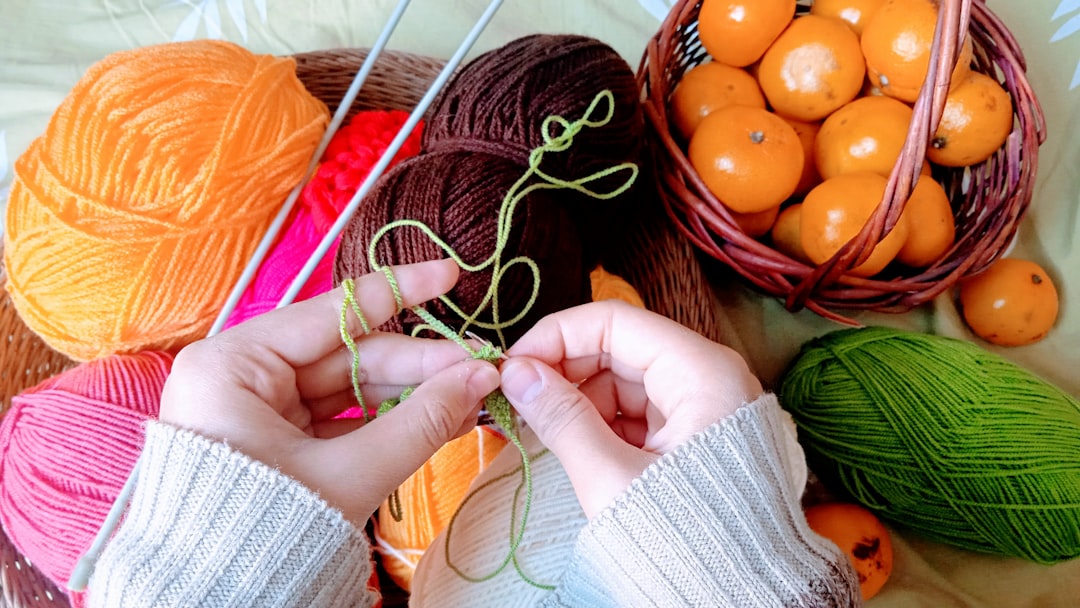
Learning to knit opens up a world of creativity, relaxation, and handmade craftsmanship that has captivated generations across cultures and continents.


Knitting is more than just a hobby—it’s a mindful practice that combines artistry with practical skill. Whether you’re drawn to the idea of creating cozy scarves, intricate sweaters, or adorable baby blankets, the journey begins with understanding the fundamentals and building confidence stitch by stitch.
Anúncios
This comprehensive guide will walk you through everything you need to know about learning to knit, from choosing your first needles to mastering essential techniques that will transform yarn into beautiful, wearable art. Let’s dive into this timeless craft that continues to inspire makers around the world. ✨
Why Learning to Knit Is Worth Your Time 🧶
Knitting offers numerous benefits that extend far beyond creating handmade items. Research shows that the repetitive motions involved in knitting can reduce stress, lower blood pressure, and promote a meditative state similar to mindfulness practices.
Anúncios
The craft also provides a genuine sense of accomplishment. Watching a project grow from a simple cast-on row to a finished garment delivers unmatched satisfaction. Many knitters describe the process as therapeutic, offering a welcome break from screen time and digital overload.
Additionally, knitting connects you to a vibrant global community. Local knitting circles, online forums, and social media groups create opportunities to share patterns, troubleshoot challenges, and celebrate finished projects with fellow enthusiasts who understand your passion.
Essential Supplies for Beginning Knitters 🎒
Starting your knitting journey doesn’t require a massive investment. A few basic supplies will set you up for success and allow you to explore the craft without overwhelming yourself with equipment.
Choosing Your First Knitting Needles
Knitting needles come in various materials, sizes, and styles. For beginners, bamboo or wooden needles in a medium size (US 7-9 or 4.5-5.5mm) work beautifully. These materials provide slight grip that prevents stitches from sliding off unexpectedly, giving you better control as you develop muscle memory.
Straight needles around 10 inches long are perfect for flat projects like scarves and dishcloths. As you progress, you’ll discover circular needles that open up possibilities for seamless garments and larger projects.
Selecting the Right Yarn
Your first yarn should be light-colored, smooth, and medium-weight (worsted or aran weight). Light colors make it easier to see individual stitches and identify mistakes, while smooth textures help needles glide through without catching.
Avoid novelty yarns with fuzzy textures, sequins, or extreme thickness when starting out. These can obscure your stitches and make learning more frustrating than it needs to be. Save those fun options for after you’ve mastered the basics!
Additional Helpful Tools
While not absolutely essential from day one, these items will quickly prove their worth:
- Scissors for cutting yarn cleanly
- Tapestry needle for weaving in ends
- Stitch markers to track pattern repeats
- Measuring tape for checking gauge and dimensions
- Row counter to track your progress
Mastering the Foundation: Your First Stitches 🌟
Every knitting project begins with three fundamental techniques: casting on, the knit stitch, and binding off. These form the building blocks for everything you’ll create.
Casting On: Creating Your First Row
The long-tail cast-on method is versatile and creates a stretchy, professional-looking edge. Begin by leaving a tail about three times the width of your intended project. Make a slip knot, place it on your needle, then use both the working yarn and tail to create loops that form your foundation row.
Practice casting on 20 stitches repeatedly until the motion feels natural. Don’t worry about perfection—consistent tension comes with repetition and time.
The Knit Stitch: Your Primary Building Block
The knit stitch creates a smooth, V-shaped texture on your fabric. Insert your right needle into the first stitch from left to right, wrap the working yarn around the right needle counterclockwise, pull through a new loop, and slide the old stitch off the left needle.
This sequence—insert, wrap, pull through, slip off—becomes second nature with practice. Many beginners find it helpful to verbalize these steps while working until muscle memory develops.

Binding Off: Finishing Your Work
When your project reaches the desired length, binding off secures your stitches so they won’t unravel. Knit two stitches, then use your left needle to lift the first stitch over the second and off the needle. Knit one more stitch and repeat this process across the row.
Leave the final stitch with extra yarn, cut the working yarn leaving a 6-inch tail, and pull it through the last loop to secure everything permanently.
Understanding the Purl Stitch: Expanding Your Repertoire 💫
Once you’re comfortable with knitting, learning to purl unlocks countless pattern possibilities. The purl stitch is essentially the reverse of a knit stitch, creating bumpy texture on the fabric’s face.
With yarn held in front of your work, insert the right needle into the first stitch from right to left (the opposite direction of a knit stitch). Wrap the yarn counterclockwise around the right needle, pull through a new loop, and slide the old stitch off.
Combining knit and purl stitches creates different textures and patterns. Alternating between the two within rows produces ribbing—that stretchy texture you see on sweater cuffs and hat brims. Working all knit stitches on one side and all purl on the reverse creates stockinette stitch, the smooth fabric used in most garments.
Common Beginner Challenges and How to Overcome Them 🔧
Every knitter encounters obstacles while learning. Recognizing common issues and knowing how to address them builds confidence and prevents frustration from derailing your progress.
Tension Troubles
Inconsistent tension—how tightly or loosely you hold your yarn—creates uneven fabric with some stitches larger than others. This improves naturally with practice, but consciously relaxing your shoulders and hands helps tremendously.
Experiment with different ways of holding your yarn until you find a method that feels comfortable and produces consistent results. There’s no single “correct” way—continental, English, and Portuguese styles all work beautifully.
Accidentally Adding or Losing Stitches
Counting your stitches at the end of each row helps catch errors early. Extra stitches often result from accidentally working into the space between stitches or splitting yarn. Missing stitches typically happen when you drop one off the needle unintentionally.
Learn to recognize what a properly formed stitch looks like so you can spot mistakes before they travel too far up your work. Placing a stitch marker after every 10 or 20 stitches makes counting easier on larger projects.
Twisted Stitches
Stitches can become twisted if you insert your needle incorrectly or wrap yarn the wrong direction. Twisted stitches create tighter, less elastic fabric and can throw off pattern designs.
Always ensure the right leg of each stitch sits in front of your needle before working it. If you notice consistent twisting, review video tutorials showing proper needle insertion and yarn wrapping techniques.
Perfect First Projects to Build Your Skills 🎁
Choosing appropriate projects for your skill level maintains motivation and builds competence progressively. Starting with simple designs lets you focus on perfecting basic techniques before tackling complex patterns.
Dishcloths and Washcloths
These quick projects use cotton yarn and simple stitch patterns to create practical items in just a few hours. The immediate gratification reinforces learning while producing useful results you can keep or gift.
Working with cotton also provides excellent stitch definition, making it easy to see and understand what your needles are creating with each movement.
Basic Scarves
A simple garter stitch scarf (knitting every row) remains one of the most satisfying beginner projects. The repetitive nature builds muscle memory while creating a cozy accessory you’ll actually wear.
Choose a luxurious yarn you love—working with beautiful materials makes practice feel less like work and more like creative expression.
Simple Headbands
Headbands require less yarn and time than scarves but introduce shaping techniques and finishing methods. Many beginner-friendly patterns incorporate basic increases or decreases, gently expanding your technical repertoire.
Reading Knitting Patterns: Decoding the Language 📖
Knitting patterns use standardized abbreviations and formatting that seem cryptic at first but become intuitive with exposure. Understanding this language opens access to thousands of designs created by makers worldwide.
Common abbreviations include K (knit), P (purl), CO (cast on), BO (bind off), RS (right side), and WS (wrong side). Patterns also specify needle sizes, yarn weights, and gauge—the number of stitches and rows per inch that ensures your finished piece matches intended dimensions.
Start with patterns labeled “easy” or “beginner-friendly” that include detailed instructions rather than just charted symbols. As your comprehension grows, you’ll naturally progress to more complex pattern formats.
Gauge: Why Those Little Squares Matter 📏
Gauge refers to stitch and row density in your knitting. While it seems tedious, creating a gauge swatch before starting garment projects prevents heartbreaking sizing issues after investing hours of work.
Patterns specify required gauge, such as “20 stitches and 28 rows = 4 inches in stockinette stitch.” Knit a sample square slightly larger than 4 inches, measure the center portion, and adjust needle size if your gauge doesn’t match—larger needles create looser fabric with fewer stitches per inch, while smaller needles tighten things up.
For non-fitted items like scarves and blankets, gauge matters less. But for sweaters, hats, and socks, taking time to match gauge ensures your finished project actually fits as intended.
Fixing Mistakes Without Unraveling Everything 🩹
Discovering an error several rows back doesn’t necessarily mean ripping out all your progress. Learning to “unknit” (working backward stitch by stitch) or drop down to a specific stitch and rebuild it saves time and frustration.
For small mistakes in non-critical areas, sometimes the best solution is simply continuing forward. Handmade items carry character, and minor imperfections often go completely unnoticed by anyone except the maker.
More significant errors in lace or colorwork patterns warrant correction, but simple scarves and practice pieces can embrace their quirks as part of your learning journey.
Building Speed and Rhythm Naturally ⏱️
New knitters often focus intensely on speed, but velocity develops naturally as technique improves. Prioritize consistent, correct motions over rushing through stitches.
Create a comfortable knitting space with good lighting and proper support for your arms. Many knitters find background music or podcasts help establish rhythm without requiring visual attention that could distract from your work.
Regular practice—even just 15 minutes daily—builds skill faster than occasional marathon sessions. Your hands need time to develop muscle memory and strength specific to knitting motions.
Joining the Knitting Community 👥
Connecting with other knitters enriches your experience and accelerates learning through shared knowledge and encouragement. Local yarn shops often host knitting circles where beginners receive welcoming support and guidance.
Online platforms like Ravelry provide access to millions of free patterns, project galleries showing real makers’ finished objects, and forums where experienced knitters answer questions and troubleshoot problems.
Social media communities on Instagram and YouTube offer inspiration, tutorials, and virtual companionship. Following makers whose aesthetic resonates with you provides ongoing motivation and introduces new techniques organically.
Exploring Different Knitting Styles and Techniques 🌍
As your foundation solidifies, exploring various knitting traditions and specialized techniques keeps the craft fresh and challenging. Continental knitting (holding yarn in the left hand) often feels faster and more efficient than English style (yarn in right hand), though both produce identical results.
Colorwork introduces methods for incorporating multiple yarn colors within the same project. Fair Isle and intarsia techniques create stunning visual effects that transform simple stitches into intricate designs.
Lace knitting uses strategic yarn-overs and decreases to create delicate, open patterns. Cable knitting involves crossing stitches to form rope-like textures that add dimension and visual interest to garments.
Caring for Your Handknit Creations 🧺
Proper care ensures your handknit items remain beautiful for years. Always check yarn labels for specific washing instructions—some fibers tolerate machine washing, while others require gentle hand washing.
Wool and animal fibers benefit from lanolin-based washes that preserve natural oils. Lay knitted items flat to dry rather than hanging them, which can stretch and distort the fabric under its own weight.
Store woolens with cedar blocks or lavender sachets to deter moths. Fold sweaters rather than hanging them on hooks or hangers that create shoulder bumps and stretched-out shapes.
Setting Realistic Expectations and Celebrating Progress 🎉
Learning any new skill involves patience with yourself during the awkward early stages. Your first projects won’t resemble professional-quality work from experienced makers, and that’s completely normal and expected.
Celebrate small victories—your first completed row, mastering the purl stitch, finishing your first project. These milestones mark genuine progress even when Instagram feeds showcase impossibly perfect creations.
Remember that every expert knitter started exactly where you are now, struggling with tension and dropping stitches. The difference between beginners and advanced knitters is simply time spent practicing and learning from mistakes.
Knitting as Meditation and Self-Care 🧘
Beyond creating tangible objects, knitting offers profound mental health benefits. The rhythmic, repetitive motions activate the same neural pathways as meditation, inducing calm and reducing anxiety.
Many knitters describe entering a “flow state” where hours pass unnoticed while completely absorbed in their work. This focused engagement provides respite from racing thoughts and constant digital stimulation.
Creating something beautiful with your hands generates dopamine and serotonin—neurotransmitters associated with pleasure and well-being. The tangible evidence of your effort reinforces self-efficacy and accomplishment in ways passive entertainment never can.
Where Your Knitting Journey Leads Next 🚀
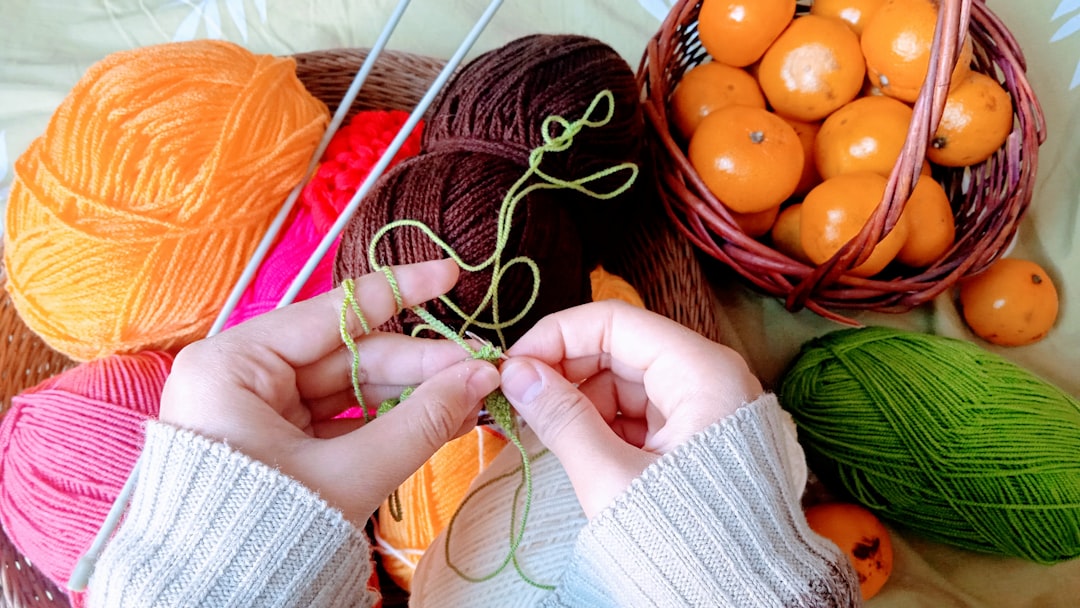
After mastering fundamentals, endless possibilities await. You might gravitate toward intricate lace shawls, cozy sweaters, colorful socks, or sculptural art pieces that push traditional boundaries.
Some knitters develop entrepreneurial ventures selling finished goods or designing patterns for others. Others find deep satisfaction in charity knitting, creating items for hospitals, shelters, and community organizations.
The beauty of knitting lies in its flexibility—you define what success looks like based on your personal goals and interests. Whether you knit daily or pick up needles occasionally, the skills you develop remain accessible whenever creativity calls.
Learning to knit connects you to centuries of textile tradition while offering thoroughly modern stress relief and creative expression. The journey from awkward beginner to confident maker unfolds one stitch at a time, with each project strengthening both your skills and your passion for this timeless craft. Pick up those needles, cast on your first stitches, and discover where this beautiful practice leads you. 🧶✨
