
Anúncios
Learning to play piano online has never been more accessible, engaging, or effective than it is today with modern apps and platforms designed for all skill levels.


The digital revolution has transformed how we approach music education. Traditional piano lessons, while valuable, often require significant time commitments, expensive tuition fees, and scheduling flexibility that many people simply don’t have. Online piano learning platforms have democratized music education, making it possible for anyone with a smartphone, tablet, or computer to begin their musical journey from the comfort of home.
Anúncios
Whether you’re a complete beginner who’s never touched a key, a parent looking to introduce your child to music, or someone who played years ago and wants to rekindle that passion, online piano learning offers a flexible, affordable, and surprisingly effective path forward. The technology behind these platforms has evolved dramatically, incorporating instant feedback, gamification, and adaptive learning techniques that keep students engaged and progressing at their own pace.
🎹 Why Choose Online Piano Learning?
The benefits of learning piano online extend far beyond simple convenience. Modern piano learning apps utilize sophisticated audio recognition technology that listens as you play, providing immediate feedback on accuracy, timing, and technique. This instant response mechanism creates a learning loop that traditional methods struggle to match, especially when practicing independently between lessons.
Anúncios
Cost-effectiveness stands out as one of the most compelling advantages. Traditional piano lessons can easily cost $30-$100 per hour, adding up to hundreds or even thousands of dollars annually. Online platforms typically offer subscription models at a fraction of that cost, often including unlimited access to comprehensive lesson libraries, practice exercises, and song catalogs that would take years to accumulate through traditional sheet music purchases.
Flexibility transforms the learning experience entirely. You’re no longer bound by appointment times or location constraints. Practice at 6 AM before work, during your lunch break, or late at night when the house is quiet. This adaptability significantly increases practice consistency, which research consistently shows as the single most important factor in musical progress.
📱 The Technology Behind Digital Piano Education
Today’s piano learning applications employ advanced audio recognition algorithms that can detect which notes you’re playing in real-time. The system listens through your device’s microphone or connects directly to digital pianos via MIDI, analyzing your performance with remarkable accuracy. This technology allows the app to pause lessons when you make mistakes, highlight correct and incorrect notes visually, and adjust the lesson pace based on your proficiency.
Gamification elements make practice sessions genuinely enjoyable rather than tedious. Progress bars, achievement badges, daily streaks, and skill assessments tap into the same psychological rewards that make games engaging. These features aren’t just superficial additions—they address one of music education’s biggest challenges: maintaining motivation during the inevitable plateaus every learner experiences.
🎼 What You’ll Actually Learn
Comprehensive online piano courses cover all essential elements of piano playing. You’ll start with proper hand positioning, posture, and finger numbering—fundamentals that prevent bad habits from forming early. The curriculum typically progresses through reading music notation, understanding rhythm and timing, chord structures, scales, and eventually complex pieces across multiple genres.
Most platforms organize content into structured learning paths that build skills progressively. Beginners might start with simple single-note melodies using the right hand, gradually introducing the left hand, then combining both for coordination exercises. As proficiency develops, lessons incorporate music theory concepts like key signatures, time signatures, dynamics, and expression techniques that transform mechanical playing into genuine musical performance.
🎵 From First Notes to Full Songs
The journey typically unfolds in carefully designed stages. Initial lessons focus on familiarizing yourself with the keyboard layout and producing clear, confident single notes. Within the first few sessions, most learners play recognizable simple melodies—an achievement that provides crucial early motivation.
As you advance, the curriculum introduces chord progressions, the foundation of countless songs across all genres. Understanding and executing chord transitions unlocks the ability to accompany yourself while singing or to play simplified versions of popular music. Many online platforms include extensive song libraries with varying difficulty levels, allowing you to apply newly learned techniques to music you actually want to play.

🏠 Setting Up Your Home Learning Environment
Creating an effective practice space doesn’t require a professional studio. The essential requirement is a keyboard or piano—digital keyboards work perfectly and offer distinct advantages for online learning. Look for instruments with at least 61 keys (full 88-key keyboards are ideal but not initially necessary), touch-sensitive keys that respond to how hard you press them, and ideally MIDI connectivity for direct app integration.
Your practice space should be comfortable and distraction-free. Position your device (phone, tablet, or computer) where you can easily see instructions while maintaining proper playing posture. Good lighting prevents eye strain during extended practice sessions, and a comfortable seat at the correct height ensures you’re not fighting physical discomfort while trying to focus on technique.
💻 Technical Requirements and Equipment
Most piano learning apps work seamlessly on smartphones, tablets, and computers. A device with a decent microphone is essential if you’re using audio recognition features with an acoustic piano or keyboard without MIDI capability. For optimal results, consider these equipment options:
- Digital Piano or Keyboard: Touch-sensitive keys and MIDI connectivity provide the best learning experience
- Tablet or iPad: Larger screens make following lessons easier compared to smartphones
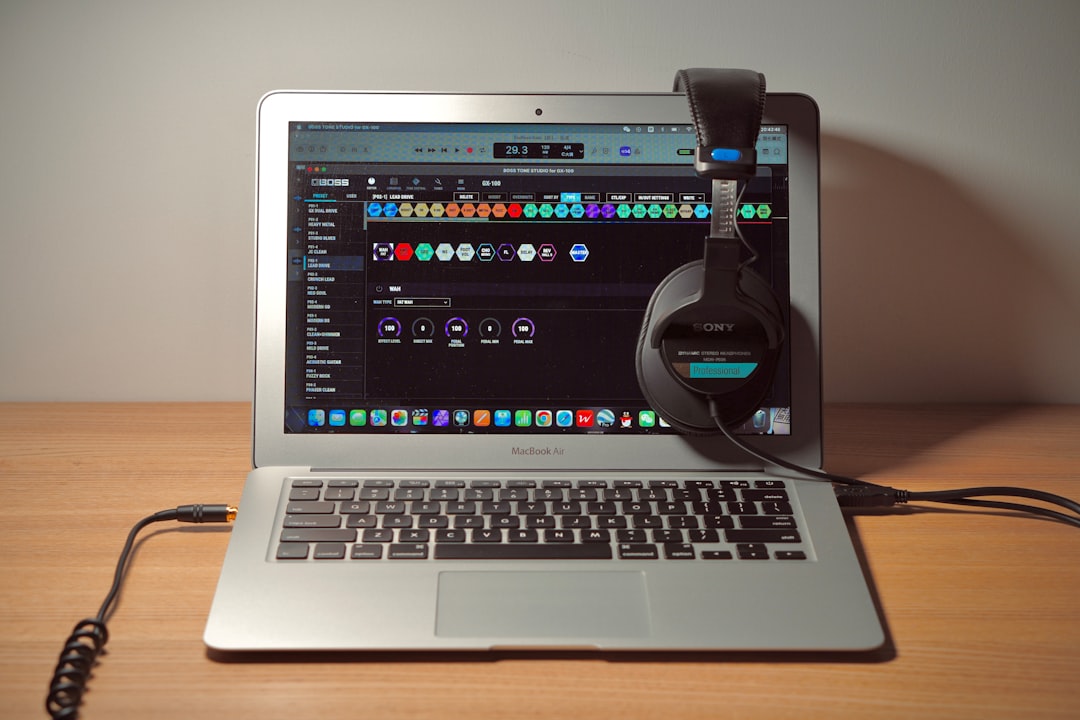
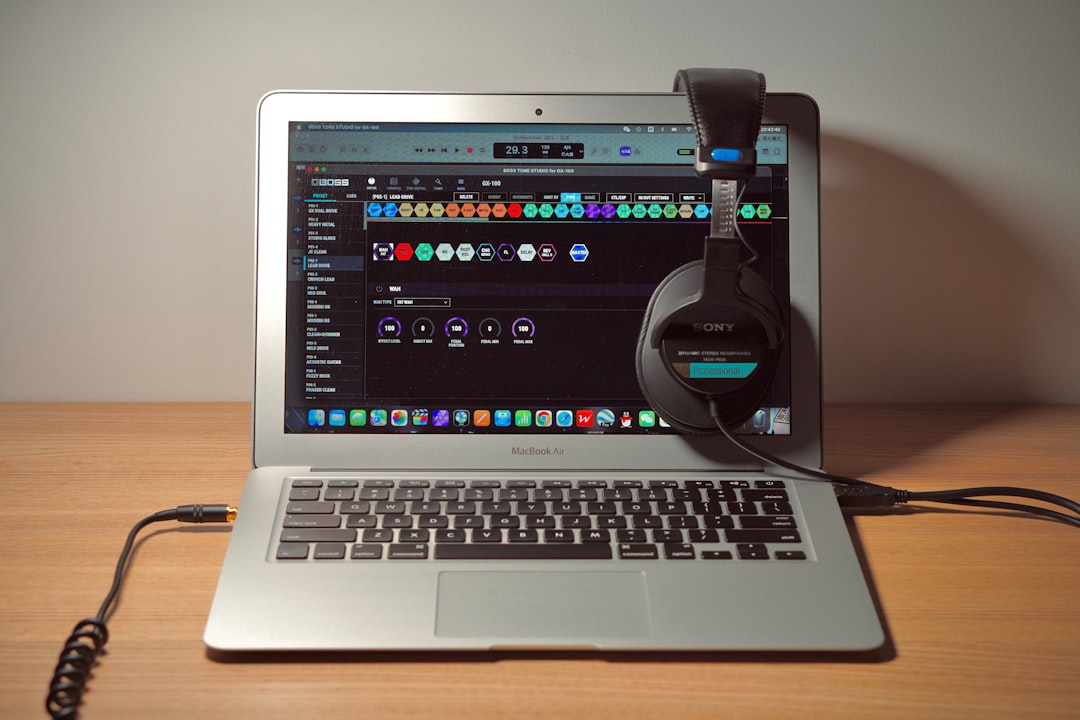
- Headphones: Essential for practicing without disturbing others, especially in apartments or late at night
- Adjustable Bench: Proper seating height dramatically affects technique and comfort
- Music Stand: Useful when progressing to traditional sheet music alongside app lessons
⏰ Creating an Effective Practice Schedule
Consistency outweighs duration when building piano skills. Research in motor learning demonstrates that regular short practice sessions produce better results than occasional marathon sessions. Fifteen focused minutes daily will advance your skills more effectively than two hours practiced once weekly. The brain consolidates motor skills during rest periods between practice, making daily repetition particularly powerful.
Structure your practice sessions with clear objectives. Begin with warm-up exercises—scales, arpeggios, or finger exercises that prepare your hands and mind. Move into lesson content, working through new material or reviewing challenging sections from previous lessons. Conclude with enjoyable playing time: pieces you’ve mastered or simplified versions of favorite songs. This structure maintains technical development while keeping practice enjoyable.
📊 Tracking Progress and Setting Goals
Most online piano platforms include built-in progress tracking, showing completion percentages, skills mastered, and practice streaks. Leverage these metrics to maintain motivation, but supplement them with personal goal-setting. Define specific, measurable objectives like “master all major scales” or “play my favorite song at full tempo by month’s end.” Breaking larger goals into weekly milestones creates a clear roadmap and regular achievement moments.
Recording yourself periodically provides valuable perspective on your progress. Monthly recordings reveal improvements that daily incremental changes make difficult to notice. These recordings also help identify technical issues—perhaps you’re rushing certain passages or your left hand volume overwhelms the right hand melody—that you can then address intentionally.
🎯 Overcoming Common Challenges
Every piano learner encounters obstacles, and recognizing common challenges helps you navigate them effectively. Hand coordination—playing different rhythms or melodies simultaneously with each hand—frustrates beginners universally. The solution involves patience and targeted practice: master each hand’s part independently before attempting coordination, and slow the tempo dramatically until coordination feels comfortable.
Motivation plateaus strike even enthusiastic learners. Progress feels rapid initially as fundamental skills develop, but improvement curves naturally flatten as you advance. During these periods, revisit earlier lessons to appreciate how far you’ve progressed, explore new musical genres within your skill level, or set fresh specific challenges like learning a particular song that excites you.
🤔 When to Supplement with Traditional Instruction
Online learning provides exceptional foundations and carries many students to impressive proficiency levels. However, some situations benefit from supplemental traditional instruction. If you’re pursuing professional music goals, preparing for formal examinations, or reaching advanced levels where subtle technique refinements matter significantly, periodic lessons with experienced teachers provide valuable personalized guidance.
Hybrid approaches combine online platform benefits with occasional in-person instruction. Many students use apps for consistent daily practice and skill building while scheduling monthly or quarterly sessions with local teachers for technique assessment, personalized feedback, and advanced guidance. This approach maximizes cost-effectiveness while ensuring technical development remains sound.
🌟 Beyond the Basics: Advanced Online Learning
As your skills develop, online platforms offer pathways into specialized areas. Jazz piano courses teach improvisation techniques, complex chord voicings, and the rhythmic sophistication this genre demands. Classical training modules guide students through progressive difficulty levels of repertoire, from Bach’s simpler inventions through romantic-era masterworks. Contemporary courses focus on popular music, covering everything from singer-songwriter accompaniment patterns to complex arrangements of current hits.
Music theory integration deepens understanding beyond mechanical playing. Comprehensive platforms weave theoretical concepts throughout practical lessons, explaining why chord progressions work, how key relationships affect emotional tone, and how recognizing patterns accelerates sight-reading. This knowledge transforms you from someone who plays notes into a musician who understands and interprets music.
👨👩👧👦 Piano Learning for Different Age Groups
Online piano education serves all demographics effectively with age-appropriate approaches. Children as young as five successfully learn through gamified platforms featuring colorful characters, simple language, and extremely gradual progression. These courses introduce music fundamentals playfully while building the coordination and focus required for more advanced study later.
Adults bring advantages including stronger focus, self-discipline, and clear motivation, but sometimes struggle with perfectionism or frustration when progress doesn’t match expectations. Adult-focused courses acknowledge these patterns, emphasizing enjoyment alongside achievement and setting realistic progress expectations. Many adults find the private, judgment-free environment of home learning particularly comfortable compared to traditional lessons where they might feel self-conscious.
Senior learners discover piano study offers cognitive benefits beyond musical enjoyment. Research demonstrates that learning instruments enhances memory, maintains fine motor skills, and provides the mental stimulation associated with healthy cognitive aging. Online platforms remove barriers like transportation challenges and accommodate physical considerations like larger note displays and adjustable lesson pacing.
🎁 The Broader Benefits of Piano Learning
Piano study delivers rewards extending far beyond musical ability. Cognitive research consistently demonstrates that music training enhances memory, mathematical reasoning, and pattern recognition. The discipline required for regular practice builds executive function skills applicable throughout life. Coordination challenges strengthen neural pathways, with some research suggesting musicians maintain cognitive sharpness longer into aging.
Emotional benefits prove equally significant. Playing piano provides creative expression outlets, stress relief, and genuine accomplishment feelings that boost self-confidence. For many people, those daily practice minutes become meditative breaks from life’s pressures—focused attention on something beautiful that demands presence and gradually reveals mastery through sustained effort.
🚀 Taking the First Step Today
Beginning your piano learning journey requires surprisingly little: a willingness to practice regularly, access to a keyboard or piano, and commitment to the process. The technological tools available today remove traditional barriers while providing structure, feedback, and motivation that make consistent progress achievable for anyone willing to invest the time.
The perfect moment to start isn’t after you’ve purchased the ideal piano, cleared your schedule, or resolved to practice two hours daily. It’s now, with whatever instrument you can access and whatever realistic time commitment fits your life. Most successful piano learners began not with perfect conditions but with simple action—downloading an app, sitting at a keyboard, and playing their first tentative notes. Every accomplished pianist you’ve ever admired started exactly there.
Your musical journey begins with that first chord, that first scale, that first simple melody that sounds rough initially but gradually smooths into something recognizable, then beautiful. Online learning platforms provide the roadmap, but you provide the commitment and consistency that transform possibility into reality. The piano isn’t just an instrument you’ll learn to play—it’s a lifelong companion offering creative expression, intellectual challenge, and pure joy. Start today, practice tomorrow, and continue building a skill that enriches your entire life. 🎹✨
