
Anúncios
Learning to sew online has never been easier, offering flexibility, affordability, and access to expert guidance right from your home.


The digital age has transformed how we acquire new skills, and sewing is no exception. Whether you’re dreaming of creating your own wardrobe, repairing clothing sustainably, or starting a handmade business, online sewing courses provide structured learning paths tailored to every level.
Anúncios
With countless tutorials, apps, and virtual classes available, aspiring sewists can now master everything from threading a needle to constructing complex garments without stepping into a traditional classroom. The key is knowing where to start and how to make the most of these digital resources. ✂️
Why Choose Online Sewing Education? 🌐
Online sewing courses offer unmatched convenience. You can learn at your own pace, revisit challenging lessons, and practice whenever your schedule allows. Unlike traditional classes with fixed schedules, digital platforms adapt to your lifestyle rather than forcing you to adapt to theirs.
Anúncios
Cost-effectiveness is another major advantage. Many quality resources are free or significantly cheaper than in-person workshops. You save on commuting time and expenses while accessing instructors from around the world who specialize in different techniques and styles.
The variety available online is staggering. From vintage dressmaking to modern quilting, sustainable fashion to costume design, there’s a course for every interest. You can explore different sewing niches before committing to one, helping you discover your true passion within the craft.
Essential Tools and Materials for Beginners 🧵
Before diving into online lessons, gathering the right tools makes your learning journey smoother. You don’t need expensive equipment to start—basic supplies will serve you well as you develop your skills.
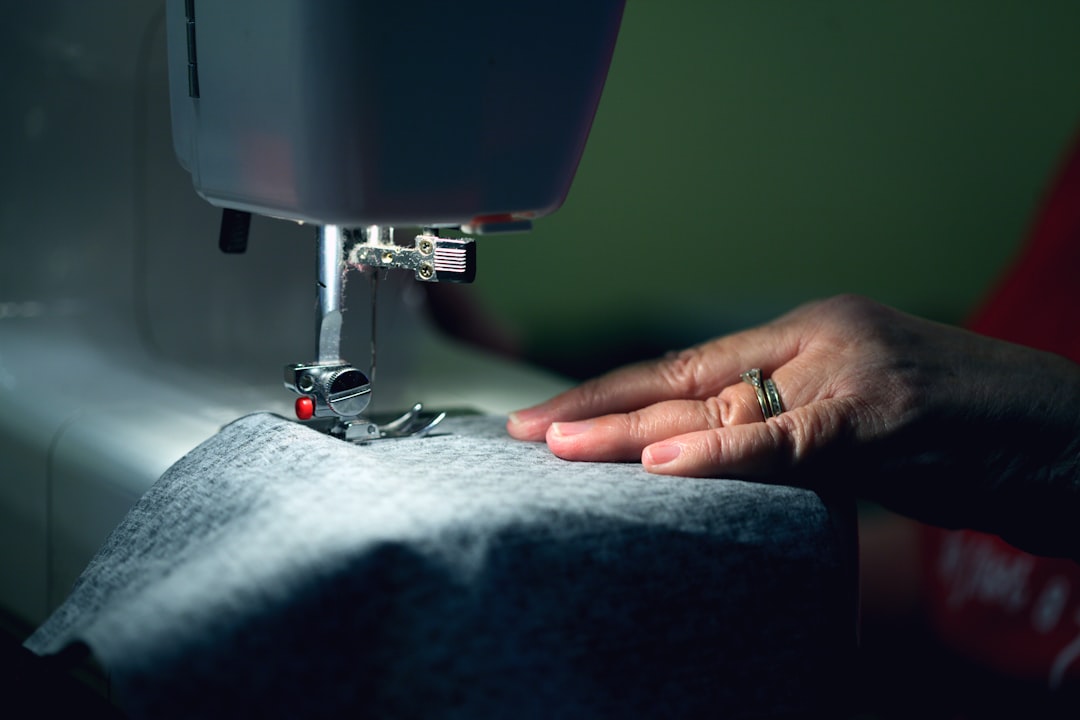
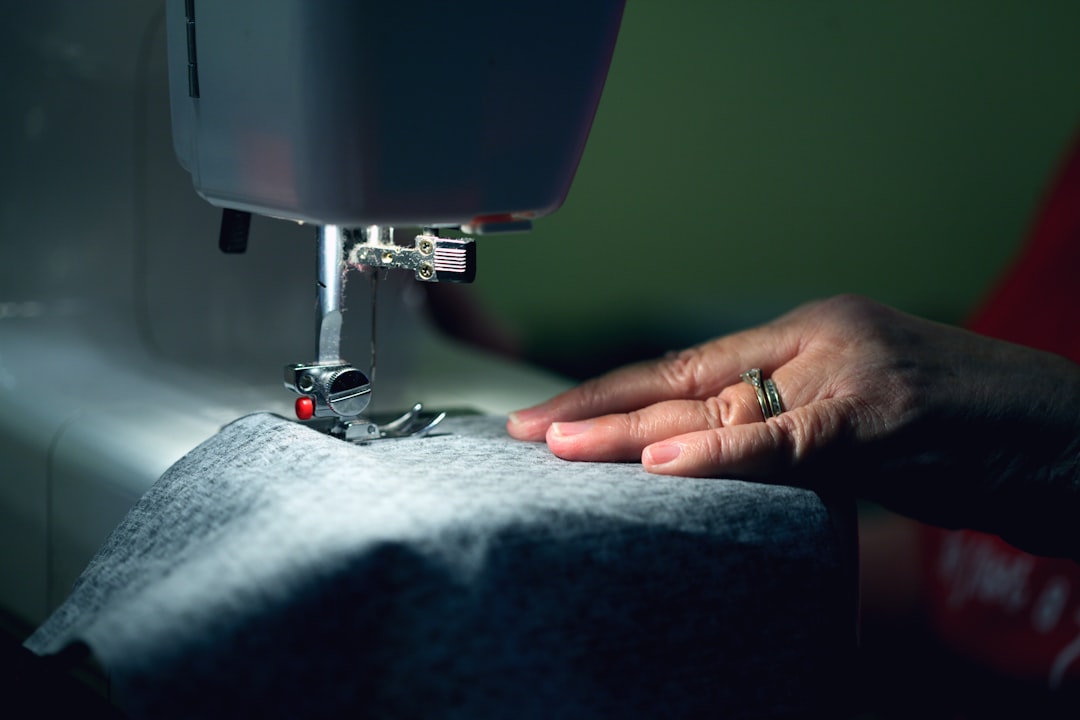
A reliable sewing machine is your primary investment. For beginners, a simple mechanical model with straight and zigzag stitches is sufficient. Brands like Brother, Singer, and Janome offer affordable entry-level machines that are perfect for learning fundamental techniques.
Hand-sewing supplies remain essential even when using machines. Invest in quality scissors designated solely for fabric, various needle sizes, pins, a seam ripper, measuring tape, and marking tools. These basics will accompany you throughout your entire sewing journey.
Fabric choice matters tremendously when starting out. Cotton quilting fabric is forgiving, affordable, and easy to handle. Avoid slippery materials like silk or stretchy knits until you’ve mastered the basics on stable, woven fabrics that behave predictably.
Top Online Platforms for Learning to Sew 📱
YouTube remains one of the most accessible resources for free sewing education. Channels like “Professor Pincushion,” “Evelyn Wood,” and “Made to Sew” offer comprehensive tutorials covering everything from basic stitches to advanced pattern alterations.
Dedicated sewing apps provide structured learning paths with progress tracking. Mobile applications combine video lessons, written instructions, and pattern libraries in user-friendly interfaces designed specifically for sewists at all levels.
Subscription platforms like Craftsy and Skillshare host professional courses taught by industry experts. These paid services offer higher production quality, downloadable resources, and often include community features where students can share projects and receive feedback.
Social media groups on Facebook and Reddit create supportive communities where beginners can ask questions, troubleshoot problems, and gain inspiration from fellow learners. The collective knowledge in these groups is invaluable for overcoming common challenges.
Mastering Fundamental Techniques Step-by-Step 👗
Every sewing journey begins with threading your machine correctly. This seemingly simple task frustrates many beginners, but online video tutorials allow you to pause, rewind, and watch closely as instructors demonstrate proper threading paths for different machine models.
Straight stitching comes next—the foundation of all machine sewing. Practice on scrap fabric, focusing on maintaining consistent seam allowances and smooth, even stitches. Online courses typically include exercises that build muscle memory through repetition with varied fabrics and stitch lengths.
Understanding seam finishes prevents fraying and gives your projects a professional appearance. Zigzag stitches, French seams, and flat-felled seams each serve different purposes. Digital lessons demonstrate when and how to use each technique, with close-up footage showing exactly what your work should look like.
Pattern reading is perhaps the most intimidating skill for newcomers. Online courses break down pattern symbols, sizing, and layout systematically. Interactive tutorials often include printable practice patterns that teach you to recognize markings, grain lines, and construction sequences without the pressure of cutting into expensive fabric.
Common Beginner Mistakes and How to Avoid Them ⚠️
Rushing through preparation causes many early frustrations. Skipping fabric pre-washing, neglecting to press seams, or failing to test stitch settings leads to disappointing results. Online instructors consistently emphasize these preparatory steps, explaining why they matter for finished quality.
Choosing overly complex first projects sets unrealistic expectations. That gorgeous jacket with princess seams and a lining might look enticing, but starting with simple items like pillowcases, tote bags, or elastic-waist skirts builds confidence through achievable success.
Ignoring tension settings creates puckered seams and thread nests. Digital tutorials demonstrate how proper tension looks compared to common problems, teaching you to diagnose and adjust settings for different fabric weights and thread types.
Poor cutting technique wastes fabric and creates fitting issues. Online lessons stress the importance of sharp tools, accurate pattern placement, and careful cutting. Video demonstrations show proper body positioning and cutting motions that yield precise pieces.
Building Your Skills: Project Ideas by Level 🎯
Absolute beginners should start with non-fitted items that require minimal shaping. Cloth napkins, simple drawstring bags, and basic pillowcases teach essential skills without overwhelming you with complexity. These projects provide quick gratification and useful finished products.
Once comfortable with straight seams, progress to slightly more challenging items. Zipper pouches, aprons with pockets, and simple scarves introduce new techniques like installing zippers, creating corners, and working with interfacing while remaining manageable.
Intermediate sewists can tackle garments with some shaping. Elastic-waist pants, gathered skirts, and basic tops teach garment construction principles, fitting basics, and finishing techniques. Online courses at this level often include fitting adjustments and basic alterations.
Advanced projects incorporate tailoring techniques, multiple fabric layers, and precise fitting. Structured jackets, dresses with zippers and linings, and pants with fly fronts challenge your skills while online instruction guides you through complex construction sequences step-by-step.
Understanding Fabrics and Their Characteristics 🧶
Fabric knowledge transforms your sewing from guesswork to informed decision-making. Online resources typically categorize fabrics by fiber content, weave structure, and weight, explaining how these characteristics affect drape, durability, and appropriate uses.
Natural fibers like cotton, linen, wool, and silk each behave differently under the needle. Digital courses demonstrate how to adjust machine settings, needle types, and sewing techniques for various natural materials, preventing common issues like puckering or skipped stitches.
Synthetic and blended fabrics present their own challenges and advantages. Polyester, rayon, spandex blends, and performance fabrics require specific handling techniques that online tutorials explain thoroughly, including pressing temperatures and appropriate stabilizers.
Knit fabrics intimidate many sewists, but online instruction demystifies stretch materials. Videos show specialized stitches, proper needle choices, and techniques for preventing wavy hems and stretched-out seams when working with jersey, rib knit, and other stretchy textiles.
The Role of Patterns in Your Sewing Journey 📐
Commercial patterns from companies like Simplicity, McCall’s, and Burda provide time-tested designs with detailed instructions. Online communities review patterns extensively, helping you choose appropriate options for your skill level and body type before purchasing.
Independent pattern designers have flourished in the digital age, offering modern styles with excellent instructions often superior to traditional companies. These designers frequently provide online sew-alongs—guided group projects where the designer walks participants through construction via blog posts or videos.
PDF patterns downloaded instantly eliminate shipping waits and often cost less than traditional patterns. Online tutorials teach proper printing, assembly, and size selection for digital patterns, opening access to international designers and indie companies.
Pattern hacking and modification extend pattern usefulness infinitely. Digital courses teach how to lengthen, shorten, combine, and customize patterns to create unique garments. These skills transform a small pattern collection into endless wardrobe possibilities.
Creating a Productive Sewing Space at Home 🏠
Dedicated sewing space, even if small, dramatically improves your learning experience. Online organizers and sewing bloggers share creative solutions for maximizing limited areas, from fold-down cutting tables to pegboard storage systems that keep tools accessible.
Good lighting prevents eye strain and helps you see details clearly. Natural light is ideal, but adjustable LED task lighting works well for evening sewing sessions. Online tutorials often discuss lighting setups that illuminate your needle area without creating harsh shadows.
Ergonomic considerations protect your body during extended sewing sessions. Digital resources address proper chair height, machine positioning, and regular stretching to prevent back, neck, and shoulder discomfort that can discourage consistent practice.
Organization systems keep supplies manageable as your collection grows. Thread storage, fabric filing methods, and notion organization solutions shared in online communities help you find what you need quickly, maintaining creative momentum rather than wasting time searching.
Joining the Online Sewing Community 💬
Instagram sewists share daily inspiration, finished projects, and progress updates using hashtags like #sewingcommunity and #memade. Following makers whose style resonates with yours provides motivation and exposes you to new techniques and pattern companies.
Sewing blogs offer in-depth tutorials, pattern reviews, and personal sewing journeys. Bloggers often respond to comments and questions, creating personalized learning opportunities beyond what generic tutorials provide. Many maintain archives searchable by technique or project type.
Virtual sew-alongs create accountability and camaraderie. Participants work on the same project simultaneously, sharing progress and troubleshooting together. These events, often free, combine structured learning with community support that keeps motivation high.
Online challenges like “Me-Made-May” or seasonal sewing contests encourage regular practice while connecting you with sewists worldwide. Participating pushes your skills forward while celebrating accomplishments with an appreciative audience who understands the effort involved.
Troubleshooting Common Sewing Problems 🔧
Thread tension issues plague sewists at all levels. Online diagnostic guides use photographs comparing correct tension to various problems, teaching you to identify whether your issue stems from upper tension, bobbin tension, or threading errors. Step-by-step videos demonstrate adjustments for different machine types.
Skipped stitches frustrate beginners especially. Digital resources explain the multiple causes—wrong needle type, dull needle, improper threading, or timing issues—and how to systematically eliminate possibilities. Visual comparisons help you recognize this problem versus others with similar appearances.
Fabric puckering has numerous causes that online tutorials help diagnose. Whether your issue comes from too-tight tension, pulling fabric through the machine, or incompatible thread weight, video demonstrations show both the problem and its solution clearly.
Needle breakage can seem mysterious until you understand the causes. Online instruction explains how sewing over pins, using wrong needle types for your fabric, or pulling fabric while sewing leads to breakage, preventing expensive repairs and safety hazards.
Advancing to Professional-Level Skills 🌟
Tailoring techniques elevate home-sewn garments to custom quality. Online courses in pad stitching, underlining, hand-picked zippers, and proper pressing techniques teach time-intensive methods that create couture finishes distinguishable from mass-produced clothing.
Pattern drafting and fitting unlock true garment customization. Digital instruction in measuring, creating slopers, and drafting basic blocks empowers you to design original pieces or perfectly fit commercial patterns to your unique body, eliminating frustrating alterations.
Specialized construction methods for specific garments types require dedicated study. Online courses focusing solely on bras, swimwear, outerwear, or historical costumes provide depth impossible in general sewing classes, taught by experts in those specific niches.
Professional finishing techniques separate amateur work from refined pieces. Bound buttonholes, Hong Kong seam finishes, invisible hems, and proper interfacing application all contribute to garments that look and feel professionally made—skills thoroughly documented in advanced online courses.
Sustainable Sewing and Upcycling Projects ♻️
Learning to sew positions you perfectly to embrace sustainable fashion. Creating your own clothing reduces reliance on fast fashion’s environmental damage while online communities share tips for sourcing ethical fabrics and making garments that last years rather than seasons.
Upcycling transforms worn clothing into new pieces, reducing waste creatively. Digital tutorials demonstrate deconstructing garments safely, planning new designs from limited materials, and combining multiple source garments into cohesive finished projects that look intentionally designed.
Repair skills extend garment life significantly. Online instruction in mending techniques, replacing zippers, reattaching buttons, and invisible patching helps you maintain your wardrobe sustainably while developing valuable skills applicable to sewing projects.
Fabric remnant projects use scraps efficiently, preventing waste. Online pattern collections specifically designed for small yardage—masks, scrunchies, fabric bowls, and scrap quilts—ensure nothing goes unused while creating functional or giftable items.
Turning Your Sewing Skills Into Income 💰
Many sewists eventually consider monetizing their skills. Online business courses tailored for makers address pricing, marketing, legal considerations, and production workflows that differ significantly from hobby sewing. Understanding these business aspects prevents common pitfalls that sink craft-based ventures.
Custom clothing services appeal to clients frustrated by poor-fitting ready-to-wear options. Online communities of professional sewists share advice on client management, fitting appointments, contract language, and appropriate pricing that values your time and expertise appropriately.
Selling patterns you design creates passive income potential. Digital tutorials explain technical pattern writing, grading across sizes, creating professional instruction booklets, and marketing through online marketplaces where independent designers thrive.
Teaching sewing online yourself becomes possible once you’ve developed solid skills. Creating tutorials, offering virtual classes, or developing courses allows you to share knowledge while building income streams. Online resources guide you through equipment needs, platform selection, and curriculum development.
Your Next Steps in Online Sewing Education 🚀
Starting your online sewing education requires simply choosing your first project and gathering basic supplies. Don’t wait for perfect conditions or expensive equipment—begin with what you have and upgrade gradually as your skills and passion grow.
Consistency matters more than intensity when learning to sew. Regular practice, even just thirty minutes several times weekly, builds skills faster than occasional marathon sessions. Online learning accommodates this approach perfectly, letting you progress steadily without scheduling pressure.
Embrace mistakes as essential learning experiences. Every sewist has created unwearable garments, broken needles, and tangled thread messes. Online communities normalize these struggles, reminding you that persistence through frustration separates those who develop lasting skills from those who abandon the craft prematurely.
The journey from complete beginner to confident sewist happens one stitch at a time. Online resources provide the roadmap, but your dedication determines the destination. Whether you aspire to create a handmade wardrobe, launch a business, or simply enjoy a relaxing creative hobby, the digital tools available today make learning to sew more accessible than ever before. Thread your needle, press play on that first tutorial, and discover the satisfaction of creating something beautiful with your own hands. ✨
