
Anúncios
Learning about recycling has never been easier, thanks to online resources that bring sustainability education directly to your fingertips, anywhere and anytime.
The digital age has transformed how we access knowledge, and environmental education is no exception. Online platforms now offer comprehensive recycling courses, interactive tools, and community networks that make sustainable living accessible to everyone. Whether you’re a complete beginner or looking to deepen your understanding of waste management, the internet provides countless opportunities to expand your recycling expertise.
From mobile apps that identify recyclable materials to virtual workshops teaching upcycling techniques, the online learning landscape offers practical solutions for real-world environmental challenges. These digital resources eliminate geographical barriers and scheduling conflicts, allowing you to build eco-friendly habits at your own pace while connecting with a global community of like-minded individuals.
🌍 Why Online Recycling Education Matters Today
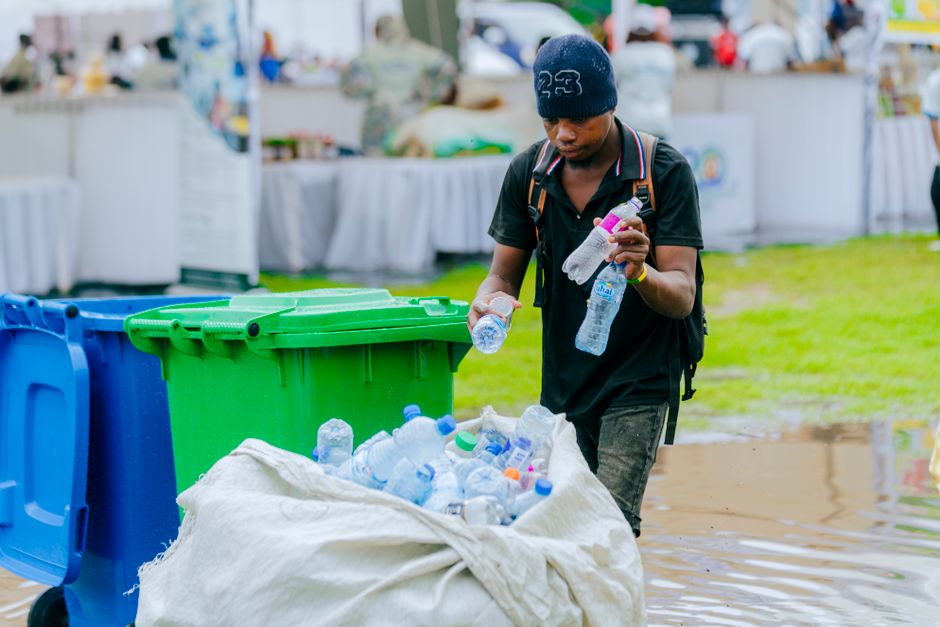
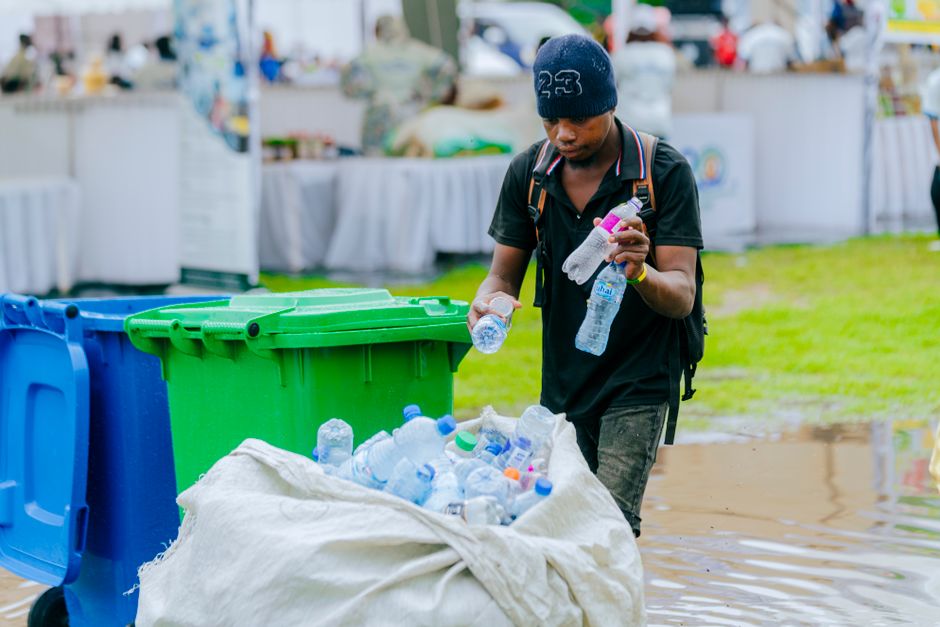
Global waste production reached 2.01 billion tonnes annually according to recent World Bank data, with only 13.5% being recycled. This alarming statistic highlights the urgent need for widespread recycling education. Online learning platforms bridge the knowledge gap by reaching millions of people who might never attend traditional in-person workshops.
Digital education removes common obstacles like transportation costs, time constraints, and limited local resources. A parent in rural Montana can access the same quality information as someone living in downtown San Francisco. This democratization of knowledge accelerates the global transition toward circular economy practices.
Online recycling courses also adapt quickly to evolving waste management technologies. When new recycling methods emerge or regulations change, digital content updates instantly—unlike printed materials that become outdated. This ensures learners always receive current, accurate information about sorting guidelines, contamination prevention, and emerging sustainable materials.
The Environmental Impact of Informed Recycling
Proper recycling knowledge directly translates to measurable environmental benefits. Studies show that contamination rates drop by 40% when community members complete recycling education programs. Contaminated recycling streams often end up in landfills, wasting the energy and effort invested in collection and sorting.
When individuals understand which plastics are recyclable in their area, how to clean containers properly, and why certain items damage processing equipment, entire municipal recycling programs become more efficient. Online education scales this impact exponentially, reaching thousands simultaneously rather than dozens at local workshops.
📱 Top Digital Platforms for Recycling Education
The digital ecosystem offers diverse learning formats tailored to different preferences and schedules. Understanding which platforms best suit your learning style ensures you’ll stay engaged and retain information effectively.
Interactive Mobile Applications
Recycle Coach and similar apps provide location-specific recycling information, answering the question “can I recycle this?” with a simple photo or search. These tools connect directly to your municipal waste management system, offering customized pickup schedules and sorting guidelines.
Many apps gamify the learning process with achievement badges, community challenges, and impact tracking. You can monitor how many pounds of waste you’ve diverted from landfills or compare your household’s recycling rate with neighborhood averages. This competitive element motivates consistent participation.
The iRecycle app database includes over 350 materials and 100,000 recycling locations across North America. Users search for hard-to-recycle items like electronics, batteries, and textiles, discovering specialized drop-off points they never knew existed in their communities.
Video Learning Platforms and Webinars
YouTube channels dedicated to zero-waste living and recycling education offer visual demonstrations that text-based learning cannot match. Seeing how to properly break down cardboard boxes, rinse containers, or separate multi-material packaging makes the process clear and reproducible.
Organizations like The Recycling Partnership host monthly webinars featuring waste management experts, circular economy innovators, and policy makers. These sessions dive deep into topics like composting science, plastic resin identification, and the economics of recycling markets.

Live webinars offer real-time Q&A opportunities, letting you ask specific questions about your unique recycling challenges. Recorded sessions remain accessible, creating an ever-growing library you can reference whenever disposal questions arise.
🎓 Structured Online Courses and Certifications
For those seeking comprehensive education, structured courses provide systematic knowledge building. Platforms like Coursera, edX, and FutureLearn partner with universities to offer free and paid courses on waste management, circular economy principles, and environmental science.
The Ellen MacArthur Foundation offers a highly regarded circular economy course that explores recycling within broader systemic frameworks. Learners discover how product design, business models, and consumer behavior interconnect to either support or undermine recycling efforts.
Professional Certification Programs
Industry professionals can pursue credentials like the Certified Recycling Professional (CRP) designation through online study programs. These certifications validate expertise in material recovery facility operations, contamination reduction strategies, and regulatory compliance.
Municipal employees, waste haulers, and sustainability coordinators benefit from specialized training that addresses operational challenges. Courses cover topics like route optimization, public education campaign design, and grant writing for recycling infrastructure improvements.
| Platform | Course Type | Duration | Cost |
|---|---|---|---|
| Coursera | University partnerships | 4-8 weeks | Free to audit, $49+ for certificate |
| Recycling Partnership | Webinar series | 1 hour sessions | Free |
| Ellen MacArthur Foundation | Circular economy fundamentals | Self-paced, ~6 hours | Free |
| SWANA (Solid Waste Association) | Professional certification prep | 3-6 months | $200-$500 |
♻️ Essential Recycling Concepts to Master Online
Effective online learning requires focusing on core concepts that directly impact your daily habits. These fundamental topics form the foundation of successful recycling practice.
Understanding Material Categories and Numbering Systems
Plastic resin identification codes (the numbers 1-7 inside the chasing arrows symbol) confuse many recyclers. Online courses clarify that these numbers indicate plastic type, not automatic recyclability. PETE (#1) and HDPE (#2) plastics enjoy widespread recycling acceptance, while #3-#7 face limited processing options in most communities.
Digital learning tools help you memorize which materials your local facility accepts. Interactive quizzes reinforce knowledge: “Can you recycle pizza boxes?” (sometimes, if not grease-soaked), “What about shredded paper?” (rarely, due to processing equipment limitations).
Contamination Prevention Techniques
Contamination remains the primary threat to recycling program viability. Online education emphasizes the “when in doubt, throw it out” principle—placing questionable items in recycling contaminates entire batches, potentially sending truckloads to landfills.
Visual guides demonstrate proper container cleaning: rinsing peanut butter jars until no residue remains, removing food waste from takeout containers, and draining bottles completely. These seemingly small actions dramatically improve recyclate quality and market value.
- Plastic bags and film: Never place in curbside bins; they tangle sorting machinery. Return to grocery store collection programs instead.
- Greasy cardboard: Oil contamination spreads to clean materials during baling. Compost heavily soiled boxes when possible.
- Electronics: Require specialized e-waste recycling due to hazardous components and valuable metal recovery opportunities.
- Batteries: Lithium batteries pose fire risks in processing facilities. Locate battery-specific drop-off locations.
- Textiles: Clothing and fabric rarely belong in recycling bins. Donate wearable items or use textile recycling programs.
🛠️ Practical Skills Developed Through Online Training
Beyond theoretical knowledge, digital platforms teach actionable skills you can implement immediately. These hands-on competencies transform learning into lifestyle changes.
Conducting Home Waste Audits
Online courses guide you through analyzing your household trash to identify reduction opportunities. You’ll learn to track waste generation over one week, categorizing items by material type and assessing what could have been recycled, composted, or avoided entirely.
This exercise reveals personal consumption patterns. Many participants discover they discard significant amounts of specific items—perhaps single-use coffee cups or plastic produce bags—that simple behavior changes could eliminate. Data-driven insights motivate targeted habit adjustments.
Setting Up Effective Home Sorting Systems
Digital resources provide blueprints for organizing multi-stream waste stations in homes and apartments. You’ll see examples of compact solutions for small spaces and elaborate sorting centers for larger households committed to zero-waste goals.
Labeling strategies, container selection, and placement optimization all contribute to making recycling as convenient as trash disposal. When systems require minimal effort, compliance rates soar. Online learning shows you exactly how others have succeeded in similar living situations.
🌱 Advanced Topics for Committed Learners
Once you’ve mastered basics, online platforms offer deep dives into specialized subjects that expand your environmental impact.
Composting Science and Implementation
Organic waste comprises approximately 30% of residential trash, all of which could become nutrient-rich soil amendment through composting. Online courses cover hot composting, cold composting, vermicomposting (worm bins), and municipal composting program participation.
You’ll learn the science of carbon-to-nitrogen ratios, moisture management, and temperature monitoring. Video demonstrations show troubleshooting common problems like odors, pest attraction, and slow decomposition. This knowledge lets you confidently divert food scraps and yard waste from landfills.
Upcycling and Creative Reuse Projects
Before recycling, the waste hierarchy prioritizes reduction and reuse. Online tutorials teach transforming would-be trash into functional or decorative items. Glass jars become storage containers, worn clothing turns into cleaning rags, and cardboard boxes morph into organizers.
Pinterest boards, YouTube channels, and dedicated upcycling websites showcase thousands of project ideas categorized by skill level and material type. This creative approach to waste management makes sustainability engaging and personally rewarding rather than purely obligatory.
🤝 Building Community Through Digital Networks
Online recycling education extends beyond individual learning to foster collaborative problem-solving and mutual support. Digital communities accelerate behavior change through social reinforcement.
Social Media Groups and Forums
Facebook groups like “Zero Waste Living” and Reddit communities such as r/ZeroWaste connect hundreds of thousands of members worldwide. These spaces facilitate question-answering, success story sharing, and collective troubleshooting of recycling challenges.
Seeing peers overcome obstacles you’re facing provides motivation and practical solutions. Someone in Minnesota might share how they finally found a mattress recycling location, while another member posts their municipality’s new glass collection program—information that might inspire advocacy in your community.
Virtual Challenges and Accountability Partners
Many online platforms organize time-bound challenges like “Plastic-Free July” or “Zero-Waste Week,” providing structure and community energy to behavior change efforts. Participants share daily updates, exchange tips, and celebrate milestones together.
Finding accountability partners through these networks dramatically increases success rates. Regular check-ins with someone pursuing similar goals keeps you motivated during difficult moments when convenience tempts you to abandon sustainable practices.
📊 Measuring Your Recycling Education Impact
Online tools help quantify the environmental benefits of your improved recycling knowledge, making abstract concepts tangible and motivating.
Carbon Footprint Calculators
Specialized calculators estimate the greenhouse gas emissions prevented through your recycling efforts. By inputting weekly amounts of paper, plastic, glass, and metal you recycle, these tools translate your actions into equivalent carbon dioxide reductions.
Seeing that your household diverted the equivalent of 500 miles of car travel emissions last year makes the impact feel real and significant. Many people dramatically underestimate their individual environmental influence—these metrics reveal the cumulative power of consistent small actions.
Waste Diversion Tracking Apps
Apps integrated with municipal waste management systems provide personalized recycling rate feedback. You can view your household’s monthly diversion percentage and track improvement over time as you apply learned principles.
Some systems gamify this data with neighborhood leaderboards (anonymized for privacy), creating friendly competition that drives community-wide improvement. When you see your recycling rate climb from 35% to 68% over six months, the education’s value becomes undeniable.
🚀 Future Trends in Online Recycling Education
Technological advancement continues reshaping how we learn about and practice recycling. Emerging tools promise even more effective knowledge transfer and behavior change.
Artificial Intelligence and Image Recognition
Next-generation recycling apps use AI-powered image recognition to instantly identify materials and provide disposal guidance. Point your phone camera at any item, and the app tells you whether it’s recyclable, compostable, or trash in your specific location.
These systems continuously learn from user inputs and municipal database updates, becoming more accurate over time. They also aggregate anonymized data to identify common confusion points, informing public education campaign development.
Virtual Reality Facility Tours
VR experiences transport learners inside material recovery facilities, showing exactly what happens after recyclables leave the curb. Witnessing how plastic bags jam sorting equipment or how contamination forces entire bales into landfills creates lasting impressions that change behavior.
These immersive educational tools make the “behind-the-scenes” recycling process visible, building appreciation for waste management workers and understanding of system limitations. When you’ve virtually walked through a facility, you comprehend why certain rules exist.
💡 Creating Your Personalized Online Learning Path
With countless resources available, designing an effective education strategy prevents overwhelm and ensures steady progress toward your sustainability goals.
Assessing Your Current Knowledge Level
Start by taking online recycling quizzes to identify knowledge gaps. Many municipal websites and environmental organizations offer free assessments that reveal which concepts you’ve mastered and which require attention.
This diagnostic approach lets you focus learning time on areas needing improvement rather than reviewing information you already know. Someone well-versed in plastic recycling but unfamiliar with electronics disposal can target e-waste specific resources.
Setting Achievable Learning Goals
Define specific, measurable objectives: “Learn proper recycling procedures for all items I typically discard” or “Reduce my household’s contamination rate to under 5%.” Clear goals provide direction and enable progress tracking.
Break larger objectives into weekly mini-goals. Week one might focus on mastering plastic identification, week two on paper products, week three on glass and metal. This structured approach prevents cognitive overload while building comprehensive knowledge systematically.
Scheduling Regular Learning Sessions
Consistency matters more than duration. Fifteen minutes daily with a recycling app or educational video produces better retention than sporadic three-hour study marathons. Calendar recurring learning blocks just like any other important appointment.
Many successful online learners incorporate education into existing routines—watching a waste management webinar during lunch breaks or listening to sustainability podcasts during commutes. This integration makes learning sustainable long-term rather than a temporary sprint.
🎯 Turning Knowledge Into Lasting Behavioral Change
Information alone doesn’t guarantee action. Effective online education incorporates behavioral science principles that translate learning into automatic habits.
Implementation Intentions and If-Then Planning
Research shows that creating specific if-then plans dramatically increases follow-through. Online courses teach formulating statements like: “If I’m about to throw away a container, then I will first check the recycling number and rinse it.”
These pre-decided responses eliminate in-the-moment decision fatigue. Your brain defaults to the planned action rather than choosing the path of least resistance (typically the trash can). Over time, these conscious decisions become unconscious habits.
Environmental Cue Design
Digital learning resources emphasize making recycling the easiest choice through environmental design. Place recycling bins closer than trash cans, use larger recycling receptacles, and position them in high-traffic areas where waste typically accumulates.
Visual reminders—printed guides attached to bin lids, color-coded containers, or smartphone wallpapers listing local recycling rules—reinforce learning during critical decision moments. These cues bridge the gap between classroom knowledge and kitchen application.
The digital revolution has made recycling education accessible to anyone with internet connectivity. By leveraging online courses, mobile applications, community networks, and interactive tools, you can develop comprehensive waste management expertise that translates into meaningful environmental impact. The journey from recycling novice to knowledgeable practitioner no longer requires expensive in-person workshops or specialized degrees—just curiosity, internet access, and commitment to learning at your own pace. Start today with a single app download or course enrollment, and watch your confidence and impact grow with each lesson completed.
