
Anúncios
Stretching exercises have moved into the digital age, making flexibility training more accessible than ever through online platforms and apps designed to guide you every step of the way. 🧘♀️


Whether you’re a complete beginner or someone looking to improve mobility for sports performance, learning stretching techniques online offers flexibility in scheduling and personalized guidance. The convenience of having a virtual instructor available 24/7 means you can work on your hamstrings at midnight or loosen tight shoulders during your lunch break.
Modern technology has transformed how we approach flexibility training, offering video demonstrations, progress tracking, and customized routines that adapt to your current ability level. With the right digital tools and knowledge, you can safely build a stretching practice that fits seamlessly into your lifestyle while delivering measurable results.
Why Digital Stretching Programs Are Gaining Popularity
The shift toward online stretching education reflects broader changes in how people consume fitness content. Unlike traditional gym classes with fixed schedules, digital stretching programs provide immediate access whenever motivation strikes or your body needs relief from tension.
Research shows that consistency matters more than intensity when building flexibility. Online platforms make daily practice realistic by removing common barriers like commute time, class availability, and intimidation that some people feel in group settings. You can pause videos, replay difficult sequences, and progress at a pace that respects your body’s current limitations.
Cost represents another significant advantage. Monthly subscriptions to stretching apps typically cost less than a single in-person class, while providing access to hundreds of routines targeting different muscle groups and flexibility goals. Many platforms offer free trial periods, allowing you to explore various teaching styles before committing financially.
Personalization Through Technology
Advanced apps now use algorithms to suggest routines based on your stated goals, previous activity, and feedback about which areas feel tight or uncomfortable. This level of customization was previously only available through expensive one-on-one training sessions.
Some platforms include assessments that measure your current range of motion in key joints, then build progressive programs designed to safely expand those ranges over weeks or months. This data-driven approach takes guesswork out of the equation and helps prevent the common mistake of pushing too hard too fast.
Essential Stretching Categories You’ll Encounter Online
Digital stretching resources typically organize content into specific categories based on methodology, target area, or intended outcome. Understanding these classifications helps you choose appropriate routines for your situation.
Static Stretching Fundamentals
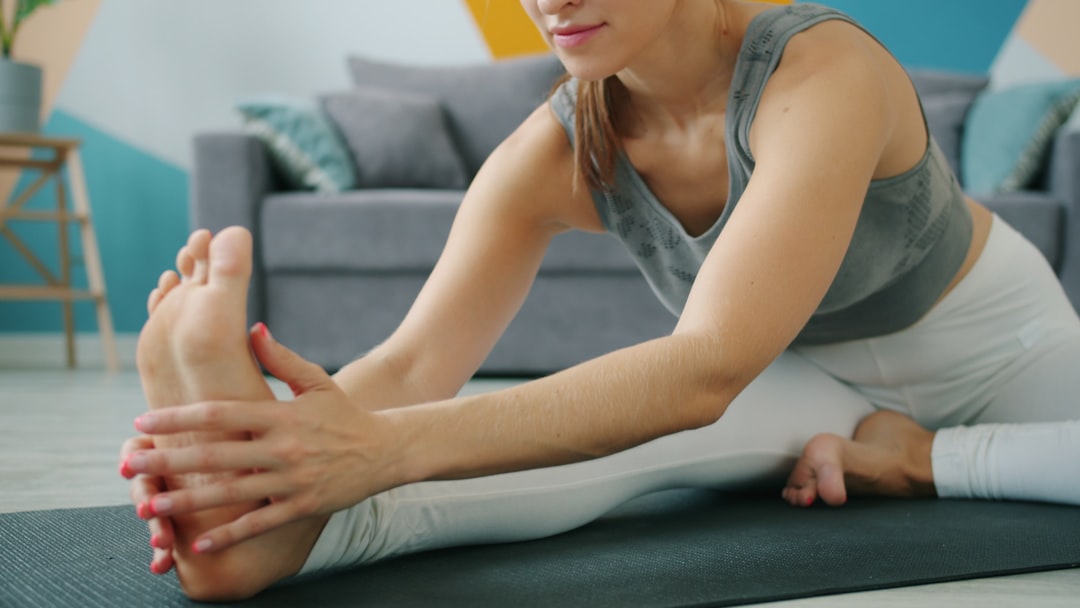
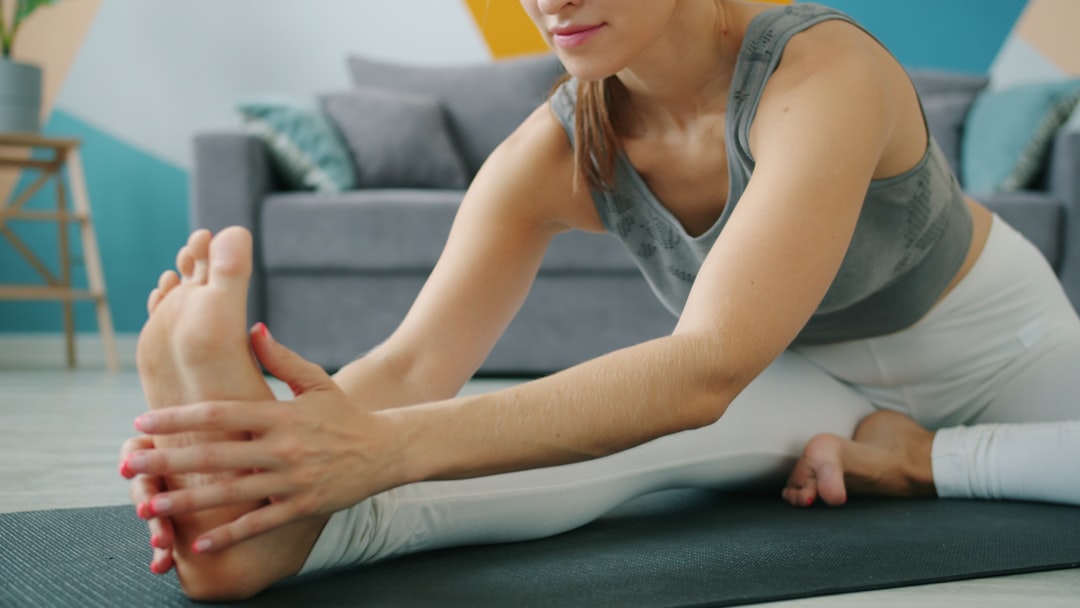
Static stretches involve holding a position for 15-60 seconds, allowing muscles to gradually lengthen. Online programs featuring static stretching work well for cool-downs after exercise or standalone flexibility sessions. These routines typically show you how to stretch major muscle groups systematically:
- Hamstrings and hip flexors for lower body mobility
- Chest and shoulder openers for upper body relief
- Spinal twists and side bends for core flexibility
- Neck and trap releases for tension headache prevention
- Calf and ankle stretches for foot health
Quality online instruction emphasizes proper alignment during static holds, showing common mistakes through split-screen comparisons or angle variations. This visual feedback replaces the corrections an in-person instructor would provide.
Dynamic Stretching and Movement Prep
Unlike static holds, dynamic stretching involves controlled movements that take joints through their full range of motion. Online classes focusing on dynamic work often serve as warm-ups before workouts or sports activities.
These sessions typically include leg swings, arm circles, walking lunges, and torso rotations performed in smooth, rhythmic patterns. Video format particularly benefits dynamic stretching instruction because you can observe the tempo and flow that makes these movements effective rather than jerky or forced.
Flexibility for Specific Goals
Many online platforms organize content around particular objectives that resonate with different users:
| Goal Category | Typical Focus Areas | Time Commitment |
|---|---|---|
| Splits Training | Hip flexors, hamstrings, adductors | 10-20 minutes daily |
| Back Pain Relief | Spinal mobility, hip flexibility, core engagement | 15-25 minutes, 4-5x weekly |
| Athletic Performance | Sport-specific movements, power ranges | 20-30 minutes pre-activity |
| Posture Correction | Chest, shoulders, hip flexors, thoracic spine | 10-15 minutes daily |
This goal-oriented approach helps maintain motivation because you’re working toward a specific outcome rather than just “being more flexible” in an abstract sense.
How to Choose the Right Online Stretching Resource
The abundance of digital stretching options can feel overwhelming. Evaluating platforms systematically helps you identify which resources match your learning style and physical needs.
Instruction Quality Indicators
Look for instructors who demonstrate credentials in fields like physical therapy, athletic training, yoga certification, or kinesiology. Their expertise ensures you’re receiving anatomically sound guidance rather than potentially harmful advice from unqualified sources.
High-quality programs include modifications for different ability levels and clear explanations of what you should feel during each stretch. Red flags include instructors who promise rapid results, encourage pain during stretching, or demonstrate poor form themselves.
User Experience Features
Practical considerations significantly impact whether you’ll stick with a program long-term:
- Video quality: Clear visuals showing body positioning from multiple angles
- Audio cues: Verbal guidance about breathing and hold duration without needing to watch constantly
- Progress tracking: Systems that log completed sessions and measure improvement
- Offline access: Downloaded routines for use without internet connectivity
- Routine length options: Both quick 5-minute sessions and comprehensive 30-minute practices
Many people find that apps combining automated features with occasional live classes or community forums provide the right balance between convenience and connection.
Building a Sustainable Stretching Practice From Home
Accessing quality instruction represents only the first step. Creating an environment and routine that supports consistent practice determines whether you actually achieve your flexibility goals.
Creating Your Stretching Space
You don’t need a dedicated room, but identifying a specific area for flexibility work helps establish the habit. This space should accommodate your full body length when lying down, plus arm span when standing. Essential equipment includes:
- A yoga mat or cushioned surface (not carpet alone, which can cause slipping)
- A foam block or sturdy books for support in certain positions
- A strap or belt for assisted hamstring and shoulder stretches
- A wall for balance and support during standing stretches
Keep these items in your designated area so setup takes seconds rather than becoming a barrier to starting. Many people find that placing their mat in a visible location serves as a reminder to practice.
Scheduling Strategies That Actually Work
The “best time” to stretch is whenever you’ll actually do it consistently. That said, different timing offers distinct advantages. Morning sessions can reduce stiffness from sleep and energize your start to the day, though your body will be less flexible in the first hour after waking.
Evening stretching often feels more comfortable because your body temperature is higher and tissues are more pliable from daily movement. This timing also helps release accumulated tension and can improve sleep quality.
Consider habit stacking by attaching your stretching practice to an existing routine. Examples include stretching immediately after your morning coffee brews, during the first commercial break of an evening show, or right before your nightly shower.
Common Mistakes When Learning Stretches Online
Without in-person correction, certain errors occur frequently among people following digital stretching programs. Awareness of these pitfalls helps you self-correct before they become ingrained patterns.
Pushing Through Pain
The phrase “no pain, no gain” does not apply to flexibility training. Stretching should create a sensation of gentle pulling or mild discomfort in the targeted muscle, never sharp pain or burning. Online programs cannot feel what you’re experiencing, so you must be your own safety monitor.
Pain signals potential injury. If a stretch hurts, back off until you feel only mild tension. Genuine flexibility gains come from consistent, patient practice at appropriate intensity levels, not from aggressive forcing that can damage connective tissue.
Holding Your Breath
Breath holding creates unnecessary tension that counteracts stretching benefits. When following video instruction, inexperienced practitioners often concentrate so hard on positioning that breathing becomes shallow or stops entirely.
Quality online programs include explicit breathing cues, but you may need to focus deliberately on this aspect initially. A useful guideline: inhale during setup, then exhale as you move deeper into the stretch. Continue breathing naturally throughout holds rather than straining.
Inconsistent Practice Patterns
Flexibility development requires regular stimulus. Stretching intensely once or twice weekly produces minimal results compared to gentler daily practice. Many people start online programs enthusiastically, completing long sessions for a few days before burning out.
Research suggests that short, frequent sessions outperform occasional long ones for building lasting flexibility. A 10-minute daily routine will generate better outcomes than sporadic 45-minute sessions. Choose program lengths you can sustain realistically given your schedule and energy levels.
Tracking Progress and Staying Motivated
Flexibility improvements occur gradually, making progress difficult to perceive day-to-day. Implementing tracking systems helps you recognize changes that would otherwise go unnoticed, maintaining motivation through plateaus.
Measurement Methods
Many apps include built-in assessment tools, but you can also track progress manually. Take photos from consistent angles every 2-3 weeks showing key positions like forward folds, splits attempts, or shoulder flexibility tests. Visual records reveal changes your perception might miss.
Alternatively, measure how far your fingertips reach toward the floor in a standing forward bend, or mark how close you can position your feet together in straddle stretches. Record these distances weekly in a simple spreadsheet or journal.
Non-Scale Victories to Celebrate
Numbers and photos tell part of the story, but functional improvements matter more for daily life quality. Notice when you can tie your shoes more easily, reach overhead without strain, or sit comfortably on the floor during activities with children or pets.
These practical changes represent the real value of improved flexibility, even though they’re harder to quantify than splits depth or toe-touch distance.
Integrating Stretching With Other Fitness Activities
Flexibility training amplifies benefits from other exercise modalities while reducing injury risk. Understanding how stretching complements your existing activities helps you schedule sessions appropriately.
Stretching and Strength Training
Static stretching immediately before lifting weights can temporarily reduce power output. Save longer static holds for after strength workouts or separate sessions entirely. Use dynamic movement prep before resistance training instead.
Post-workout static stretching helps reduce muscle soreness and promotes recovery. Many online programs offer specific “post-lift cooldown” routines targeting commonly tight areas like chest, hip flexors, and lats that become shortened from popular exercises.
Flexibility for Runners and Cyclists
Endurance athletes particularly benefit from addressing the repetitive movement patterns of their sports. Running and cycling create predictable tightness in hip flexors, calves, hamstrings, and IT bands.
Online programs designed for endurance athletes typically include longer holds for these chronically shortened areas, plus attention to often-neglected upper body mobility that affects breathing efficiency and posture during long efforts.
Addressing Specific Flexibility Challenges Online
Certain areas create difficulty for most people due to modern lifestyle factors or individual anatomy. Targeted online resources address these common problem zones with specialized techniques.
Hip Flexibility for Desk Workers
Prolonged sitting adaptively shortens hip flexors and weakens glutes, creating anterior pelvic tilt and lower back strain. Specialized online programs for desk workers emphasize hip flexor lengthening, hip external rotation development, and glute activation.
These routines typically include pigeon pose variations, lizard lunges, supine figure-four stretches, and 90/90 hip rotations. The best programs explain the postural dysfunction behind the tightness so you understand what you’re correcting.
Shoulder and Upper Back Mobility
Internal rotation dominance from smartphone use, driving, and computer work creates rounded shoulders and forward head posture. Online shoulder mobility programs focus on opening the chest, strengthening upper back muscles, and restoring overhead range of motion.
Effective sequences include doorway pec stretches, thread-the-needle poses, wall angels, and shoulder dislocations with resistance bands. Video instruction helps tremendously here because shoulder positioning involves subtle adjustments difficult to learn from text descriptions.
Making Digital Stretching Work Long-Term
Initial enthusiasm fades for most new practices. Building systems that support continued engagement separates those who achieve lasting flexibility improvements from those who try briefly then quit.
Variety Within Structure
Follow a consistent schedule but rotate through different routines targeting the same goals. This approach maintains the habit consistency that drives results while preventing the boredom that kills motivation.
Many successful practitioners designate specific days for different focus areas: Monday for lower body, Wednesday for upper body and spine, Friday for full-body flow. Within each category, they alternate between available routines to keep sessions feeling fresh.
Community and Accountability
While online stretching is typically solitary, connecting with others pursuing similar goals boosts adherence rates significantly. Many apps include community features, challenge participation, or streak tracking that creates gentle accountability.
Alternatively, recruit a friend for regular check-ins about your respective practices, or share progress photos in small groups. Even loose social connection around your flexibility practice increases the likelihood you’ll maintain it through inevitable motivation dips.
Safety Considerations for Unsupervised Practice
The convenience of learning stretches online comes with responsibility for self-monitoring that in-person classes provide through instructor oversight. Understanding safety principles protects you from common injuries.
Recognizing Warning Signs
Stop immediately if you experience sharp pain, joint popping accompanied by pain, numbness, or tingling into extremities. These symptoms indicate you’ve exceeded safe ranges or are compressing nerves.
Muscle soreness 24-48 hours after stretching is normal when you’re new or increasing intensity. Joint pain during or immediately after sessions is not normal and suggests improper technique or underlying issues requiring professional evaluation.
When to Seek Professional Guidance
While online resources work well for general flexibility development, certain situations require in-person assessment. Persistent pain in specific areas, significant asymmetry between left and right sides, or history of joint injuries warrant evaluation by physical therapists or sports medicine professionals.
These experts can identify whether restrictions stem from muscle tightness (addressable through stretching) or joint structure issues requiring different interventions. Many practitioners use professional assessments to identify limitations, then follow online programs targeting their specific needs.
The digital revolution in fitness education has made expert-guided flexibility training accessible to anyone with a smartphone or computer. By selecting quality resources, establishing consistent practices, and listening to your body’s feedback, you can build meaningful improvements in mobility and comfort. The key lies in starting where you are, progressing patiently, and trusting the process of gradual adaptation that characterizes all flexibility development. Your future self—bending, reaching, and moving with greater ease—will thank you for the time invested in this foundational aspect of physical health. 🌟
