
Anúncios
Gold has captivated humanity for millennia, and today’s digital landscape offers unprecedented opportunities to learn, trade, and invest in this precious metal from anywhere in the world.


The digital revolution has transformed how we interact with gold markets. What once required physical visits to dealers or brokers can now happen through your smartphone or laptop. Understanding the online gold ecosystem opens doors to smart investing, real-time tracking, and educational resources that were previously accessible only to industry professionals.
Whether you’re a seasoned investor looking to diversify your portfolio or a curious beginner exploring wealth preservation strategies, mastering the online gold landscape provides powerful tools for financial growth. From tracking live prices to executing trades and understanding market dynamics, the digital gold world awaits your exploration.
🌐 Understanding the Digital Gold Market Landscape
The online gold market operates 24 hours a day, five days a week, across multiple exchanges worldwide. This continuous trading cycle means prices fluctuate constantly based on global economic conditions, currency movements, and geopolitical events.
Major gold trading hubs include London, New York, Shanghai, and Tokyo. Each market influences the others, creating a interconnected web of price discovery. The London Bullion Market Association (LBMA) sets twice-daily gold price fixes that serve as global benchmarks for traders and investors.
Online platforms aggregate data from these exchanges, providing real-time pricing information to anyone with internet access. This democratization of information has leveled the playing field, allowing individual investors to make informed decisions previously reserved for institutional traders.
Key Price Factors That Drive Gold Markets ⚡
Several fundamental factors influence gold prices on a daily basis:
- US Dollar strength: Gold typically moves inversely to the dollar since it’s priced in USD globally
- Inflation rates: Higher inflation often drives investors toward gold as a hedge
- Interest rates: Lower rates make non-yielding assets like gold more attractive
- Central bank policies: Large-scale gold purchases or sales by central banks impact supply and demand
- Geopolitical tensions: Uncertainty drives safe-haven demand for precious metals
- Mining production: Supply constraints can push prices higher
Understanding these drivers helps you interpret price movements and make strategic decisions about when to buy, sell, or hold your gold positions.
💎 Different Ways to Own Gold Online
The digital age offers multiple pathways to gold ownership, each with distinct advantages and considerations. Your choice depends on investment goals, risk tolerance, and desired level of involvement.
Physical Gold Through Online Dealers
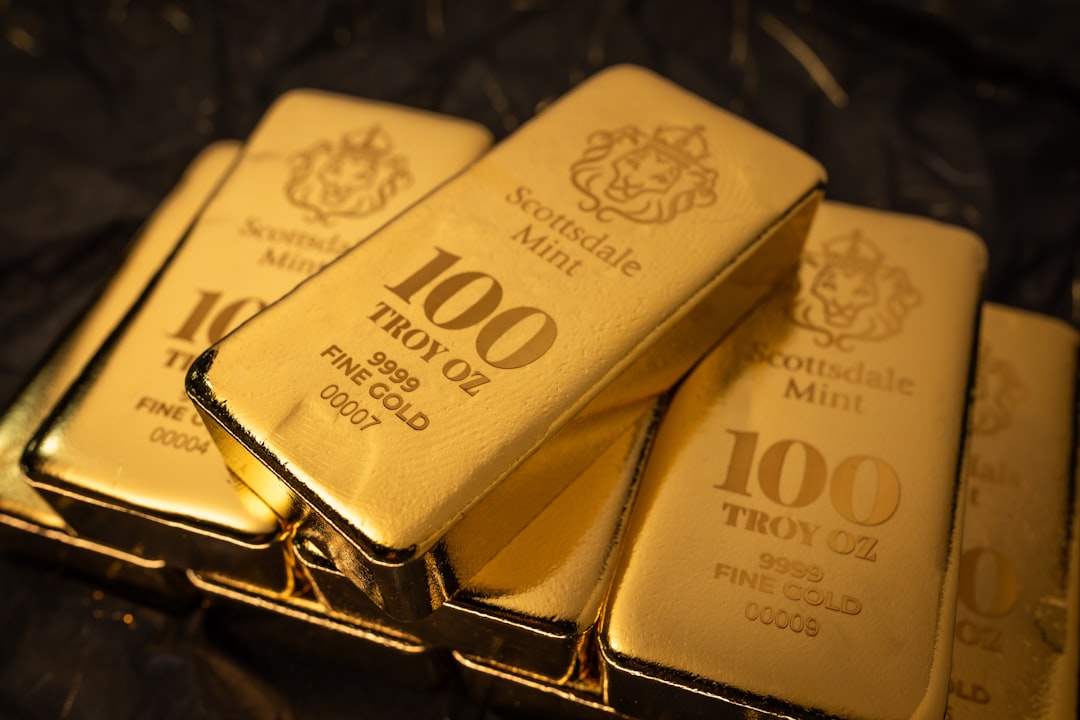
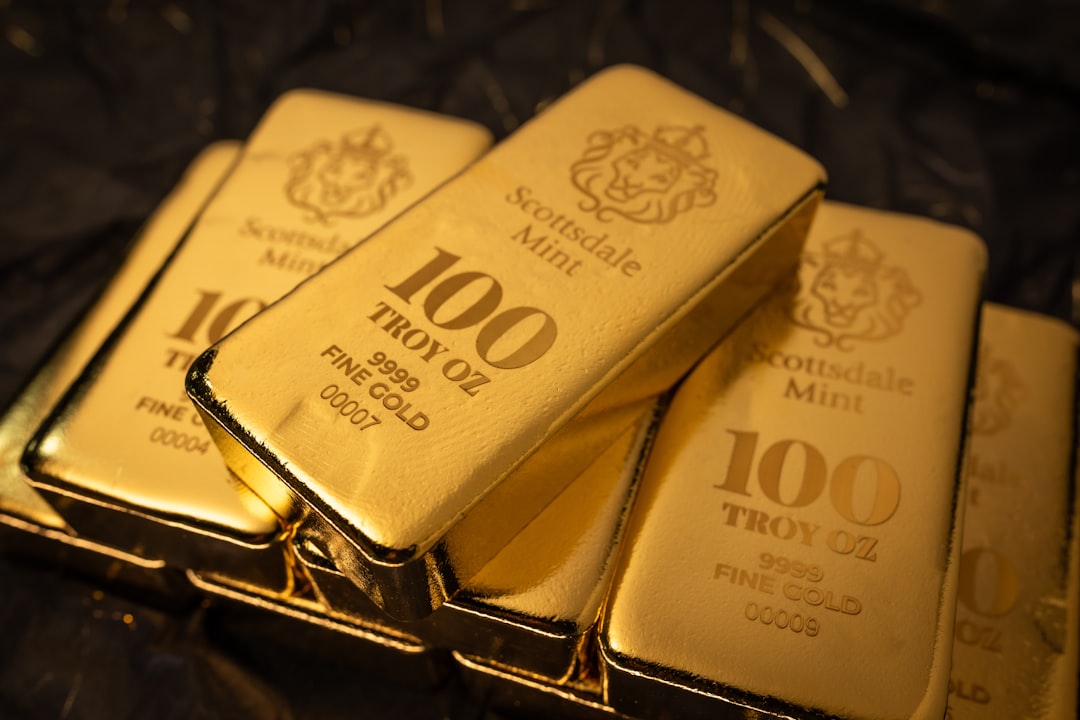
Many reputable dealers now operate primarily online, offering coins, bars, and rounds that ship directly to your door. Popular options include American Gold Eagles, Canadian Maple Leafs, and gold bars ranging from 1 gram to 1 kilogram.
When purchasing physical gold online, verify dealer credentials through organizations like the Professional Coin Grading Service (PCGS) or the American Numismatic Association (ANA). Check customer reviews and ensure secure payment processing before completing transactions.
Storage becomes your responsibility with physical gold. Options include home safes, bank safe deposit boxes, or third-party vault services. Factor insurance costs into your overall investment calculation.
Gold ETFs and Mutual Funds 📊
Exchange-Traded Funds (ETFs) provide exposure to gold prices without physical ownership challenges. The SPDR Gold Shares (GLD) and iShares Gold Trust (IAU) are among the largest, tracking spot gold prices minus management fees.
Gold mutual funds invest in mining companies rather than the metal itself, offering leveraged exposure to gold price movements. When gold prices rise, mining company profits often increase more dramatically, potentially amplifying returns.
These paper gold instruments trade like stocks through standard brokerage accounts, offering liquidity and ease of management. However, you don’t own actual gold—you own shares representing gold holdings or company equity.

Digital Gold Platforms and Apps
Innovative platforms now allow fractional gold ownership starting from just a few dollars. Companies like OneGold, Vaulted, and various fintech apps let you buy gold by the gram, storing it in insured vaults while you maintain ownership rights.
These platforms combine the security of physical gold with the convenience of digital transactions. You can buy, sell, or even take physical delivery (usually with minimum quantity requirements) through mobile apps.
Transaction fees typically range from 0.5% to 1.5%, with annual storage fees between 0.3% and 0.5% of holdings value. Compare fee structures carefully, as they impact long-term returns significantly.
📱 Essential Tools for Tracking Gold Prices
Real-time price monitoring is fundamental to successful gold investing. The right tools keep you informed of market movements and help identify optimal entry and exit points.
Mobile Applications for Price Tracking
Dedicated gold price apps deliver live quotes, historical charts, and price alerts directly to your smartphone. Look for features including:
- Multi-currency support: View prices in your local currency
- Customizable alerts: Notifications when gold hits target prices
- Historical data: Charts spanning days to decades
- Multiple units: Prices per ounce, gram, kilogram, or tola
- Offline capability: Access last-updated prices without connection
Premium apps often include technical analysis tools, news feeds aggregating gold-related headlines, and portfolio tracking to monitor your total holdings across different investments.
Web-Based Price Platforms 💻
Comprehensive websites like Kitco, BullionVault, and GoldPrice.org offer detailed market analysis alongside real-time pricing. These platforms typically provide:
| Feature | Benefit |
|---|---|
| Live dealer spreads | Compare buy/sell prices across dealers |
| Expert commentary | Professional analysis of market conditions |
| Interactive charts | Advanced technical indicators and drawing tools |
| Economic calendars | Track events likely to impact gold prices |
| Educational resources | Learn market fundamentals and strategies |
Bookmark multiple reliable sources to cross-reference information and develop a comprehensive market understanding. Different platforms emphasize different aspects of the gold market, providing diverse perspectives.
🎓 Building Your Gold Market Knowledge Base
Education separates successful gold investors from those who make costly mistakes. The online world offers abundant learning resources, but quality varies dramatically.
Reputable Educational Resources
Start with institutional sources that provide unbiased information. The World Gold Council publishes extensive research on supply, demand, and market trends. Their website offers free reports analyzing everything from jewelry consumption to central bank holdings.
Financial news outlets like Bloomberg, Reuters, and CNBC maintain dedicated commodities sections with daily gold coverage. Follow established analysts who have demonstrated track records rather than anonymous social media accounts promising guaranteed returns.
Online courses through platforms like Coursera, Udemy, and Khan Academy cover investment fundamentals including precious metals. Look for instructors with verifiable credentials and positive student reviews.
Understanding Gold Market Terminology 📖
Fluency in gold market language accelerates your learning curve. Essential terms include:
- Spot price: Current market price for immediate delivery
- Premium: Amount above spot price dealers charge for coins or bars
- Troy ounce: Standard measurement for precious metals (31.1 grams)
- Fineness: Purity measure (e.g., .999 fine means 99.9% pure gold)
- Spread: Difference between buying and selling prices
- Backwardation: When near-term contracts cost more than future contracts
- Contango: When future contracts cost more than spot prices
Master these concepts to interpret market commentary and make informed decisions. Each term represents important market dynamics that affect investment outcomes.
⚠️ Avoiding Online Gold Scams and Pitfalls
The anonymity and reach of the internet attract fraudsters targeting inexperienced gold investors. Protecting yourself requires vigilance and healthy skepticism.
Red Flags That Signal Potential Scams
Legitimate gold investments never guarantee returns or promise risk-free profits. Be immediately suspicious of:
- Unsolicited contact offering “exclusive” gold opportunities
- Pressure tactics demanding immediate decisions
- Prices significantly below market rates (too good to be true)
- Requests for payment via untraceable methods like cryptocurrency or wire transfers
- Unverifiable company credentials or fake accreditation claims
- Testimonials that can’t be independently verified
Research any company thoroughly before sending money. Check registration with relevant regulatory bodies, read independent reviews on multiple platforms, and verify physical addresses and contact information.
Secure Online Transaction Practices 🔒
Protect your financial information and gold investments through security best practices:
Use strong, unique passwords for each gold-related account. Enable two-factor authentication wherever available. Avoid accessing investment accounts on public Wi-Fi networks that may be compromised.
Monitor account activity regularly for unauthorized transactions. Reputable platforms use encrypted connections (look for “https” and padlock icons in your browser). Never share login credentials or private keys with anyone claiming to represent customer service.
Keep detailed records of all transactions, including purchase confirmations, invoices, and correspondence. Documentation proves ownership and helps resolve disputes should problems arise.
📈 Developing Your Gold Investment Strategy
Successful gold investing requires a clear strategy aligned with your financial goals, risk tolerance, and investment timeline. Random buying and selling typically produces disappointing results.
Portfolio Allocation Considerations
Financial advisors traditionally recommend allocating 5-10% of investment portfolios to gold and precious metals. This provides diversification benefits without overexposure to a non-yielding asset.
Your personal allocation depends on several factors. Younger investors with longer time horizons might maintain smaller gold positions, favoring growth assets like stocks. Those nearing retirement often increase precious metals holdings for capital preservation.
Economic conditions influence optimal allocation. During high inflation or market volatility, temporarily increasing gold exposure makes sense. Rebalance periodically to maintain your target allocation as prices fluctuate.
Dollar-Cost Averaging for Gold Accumulation 💰
Rather than trying to time the market perfectly, dollar-cost averaging involves investing fixed amounts regularly regardless of current prices. This strategy reduces the impact of volatility and removes emotional decision-making.
For example, investing $200 monthly in gold buys more ounces when prices drop and fewer when prices rise, averaging your purchase price over time. This disciplined approach prevents the common mistake of buying exclusively during price spikes driven by fear or hype.
Many online platforms support automatic recurring purchases, making dollar-cost averaging effortless. Set up monthly transfers and let the system accumulate gold positions systematically.
🌍 Global Gold Markets and Trading Hours
Understanding when different markets operate helps you anticipate price movements and identify optimal trading times. Gold trades virtually around the clock as exchanges worldwide open and close sequentially.
Major Trading Sessions
The Asian session begins when Sydney and Tokyo markets open, typically seeing moderate volume. Shanghai Gold Exchange activity often sets the tone for the trading day.
The London session brings the highest liquidity as European markets open. The London fix, established twice daily, represents a key price benchmark referenced globally. Most significant price movements occur during London hours.
The New York session overlaps with London for several hours, creating peak trading volume. COMEX gold futures drive much of the price action during this period. As New York closes, activity diminishes until Asian markets reopen.
Understanding these patterns helps you schedule trades when spreads are tightest and liquidity highest. Avoid trading during low-volume periods when prices may gap unexpectedly.
🔮 Advanced Topics for Serious Gold Investors
Once you’ve mastered fundamentals, exploring advanced concepts can enhance your gold investment sophistication and potentially improve returns.
Gold Options and Futures Contracts
Derivatives allow speculation on gold price movements without owning physical metal. Futures contracts obligate you to buy or sell gold at predetermined prices on specific dates. These leveraged instruments amplify both gains and losses.
Options contracts provide rights (but not obligations) to buy or sell at specific prices. Call options profit when prices rise; put options profit when prices fall. Options expire worthless if gold doesn’t reach target prices, limiting risk to premiums paid.
Derivatives involve significant complexity and risk. Thoroughly educate yourself before trading them, and consider starting with paper trading accounts to practice without financial exposure.
Mining Stocks as Leveraged Gold Exposure 🏗️
Gold mining companies offer indirect gold exposure with unique characteristics. Strong operators generate profits that multiply when gold prices rise, potentially outperforming physical gold returns.
However, mining stocks carry additional risks including operational challenges, management quality, political instability in mining regions, and production costs. Research companies carefully, examining financial statements, proven reserves, and production efficiency.
Junior miners provide higher risk/reward profiles than established producers. These smaller companies exploring new deposits can multiply in value with successful discoveries but also face higher failure rates.
🎯 Taking Your First Steps in Online Gold Investing
With knowledge established, taking action transforms learning into tangible results. Start small, learn from experience, and gradually increase involvement as confidence grows.
Choose one investment method aligned with your comfort level. If physical ownership appeals to you, purchase a small gold coin from a reputable online dealer. If convenience matters most, open an account with a digital gold platform and make an initial purchase.
Download a reliable price tracking application to monitor your investment. Set price alerts at meaningful levels and observe how gold reacts to economic news and market events. This hands-on experience builds intuition that reading alone can’t provide.
Join online communities of gold investors to learn from others’ experiences. Forums, social media groups, and investing platforms often feature discussions where you can ask questions and share insights. Remain skeptical of advice promising guaranteed profits, but value practical wisdom from experienced investors.
Review your gold holdings quarterly, assessing performance and rebalancing if necessary. Track what works and what doesn’t, refining your approach over time. Successful gold investing is a marathon, not a sprint—patience and consistency yield the best long-term results.
The digital gold landscape offers unprecedented opportunities for investors willing to educate themselves and approach the market strategically. Your journey begins with a single step, whether that’s downloading a price app, opening an investment account, or making your first gold purchase. The knowledge you’ve gained here provides the foundation for confident participation in one of humanity’s oldest and most enduring stores of value.
