
Anúncios
Learning to read and write is one of the most important milestones in a child’s development, and today’s technology offers incredible tools to make this journey enjoyable and effective.
Modern literacy apps have transformed the way children engage with letters, syllables, and words.
By combining educational games, interactive activities, and fun exercises, these applications create an environment where learning feels like play rather than work.
Parents and educators worldwide are discovering that daily practice through engaging digital tools can significantly accelerate reading development while keeping children motivated and excited about their progress.


The key lies in choosing apps that balance entertainment with solid educational foundations.
🎮 Why Educational Games Work Better Than Traditional Methods
Children’s brains are wired to learn through play. When literacy concepts are presented as games, the learning process becomes natural and stress-free. Educational games tap into children’s innate curiosity and desire for achievement, making them eager participants rather than reluctant students.
Research shows that interactive learning experiences create stronger neural connections than passive learning methods. When children actively engage with letters and words through touch, sound, and visual feedback, they process information through multiple sensory channels simultaneously.
The immediate feedback provided by digital games helps children understand concepts faster. When they complete a word correctly, they receive instant positive reinforcement. When they make mistakes, the app gently guides them toward the right answer without the embarrassment that sometimes occurs in classroom settings.
📚 Core Features of Effective Literacy Applications
The best literacy apps share several essential characteristics that make them powerful learning tools. Understanding these features helps parents select the right application for their child’s needs.
Letter Recognition and Phonics Training
Strong literacy foundations begin with recognizing letters and understanding their sounds. Quality apps introduce letters progressively, allowing children to master each character before moving forward. They combine visual recognition with phonetic pronunciation, helping children connect what they see with what they hear.
Interactive tracing activities teach proper letter formation, which strengthens memory retention. Children learn uppercase and lowercase letters through repetition that feels playful rather than tedious.
Syllable Construction Exercises
Once children grasp individual letters, syllable formation becomes the next critical step. Effective apps present syllables in context, showing how consonants and vowels combine to create meaningful sounds. Drag-and-drop activities make syllable building tactile and intuitive.
Progressive difficulty levels ensure children aren’t overwhelmed. They start with simple two-letter syllables before advancing to more complex combinations, building confidence with each achievement.
Word Formation and Vocabulary Building
Transforming syllables into complete words represents a major cognitive leap for young learners. Interactive word-building games challenge children to arrange syllables correctly while expanding their vocabulary naturally.
The best apps introduce words within thematic categories—animals, colors, family members, everyday objects—creating meaningful context that aids retention. Visual associations with colorful illustrations help cement new vocabulary in children’s minds.
🧠 Developing Cognitive Skills Beyond Reading
Literacy apps do more than teach reading and writing—they cultivate essential cognitive abilities that benefit children across all learning domains.
Memory Enhancement Through Repetition
Effective learning apps use spaced repetition techniques to reinforce previously learned material. This scientifically-proven method strengthens long-term memory by reviewing concepts at strategic intervals.
Memory games that challenge children to match letters, find pairs, or recall word sequences develop working memory capacity, which directly correlates with academic success in multiple subjects.
Logical Reasoning and Problem-Solving
Many literacy exercises incorporate puzzle elements that require logical thinking. When children must determine which letter completes a word or which syllable fits a specific position, they engage problem-solving skills.
These challenges teach children to analyze patterns, test hypotheses, and learn from mistakes—critical thinking skills that extend far beyond literacy into mathematics, science, and everyday decision-making.
Concentration and Focus Development
Regular engagement with structured educational activities helps children develop sustained attention spans. The gamified nature of learning apps maintains interest while gradually increasing task duration.
As children progress through levels and challenges, they naturally build the ability to focus for longer periods, a skill that proves invaluable in traditional classroom settings.
🎨 The Power of Interactive and Visual Learning
Visual and interactive elements transform abstract concepts into tangible experiences that young minds can grasp more easily.
Colorful animations capture attention and make learning sessions enjoyable. When letters dance, words light up, and characters celebrate correct answers, children associate learning with positive emotions. This emotional connection creates intrinsic motivation that surpasses external rewards.
Interactive touchscreen activities engage fine motor skills while teaching literacy concepts. Tracing letters on a screen, dragging syllables into position, or tapping correct answers provides multisensory engagement that reinforces learning through action.
Adaptive difficulty levels ensure each child works at an appropriate pace. The app automatically adjusts challenges based on performance, preventing frustration from tasks that are too difficult or boredom from activities that are too easy.
⏰ Establishing Effective Daily Learning Routines
Consistency proves more important than duration when building literacy skills. Short, regular practice sessions yield better results than occasional lengthy study periods.
Creating Sustainable Learning Habits
Experts recommend 15-20 minute daily sessions for young learners. This duration maintains engagement without causing fatigue. Establishing a consistent time—perhaps after breakfast or before bedtime—helps integrate learning into daily routines naturally.
Making app time a special privilege rather than an obligation increases enthusiasm. When children view their learning app as a reward, they approach activities with positive attitudes that enhance retention.
Balancing Independence and Guidance
While literacy apps enable independent learning, parental involvement amplifies benefits. Sitting with children during activities allows parents to observe progress, celebrate achievements, and provide encouragement during challenging moments.
Discussing what children learned during app time reinforces concepts. Asking them to read new words aloud or explain completed activities strengthens comprehension and communication skills simultaneously.
🌟 Real-World Application of Digital Literacy Skills
The ultimate goal of literacy education extends beyond app proficiency to real-world reading and writing abilities.
Encouraging children to identify letters and words in their environment—on signs, product packaging, books—bridges the gap between digital learning and practical application. Parents can turn everyday moments into learning opportunities by asking children to read simple words they encounter.
Providing age-appropriate books that match the vocabulary level introduced in the app reinforces learning through different mediums. When children recognize words from their app in printed books, they experience the satisfaction of applying digital lessons to traditional reading.
Writing activities complement app-based learning beautifully. Encouraging children to write words they’ve learned digitally using crayons, markers, or pencils engages different motor skills and creates additional memory pathways.
👨👩👧 Supporting Different Learning Styles and Paces
Every child learns differently, and quality literacy apps accommodate various learning styles and developmental speeds.
Visual Learners
Children who learn best through images benefit from apps with rich graphics, color-coding systems, and visual associations. Picture-word matching games and illustrated vocabulary exercises cater specifically to visual processing strengths.
Auditory Learners
For children who absorb information through sound, apps with clear pronunciation guides, phonics emphasis, and audio feedback prove most effective. Hearing letters and words pronounced correctly helps auditory learners establish proper sound-symbol relationships.
Kinesthetic Learners
Children who learn through movement and touch thrive with interactive touchscreen activities. Letter tracing, drag-and-drop exercises, and games requiring physical interaction with the device engage kinesthetic learners most effectively.
The beauty of comprehensive literacy apps lies in their ability to combine all three learning modalities simultaneously, ensuring every child finds activities that resonate with their natural learning preferences.
📊 Tracking Progress and Celebrating Milestones
Visible progress motivates children to continue learning and builds self-confidence as skills develop.
Many literacy apps include progress tracking features that allow parents to monitor advancement through various skill levels. These dashboards reveal which concepts children have mastered and which areas might need additional practice.
Achievement systems with stars, badges, or certificates provide tangible recognition of effort and improvement. Children take pride in earning rewards, which reinforces positive associations with learning activities.
Celebrating milestones—completing all letter exercises, reading their first complete word, finishing a difficult level—creates memorable moments that build enthusiasm for continued learning. Small celebrations acknowledge effort and create positive memories associated with educational achievement.

🔐 Safety and Age-Appropriate Content Considerations
When selecting literacy apps for children, safety and developmental appropriateness should be top priorities.
Quality educational apps designed for young learners feature child-safe interfaces without advertisements or external links that could distract or expose children to inappropriate content. Parental control features allow adults to customize experiences and monitor usage.
Age-appropriate content ensures challenges match developmental stages. Apps designed for preschoolers differ significantly from those targeting early elementary students, with vocabulary, complexity, and expectations adjusted accordingly.
Offline functionality proves valuable for maintaining consistent practice regardless of internet availability. Apps that download content for offline use enable learning during travel or in areas with limited connectivity.
💡 Maximizing Long-Term Educational Benefits
The skills children develop through literacy apps extend far beyond early reading abilities, establishing foundations for lifelong learning success.
Strong literacy skills correlate directly with academic achievement across all subjects. Children who read confidently access information more easily, understand instructions better, and express themselves more clearly in writing.
Early exposure to structured learning through engaging apps helps children develop positive attitudes toward education. When learning feels enjoyable and rewarding, children approach new subjects with curiosity rather than apprehension.
The self-paced nature of app-based learning teaches children to take ownership of their education. They learn that consistent effort produces results, building resilience and growth mindsets that serve them throughout their academic careers and beyond.
🚀 Getting Started With Your Child’s Literacy Journey
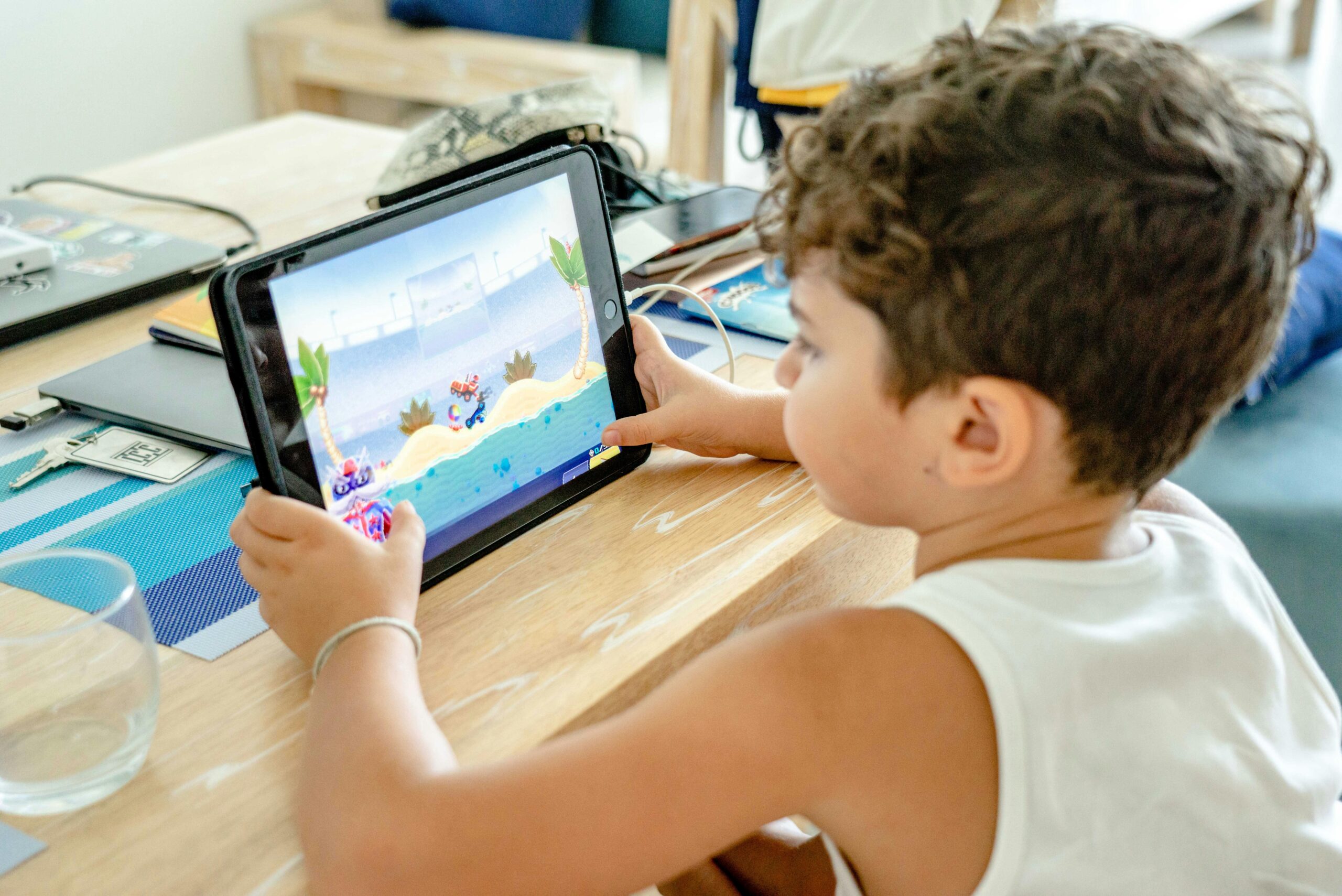
Beginning the literacy adventure requires nothing more than downloading the right app and committing to regular practice.
Start by exploring the app together with your child. Familiarize yourself with available activities, settings, and features so you can guide them effectively. Allow children to explore different game types to discover which activities they enjoy most.
Set realistic initial goals focused on establishing habits rather than achieving specific milestones. The primary objective during early sessions should be creating positive associations with learning time.
Remember that every child progresses at their own pace. Avoid comparisons with siblings or peers, instead celebrating individual improvements and efforts. Patience and encouragement create environments where children feel safe to make mistakes and learn from them.
Literacy development represents one of the most valuable gifts parents can provide their children. By leveraging modern educational technology through well-designed apps, you give your child engaging, effective tools that transform learning into an adventure they’ll eagerly pursue every day. The combination of educational rigor and playful engagement creates perfect conditions for building strong reading, writing, and reasoning skills that will serve them throughout their lives. Start today and watch your child’s confidence and abilities flourish! 📖✨
