
Anúncios
Learning to play the drums has never been more accessible. With online platforms and apps, anyone can start their drumming journey from the comfort of home, at their own pace.


The digital age has transformed how we approach music education. Gone are the days when aspiring drummers needed expensive in-person lessons or rigid schedules. Today’s technology offers flexible, comprehensive, and often more affordable alternatives that cater to every skill level.
Anúncios
Whether you’re a complete beginner or an intermediate player looking to refine your technique, online drum lessons provide structured pathways to mastery. The beauty of learning drums online lies in the ability to rewind, replay, and practice at your own speed without the pressure of a ticking clock. 🥁
Why Online Drum Lessons Are Revolutionizing Music Education
Traditional music lessons served generations well, but the modern learner demands flexibility and personalization. Online drum instruction delivers both while eliminating common barriers like geographical limitations and scheduling conflicts.
Anúncios
When you choose to learn drums online, you gain access to world-class instructors who might otherwise be unreachable. These professionals share decades of experience through carefully structured video lessons, live sessions, and interactive feedback systems that rival in-person instruction.
Cost-effectiveness represents another significant advantage. Monthly subscriptions to comprehensive drum learning platforms often cost less than a single private lesson, yet provide unlimited access to hundreds of courses covering everything from basic rudiments to advanced jazz improvisation.
The self-paced nature of online learning accommodates busy lifestyles. Parents, working professionals, and students can practice at 6 AM or midnight without worrying about instructor availability. This flexibility dramatically increases the likelihood of maintaining consistent practice habits, which directly correlates with faster progress.
Essential Equipment for Your Online Drumming Journey 🎵
Before diving into lessons, you’ll need appropriate equipment. The good news? You have options at every budget level, and you don’t necessarily need a full acoustic drum set to get started.
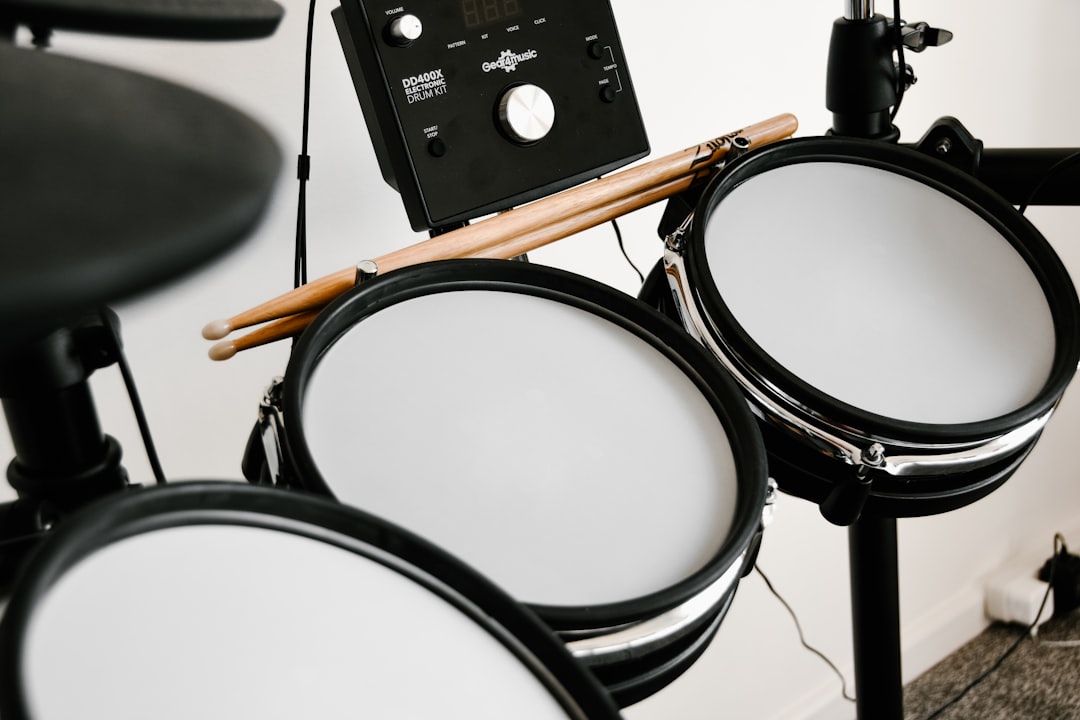
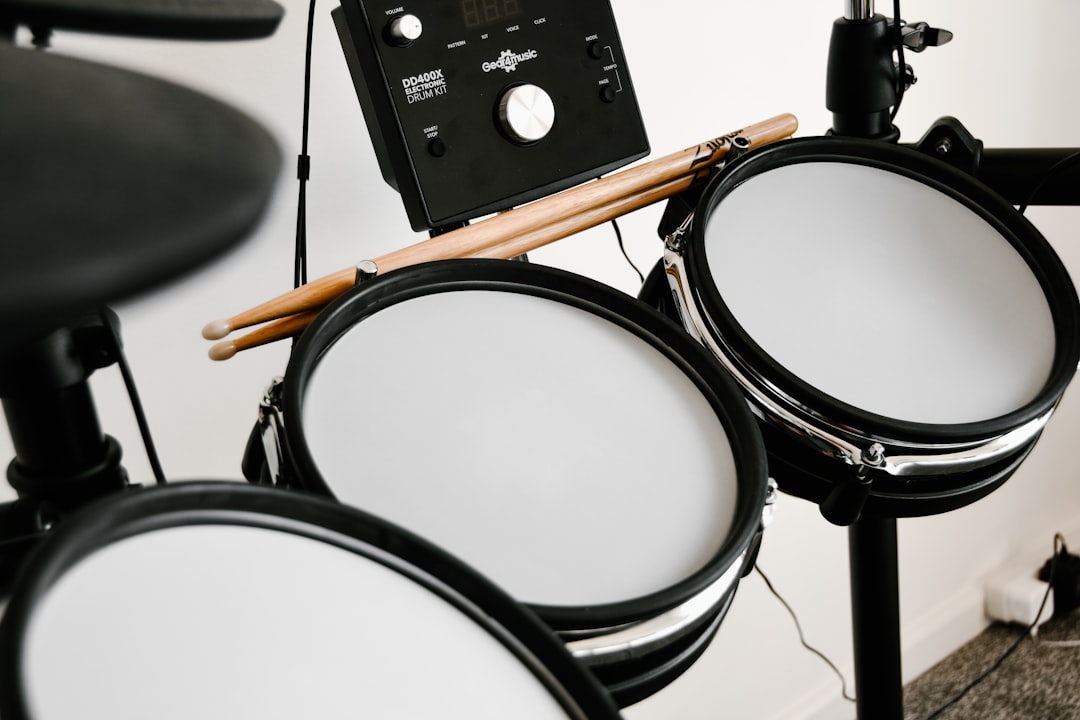
Electronic drum kits have become incredibly sophisticated and affordable. These silent alternatives allow apartment dwellers and noise-conscious households to practice without disturbing neighbors. Quality entry-level electronic kits start around $300-500 and include all essential components: kick drum, snare, toms, hi-hat, and cymbals.
If budget is tight, practice pads offer an even more economical starting point. A quality practice pad costs between $20-100 and allows you to develop stick control, rudiments, and reading skills before investing in a full kit. Many professional drummers still use practice pads daily for warm-ups and technique maintenance.
Acoustic drum sets remain the gold standard for those with appropriate space and sound tolerance. Entry-level kits from reputable manufacturers range from $400-800 and deliver authentic drumming experiences that electronic alternatives cannot fully replicate.
Don’t forget the small essentials: quality drumsticks (start with 5A size for versatility), a comfortable drum throne, headphones for electronic kits, and a metronome or metronome app. These tools form the foundation of productive practice sessions.
Setting Up Your Practice Space
Creating an effective practice environment enhances learning outcomes. Designate a specific area for drumming, even if it’s just a corner of your bedroom. Consistency in location helps build routine and signals to your brain that it’s time to focus.
Ensure your tablet, laptop, or phone is positioned at eye level for comfortable viewing of online lessons. Investing in a simple stand or holder prevents neck strain during extended practice sessions. Good lighting reduces eye fatigue when reading sheet music or watching demonstrations.
Acoustic treatment isn’t mandatory but dramatically improves the experience if you’re using an acoustic kit. Simple foam panels on walls reduce echo and protect household harmony. For electronic kits, quality headphones transform your practice by providing clear audio separation between different drum voices.
Choosing the Right Online Drum Learning Platform
The marketplace offers dozens of platforms, each with unique strengths. The best choice depends on your learning style, goals, and experience level. Some platforms excel at beginner instruction, while others cater to advanced players seeking specialized techniques.
Look for platforms offering structured curriculum paths rather than random lesson collections. Progressive learning systems guide you from foundational concepts through increasingly complex material, ensuring you build skills in logical sequences without dangerous gaps in knowledge.
Video quality matters more than many beginners realize. High-definition, multi-angle shots allow you to see hand positions, foot techniques, and stick angles clearly. Platforms investing in professional video production demonstrate commitment to educational excellence.
Interactive features separate good platforms from great ones. Progress tracking, play-along tracks, downloadable sheet music, and community forums enhance learning. The ability to submit videos for instructor feedback provides personalized guidance that accelerates improvement.

Free vs. Paid Learning Resources
YouTube hosts thousands of free drum lessons covering virtually every topic imaginable. This abundance provides excellent supplementary material, but free content often lacks structure, making it difficult for beginners to know what to learn next.
Paid platforms organize content systematically, removing guesswork from your learning journey. The investment typically ranges from $15-30 monthly, delivering curated pathways that would take hundreds of hours to piece together from free sources. This structured approach prevents overwhelm and keeps motivation high.
Many premium platforms offer free trial periods. Taking advantage of trials allows you to experience teaching styles, interface design, and content quality before committing financially. Most learners find that one platform resonates particularly well with their learning preferences.
Building Strong Foundational Skills 💪
Rushing into complex beats before mastering fundamentals creates frustrating obstacles later. Solid foundations in grip, posture, and basic rudiments enable faster progress when tackling advanced material.
Proper stick grip affects everything from sound quality to injury prevention. The traditional matched grip, where both hands hold sticks identically, works well for most contemporary styles. Online video lessons excel at demonstrating subtle grip details that written descriptions cannot convey effectively.
Posture and positioning determine endurance and prevent repetitive stress injuries. Your throne height should allow feet to rest flat on pedals with knees at approximately 90-degree angles. Arms should reach drums comfortably without hunching shoulders or overextending elbows.
Rudiments form the vocabulary of drumming. These fundamental sticking patterns—single strokes, double strokes, paradiddles, and flams—appear in virtually all musical contexts. Dedicating just 10 minutes daily to rudiment practice yields dramatic improvements in coordination and stick control.
The Critical Role of Timing and Rhythm
A drummer’s primary responsibility is keeping time. Developing rock-solid timing separates amateur players from professionals, regardless of technical prowess or stylistic knowledge.
Metronome practice feels tedious initially but produces extraordinary results. Start by playing simple patterns at slow tempos, focusing on perfect alignment with each click. Gradually increase speed only after achieving complete comfort at current tempos. This disciplined approach builds internal timing that remains steady without external references.
Online platforms often include play-along tracks featuring professional bassists and guitarists. These backing tracks make practice engaging while developing your ability to lock in with other musicians—a skill critical for anyone aspiring to play in bands or recording sessions.
Subdivision exercises deepen rhythmic understanding. Practice counting and playing eighth notes, sixteenth notes, and triplets against a steady quarter-note pulse. This awareness of how different note values relate mathematically transforms your musicality and improves your ability to learn songs by ear.
Learning Your Favorite Songs Effectively 🎶
Playing songs you love provides motivation and practical application for techniques learned in structured lessons. Online resources make learning songs more efficient through slow-down features, looping sections, and visual aids.
Start with songs slightly below your current skill level. Building confidence through successful completion motivates continued practice more effectively than struggling with overly ambitious material. As skills improve, gradually tackle more challenging pieces.
Break songs into manageable sections rather than attempting to learn entire arrangements at once. Master the intro before moving to verses, then chorus, bridge, and so on. This approach prevents overwhelm and allows focused attention on each section’s unique challenges.
Many online platforms provide official song tutorials with professional drummers demonstrating parts at multiple speeds. These tutorials often include notation and highlight subtle details easily missed when learning from original recordings alone.
Developing Your Ear for Drum Parts
Learning to identify drum parts by ear represents a valuable skill that accelerates song learning. Start by focusing on the kick drum pattern, as it typically provides the rhythmic foundation. Once you’ve identified the kick pattern, add the snare, then hi-hat or ride cymbal.
Software tools and apps designed for musicians allow you to slow down recordings without changing pitch. This technology reveals nuances obscured at full speed, making complex fills and ghost notes easier to identify and replicate.
Transcribing drum parts—writing them in notation—deepens understanding even if you never use the written music afterward. The process of translating sound to symbols forces detailed listening that casual play-along practice cannot match.
Practicing Efficiently for Maximum Progress ⏰
Quality trumps quantity in practice sessions. Focused 30-minute sessions produce better results than distracted two-hour marathons. Online learning’s flexibility allows breaking practice into multiple short sessions throughout the day, which research suggests enhances retention.
Structure each practice session with specific objectives. Warm up for five minutes with rudiments and stretches, spend fifteen minutes on new material from online lessons, dedicate five minutes to challenging sections from songs you’re learning, and finish with five minutes of free play for enjoyment.
Recording your practice sessions provides objective feedback that your ears might miss in the moment. Reviewing recordings reveals timing inconsistencies, dynamic imbalances, and technical issues requiring attention. Many smartphones capture adequate audio quality for this purpose.
Maintain a practice journal documenting what you worked on, challenges encountered, and breakthroughs achieved. This record keeps you accountable, reveals progress over time, and helps identify patterns in your learning process.
Overcoming Common Practice Plateaus
Every drummer encounters periods where progress seems to stall. These plateaus frustrate many learners, sometimes leading to discouragement or quitting. Understanding that plateaus represent normal learning phases helps maintain motivation during challenging periods.
When progress slows, audit your practice routine. Are you challenging yourself with new material, or comfortably repeating mastered skills? Growth requires consistent exposure to material slightly beyond current abilities—uncomfortable enough to challenge, but achievable with focused effort.
Cross-training accelerates plateau breakthrough. If you’ve focused exclusively on rock drumming, explore jazz, Latin, or funk styles. These genre excursions introduce new techniques and rhythmic concepts that often unlock progress in your primary style when you return.
Sometimes rest proves more productive than persistence. Taking a few days away from the drums allows physical recovery and mental perspective. Many drummers report sudden improvement after brief breaks, as the brain consolidates learning during rest periods.
Expanding Musical Knowledge Beyond Technique 📚
Great drummers possess more than technical proficiency. Understanding music theory, listening broadly across genres, and studying drum history contextualizes technique within larger musical frameworks.
Basic music theory knowledge—note values, time signatures, dynamics, and song structure—enhances communication with other musicians and deepens musical interpretation. Many online drum platforms include theory modules specifically designed for drummers, focusing on practical applications rather than abstract concepts.
Listening actively to diverse musical styles expands your rhythmic vocabulary. Study drummers across genres: Steve Gadd’s precision in studio work, Tony Williams’ jazz innovation, John Bonham’s rock power, or Questlove’s hip-hop pocket. Each master offers unique insights applicable across musical contexts.
Drum history reveals how the instrument evolved and how legendary players shaped its role in modern music. Understanding this lineage connects you to a rich tradition while inspiring innovation. Many online platforms feature interviews and documentary content alongside instructional material.
Connecting with the Online Drumming Community 🌐
Learning drums online doesn’t mean learning alone. Vibrant communities of drummers at all levels share the journey through forums, social media groups, and platform-specific communities.
Participating in online communities provides motivation, accountability, and diverse perspectives. Sharing your progress videos invites constructive feedback, while viewing others’ journeys offers inspiration and practical tips. These connections often evolve into genuine friendships with fellow music enthusiasts worldwide.
Many platforms host live events, Q&A sessions, and challenges that foster community engagement. These interactive experiences add social dimensions to online learning, replicating some benefits of in-person instruction and group classes.
Consider finding an online practice buddy with similar goals and skill levels. Regular video check-ins create mutual accountability and friendly competition that motivates consistent practice. Some learning platforms include features specifically designed to facilitate these partnerships.
Transitioning to Playing with Others 🤝
Solo practice builds skills, but drumming realizes its full purpose in ensemble contexts. Even if you primarily learn online, eventually playing with other musicians transforms your musicianship fundamentally.
Local music stores, community centers, and online classifieds help connect with musicians seeking drummers. Many cities have jam sessions welcoming players at various skill levels. These informal gatherings provide low-pressure environments for developing ensemble skills.
Technology enables virtual collaborations when in-person opportunities aren’t available. Apps and platforms designed for remote music-making allow recording drum parts for distant collaborators or joining online bands. While not identical to sharing physical space with musicians, these tools offer valuable ensemble experience.
When you start playing with others, expect a learning curve different from solo practice. Listening, responding to dynamic changes, following song structure cues, and maintaining steady time under the pressure of others’ attention all require practice. Embrace these challenges as exciting growth opportunities rather than deficiencies in your training.
Setting Realistic Goals and Measuring Progress 🎯
Clear goals provide direction and motivation throughout your drumming journey. Effective goals balance ambition with realism, challenging you without setting impossible standards that guarantee disappointment.
Short-term goals might include mastering a specific rudiment, learning a complete song, or practicing consistently for 30 days. These achievable objectives create frequent success experiences that maintain enthusiasm during the long process of skill development.
Medium-term goals could involve completing a course module, performing for family or friends, or recording a cover video to share online. These milestones require sustained effort over weeks or months, building discipline and persistence.
Long-term aspirations—joining a band, performing publicly, or achieving professional proficiency—provide ultimate direction. While these goals may take years to achieve, they inspire daily practice and guide decisions about what skills to prioritize.
Regularly reviewing goals keeps them relevant as you progress. What seemed impossibly difficult six months ago may now feel routine, indicating time to set new challenges. This ongoing adjustment maintains optimal learning tension—difficult enough to engage, achievable enough to succeed.
Embracing Your Unique Drumming Journey ✨
Every drummer’s path unfolds differently. Comparing your progress to others’ highlight reels often breeds unnecessary frustration. Your only meaningful comparison is with your past self—are you better today than last month or last year?
Online learning’s flexibility accommodates personal circumstances that traditional instruction cannot. Parents of young children, shift workers, or those with health conditions can pursue drumming dreams despite schedules incompatible with conventional lessons. This accessibility democratizes music education in revolutionary ways.
Celebrate small victories along the way. The first time you successfully play a challenging fill, nail a song’s difficult section, or receive positive feedback from the online community—these moments deserve recognition. Acknowledging progress, however incremental, sustains motivation through inevitable challenges.
Learning drums online offers unprecedented opportunities for anyone willing to commit to consistent practice. With quality platforms, appropriate equipment, and disciplined approach, you can develop impressive skills without ever leaving home. The journey requires patience and persistence, but the rewards—musical expression, creative outlet, and personal accomplishment—justify every minute invested.
Start today, practice consistently, stay curious, and enjoy every beat of your drumming adventure. The rhythm awaits! 🥁
