Anúncios
Learning about wines has never been more accessible, thanks to comprehensive online courses, apps, and expert communities ready to transform you into a confident enthusiast.
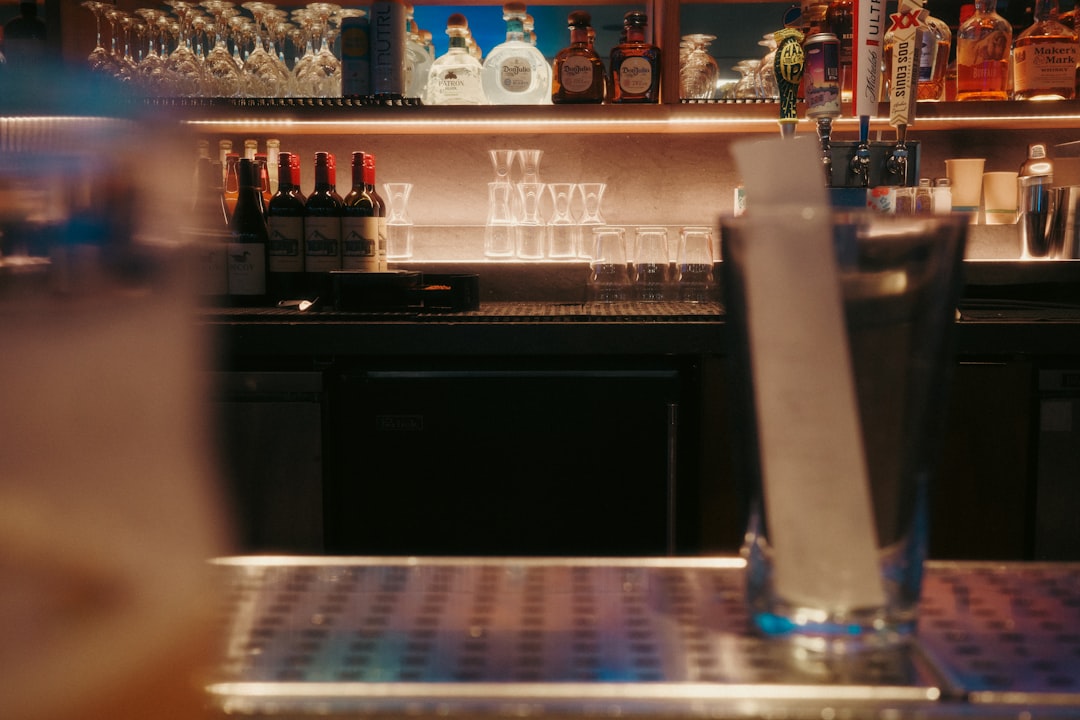
The world of wine can seem intimidating at first glance, with countless varietals, regions, and terminology that might overwhelm beginners. However, digital platforms have democratized wine education, making it possible for anyone with internet access to develop a sophisticated palate and deep understanding of viticulture.
Whether you’re aiming to impress at dinner parties, enhance your career in hospitality, or simply enjoy bottles more meaningfully, online wine education offers flexible, affordable pathways to expertise. From mobile applications that scan labels to university-level certification programs, the digital landscape provides resources for every learning style and budget.
🍇 Why Digital Wine Education Works So Well
Traditional wine courses often require significant time commitments and geographic proximity to specialized schools. Online learning removes these barriers entirely, allowing students to progress at their own pace while accessing world-class instructors.
The interactive nature of digital platforms enhances retention significantly. Video demonstrations show proper tasting techniques, virtual vineyard tours provide context for regional differences, and immediate quizzes reinforce newly acquired knowledge. Many platforms incorporate gamification elements that make learning genuinely enjoyable rather than feeling like homework.
Cost represents another compelling advantage. While in-person sommelier courses can exceed $5,000, reputable online alternatives often range between $50-$500 for comprehensive programs. This accessibility opens wine education to demographics previously excluded by financial constraints.
The Science Behind Effective Online Wine Learning
Research in educational psychology shows that spaced repetition and multi-sensory engagement dramatically improve long-term retention. Quality wine education apps leverage these principles by sending timed reminders, encouraging users to taste wines alongside lessons, and presenting information through multiple formats (text, video, audio, and interactive quizzes).
Digital platforms also enable personalized learning paths. Algorithms assess your current knowledge level and adapt content difficulty accordingly, ensuring you’re neither bored with overly basic material nor overwhelmed by advanced concepts before you’re ready.
📱 Essential Apps for Building Wine Knowledge
Mobile applications have revolutionized how enthusiasts discover, track, and learn about wines. These tools transform every bottle into a learning opportunity, building expertise through consistent exposure and structured guidance.
Vivino stands as the world’s largest wine community app, with over 50 million users contributing ratings and reviews. Its label-scanning feature instantly provides detailed information about any wine, including average ratings, price comparisons, food pairings, and expert notes. The app’s learning component comes from exposure to thousands of wines across different categories, helping users recognize patterns and develop preferences.
Beyond simple cataloging, apps like WSET Wine Tutor offer structured curricula aligned with professional certification standards. These platforms include comprehensive study materials, practice exams, and systematic tasting exercises that prepare students for formal credentials recognized throughout the hospitality industry.
Maximizing App-Based Learning
Simply downloading an app won’t transform you into an expert. Strategic use involves several key practices:
- Active tasting sessions: Don’t just scan labels passively. Purchase wines across different varietals and regions, then use apps to guide structured tastings.
- Regular engagement: Spend 15-20 minutes daily reviewing flashcards, watching educational videos, or reading tasting notes to build consistent knowledge.
- Community participation: Engage with other learners through app forums, sharing observations and asking questions to deepen understanding.
- Tracking your journey: Maintain detailed records of wines tasted, noting personal reactions alongside professional descriptions to calibrate your palate.

🎓 Structured Online Courses and Certifications
For those seeking formal credentials or systematic education, numerous online platforms offer comprehensive wine programs. These range from introductory courses to advanced professional certifications that can enhance career prospects in restaurants, retail, or hospitality management.
The Wine & Spirit Education Trust (WSET) provides globally recognized qualifications across four levels. Their online offerings include Level 1 Foundation, Level 2 Intermediate, and preparation materials for higher levels. Over 100,000 students complete WSET certifications annually, with credentials respected by employers worldwide.
Coursera and Udemy host dozens of wine courses from institutions like the University of California, Davis, which pioneered academic viticulture programs. These typically span 4-8 weeks, with video lectures, reading materials, discussion forums, and graded assignments. Prices range from $30 for basic introductions to $200+ for specialized topics like wine chemistry or business management.
Choosing the Right Program for Your Goals
| Learning Goal | Recommended Program Type | Typical Duration | Investment Range |
|---|---|---|---|
| Personal enjoyment | Introductory app-based courses | Self-paced | $0-$50 |
| Career advancement | WSET Level 2 or 3 | 8-16 weeks | $500-$1,200 |
| Professional sommelier | Court of Master Sommeliers | 1-3 years | $2,000-$10,000 |
| Wine business | University certificate programs | 3-6 months | $800-$2,500 |
Consider your available time commitment honestly. Self-paced programs offer maximum flexibility but require discipline. Structured courses with deadlines and live sessions provide accountability that helps many students stay engaged through completion.
🍷 Mastering the Fundamentals Through Digital Resources
Regardless of which platform you choose, certain core knowledge areas form the foundation of wine expertise. Online resources excel at teaching these building blocks through repeated exposure and varied presentation methods.
Understanding Grape Varietals and Regional Characteristics
The world produces wine from over 10,000 grape varieties, though approximately 100 account for most commercial production. Digital flashcard systems help learners memorize key characteristics of major varietals like Cabernet Sauvignon, Pinot Noir, Chardonnay, and Sauvignon Blanc.
Interactive maps available on platforms like Wine Folly show how climate, soil composition, and traditional practices shape regional wine styles. Understanding why Burgundy Chardonnay differs dramatically from California versions requires grasping these geographic influences, which visual digital tools illustrate far more effectively than text alone.
Developing Tasting Skills and Sensory Vocabulary
Professional wine evaluation follows systematic approaches that anyone can learn. The deductive tasting method involves examining appearance, nose, palate, and drawing conclusions about grape variety, climate, age, and quality level.
Online courses teach this methodology through demonstration videos showing proper swirling techniques, nosing methods, and palate evaluation. Accompanying tasting grids provide structured frameworks for recording observations, gradually building a sophisticated sensory vocabulary.
Quality programs include aroma kit recommendations featuring common wine scents like black currant, vanilla, petroleum, and wet stone. Training your nose with these reference points dramatically improves your ability to identify components in complex wines.
🌍 Exploring Wine Regions From Your Living Room
One of online education’s most compelling features is virtual access to wine regions across six continents. High-quality video content transports learners to vineyards in Tuscany, Napa Valley, Mendoza, and beyond, providing context that deepens appreciation.
YouTube channels like Wine Folly and The Wine Show offer professionally produced content exploring specific regions, interviewing winemakers, and explaining local traditions. These free resources complement paid courses, providing visual richness that enhances understanding of terroir and production methods.
Virtual Tastings and Live Streaming Events
The pandemic accelerated adoption of virtual tasting experiences hosted by wineries, sommeliers, and educators. Participants receive curated wine selections shipped to their homes, then join live video sessions where experts guide structured tastings and answer questions in real-time.
These events bridge the gap between solitary online learning and communal wine culture. Platforms like CellarPass and Somm TV regularly schedule virtual tastings featuring prestigious producers and notable wine personalities, creating networking opportunities alongside education.
💡 Practical Tips for Accelerating Your Wine Education
Knowledge acquisition accelerates dramatically when combined with intentional practice and strategic resource selection. These evidence-based approaches maximize learning efficiency.
Create a Structured Tasting Routine
Rather than randomly trying wines, establish a comparative tasting schedule. For example, dedicate one week to Pinot Noir from different regions (Oregon, Burgundy, New Zealand), noting how location influences style. The following week, compare Pinot Noir at different price points from a single region to understand quality markers.
This systematic approach builds pattern recognition faster than scattered exploration. Document each tasting with photos, notes, and ratings in apps that track your history, creating a personalized reference library.
Engage Multiple Learning Modalities
Research shows that combining reading, watching, listening, and doing produces superior retention compared to single-method learning. A comprehensive weekly routine might include:
- Reading wine articles or book chapters (30 minutes)
- Watching educational videos or documentaries (45 minutes)
- Listening to wine podcasts during commutes (variable)
- Conducting structured tastings with note-taking (60-90 minutes)
- Participating in online discussion forums (20 minutes)
Join Online Wine Communities
Learning accelerates within communities of practice. Facebook groups like Wine Berserkers and Reddit’s r/wine connect enthusiasts at all levels, facilitating knowledge exchange and recommendation sharing. Active participation exposes you to perspectives and bottles you might never encounter independently.
Many communities organize blind tasting challenges where members purchase the same wines and attempt identification without seeing labels. These exercises sharpen analytical skills while providing immediate feedback from experienced tasters.
🏆 Advanced Topics for Serious Students
Once foundational knowledge solidifies, online resources enable exploration of specialized subjects that distinguish casual enthusiasts from serious scholars.
Wine Chemistry and Production Techniques
Understanding how malolactic fermentation, oak aging, and lees contact influence flavor profiles allows you to predict wine characteristics from production descriptions alone. University courses from institutions like UC Davis offer deep dives into enology science, covering topics from yeast selection to sulfite management.
These technical subjects might seem daunting initially, but they unlock appreciation for winemaker decisions and explain why seemingly similar wines taste dramatically different.
Wine Business and Investment
For those interested in commercial aspects, specialized courses cover wine marketing, retail management, and fine wine investment. Platforms like the Wine Scholar Guild offer programs focused on business applications, preparing students for careers beyond tasting rooms.
Understanding market dynamics, pricing strategies, and collector behavior provides valuable context even for non-professionals, enhancing purchasing decisions and collection management.
🔍 Evaluating Online Wine Resources for Quality
The explosion of digital wine content creates a filtering challenge. Not all resources offer equal educational value, and some perpetuate misconceptions or oversimplifications.
Credibility Indicators to Seek
Prioritize content from certified wine professionals (WSET, Court of Master Sommeliers, Master of Wine) or established educational institutions. Check instructor credentials and look for transparent information about their qualifications and industry experience.
Production quality often correlates with content quality. While flashy videos don’t guarantee accuracy, professionally produced courses typically undergo editorial review that catches errors and ensures coherent progression.
User reviews provide valuable insights, but read critically. Look for specific feedback about curriculum structure, instructor responsiveness, and practical applicability rather than generic praise.
Red Flags That Signal Low-Quality Resources
- Absolute statements like “all wines from X region taste like Y”
- Excessive focus on expensive wines while ignoring value categories
- Wine snobbery or elitism that discourages beginner questions
- Outdated information about regions or production methods
- Lack of cited sources or expert credentials
📚 Complementing Digital Learning With Physical Resources
While online platforms provide convenience and interactivity, physical books offer depth and reference value that complement digital study. Building a small wine library enhances your education significantly.
The Wine Bible by Karen MacNeil remains the most comprehensive single-volume reference, covering regions, varietals, and wine culture in accessible language. The World Atlas of Wine by Hugh Johnson and Jancis Robinson provides unmatched cartographic detail for understanding terroir.
For technical depth, The Oxford Companion to Wine serves as an encyclopedic reference with contributions from hundreds of experts. These physical resources don’t replace online learning but provide alternative perspectives and detailed information to supplement digital courses.
🎯 Setting Realistic Learning Goals and Timelines
Wine education represents a lifelong journey rather than a destination. Setting achievable milestones prevents frustration and maintains motivation through inevitable plateaus.
Beginners might aim to confidently identify 10 major grape varietals within three months, or understand basic food pairing principles within six weeks. Intermediate students could target WSET Level 2 certification within six months or developing expertise in a specific region like Burgundy or Rioja over a year.
Track progress through regular self-assessment. Many apps include built-in progress tracking, but maintaining a personal journal documenting your evolving palate and growing knowledge provides motivational value and helps identify areas needing additional focus.
🌟 Transforming Knowledge Into Confident Enjoyment
The ultimate goal of wine education isn’t accumulating facts but enhancing enjoyment and confidence. Online learning succeeds when it enables you to select wines with assurance, articulate your preferences clearly, and appreciate the craftsmanship behind each bottle.
As your expertise grows, you’ll find that wine becomes a lens for exploring history, geography, chemistry, and culture. Digital platforms make this rich world accessible to anyone willing to invest time and curiosity, democratizing knowledge once reserved for privileged insiders.
Start your learning journey today with realistic expectations and genuine curiosity. Whether through mobile apps, structured courses, or community engagement, the digital wine education landscape offers pathways suited to every schedule, budget, and learning style. The bottles you’ll enjoy with newfound understanding make every moment invested worthwhile.
