
Anúncios
Discovering the art of wine pairing has never been more accessible, thanks to online learning platforms that bring expert knowledge straight to your screen.


Wine harmonization transforms ordinary meals into extraordinary experiences. When you match the right bottle with your dish, flavors intensify, textures complement each other, and every bite becomes memorable. Learning this skill online offers flexibility, expert guidance, and the ability to progress at your own pace.
The digital landscape has revolutionized wine education, making professional-level training available to anyone with an internet connection. Whether you’re a home cook wanting to elevate dinner parties or an aspiring sommelier building foundational knowledge, online courses deliver structured learning paths that fit your schedule and budget.
🍷 Understanding the Fundamentals of Wine Pairing
Before diving into specific combinations, grasping core principles sets you up for success. Wine harmonization relies on balancing weight, acidity, sweetness, tannins, and flavor intensity between food and wine.
The weight principle matches lighter wines with delicate dishes and fuller-bodied wines with richer foods. A crisp Pinot Grigio pairs beautifully with grilled fish, while a robust Cabernet Sauvignon stands up to a marbled ribeye steak. This fundamental rule prevents one element from overwhelming the other.
Acidity creates brightness and cuts through fatty foods. High-acid wines like Sauvignon Blanc or Chianti work exceptionally well with cream-based sauces or fried foods, cleansing your palate between bites. This contrast creates balance rather than monotony.
Sweetness in wine should match or exceed the sweetness in food. When serving desserts, choose wines sweeter than the dish itself, or the wine will taste bitter and unpleasant. A chocolate torte demands a Port or late-harvest Riesling to maintain harmony.
The Role of Tannins in Food Matching
Tannins—those compounds that create a drying sensation in your mouth—interact powerfully with proteins and fats. Red wines high in tannins (Nebbiolo, Cabernet Sauvignon, Syrah) pair exceptionally with grilled meats, aged cheeses, and dishes with umami-rich ingredients.
Protein softens tannins, making the wine taste smoother and the food more flavorful. This chemical reaction explains why a tannic Barolo transforms when enjoyed alongside braised short ribs, creating synergy impossible to achieve when drinking the wine alone.
🎓 Top Online Platforms for Wine Education
Several reputable online schools offer comprehensive wine pairing courses. The Wine & Spirit Education Trust (WSET) provides internationally recognized certifications ranging from beginner to professional levels. Their online programs include video tutorials, tasting exercises, and interactive quizzes.
Coursera partners with universities to deliver academic-quality wine courses. The University of California, Davis offers “Introduction to Wine Tasting” which covers pairing fundamentals alongside viticulture and winemaking processes. These courses typically span 4-6 weeks with weekly modules.
MasterClass features renowned sommeliers teaching the art of wine appreciation and pairing. James Suckling’s course combines storytelling with practical advice, demonstrating pairings through filmed dinners and tastings. The production quality makes complex concepts accessible and engaging.
Specialized Wine Apps for Daily Learning
Mobile applications complement structured courses by providing on-demand reference tools. Vivino allows users to scan wine labels, read community reviews, and access pairing suggestions for thousands of bottles. The app’s database includes over 12 million wines with crowd-sourced pairing recommendations.
Delectable offers similar functionality with enhanced sommelier-curated content. Professional tasting notes help you understand flavor profiles and ideal food matches. Both apps turn every wine purchase into a learning opportunity.

🌍 Regional Pairing Traditions Worth Studying
Understanding traditional regional pairings provides a blueprint developed over centuries. Italian cuisine and wine evolved together, creating natural affinities. Tuscany’s Sangiovese-based wines complement tomato-heavy pasta dishes, while Piedmont’s Barolo matches the region’s truffle-infused risottos and braised meats.
French gastronomic traditions offer equally instructive examples. Champagne and oysters, Sancerre and goat cheese, Burgundy Pinot Noir and coq au vin—these classic combinations demonstrate how local agriculture and winemaking practices create harmonious pairings.
| Region | Classic Wine | Traditional Pairing | Why It Works |
|---|---|---|---|
| Burgundy, France | Chablis | Oysters | High acidity cuts brininess; mineral notes echo the sea |
| Rioja, Spain | Tempranillo | Lamb chops | Medium tannins match meat proteins; oak complements char |
| Mosel, Germany | Riesling | Spicy Asian cuisine | Sweetness balances heat; acidity refreshes palate |
| Mendoza, Argentina | Malbec | Grilled steak | Bold fruit matches smoke; full body matches richness |
Learning Through Virtual Wine Tours
Many online courses now incorporate virtual vineyard tours and winery visits, providing geographical context for pairing traditions. Understanding terroir—how soil, climate, and topography influence wine character—deepens your appreciation for why certain combinations work.
These immersive experiences show you the landscapes where grapes grow, the cellars where wines age, and the kitchens where chefs create complementary dishes. This holistic approach connects theory with the cultural reality behind great pairings.
🥘 Building a Practical Pairing Framework
Moving beyond memorization, developing a systematic approach empowers you to pair wines confidently with any dish. Start by analyzing the food’s dominant characteristics: protein type, cooking method, sauce components, and seasoning profile.
Identify the dish’s primary flavor—is it savory, sweet, spicy, bitter, or umami? Match this with a wine that either complements (similar flavors) or contrasts (opposing characteristics that balance). A sweet-and-sour pork dish works with off-dry Riesling (complement) or crisp Grüner Veltliner (contrast through acidity).
The Sauce Decides the Wine
Professional sommeliers often say “match the wine to the sauce, not the protein”. A chicken breast can pair with white or red wine depending on preparation. Roasted chicken with lemon and herbs calls for Chardonnay, while chicken in red wine reduction demands Pinot Noir.
Cream sauces require wines with sufficient acidity to cut richness—Champagne, Chablis, or even a crisp rosé. Tomato-based sauces need wines with their own acidity to avoid tasting flat—Italian reds like Chianti or Barbera excel here.
- Butter-based sauces: Pair with oaked Chardonnay or white Burgundy
- Spicy pepper sauces: Choose off-dry wines like Gewürztraminer or Zinfandel
- Mushroom reductions: Match with earthy Pinot Noir or aged Rioja
- Citrus vinaigrettes: Select high-acid wines like Albariño or Vermentino
- Cheese sauces: Opt for full-bodied whites or light reds with good acidity
🧀 Mastering Cheese and Wine Combinations
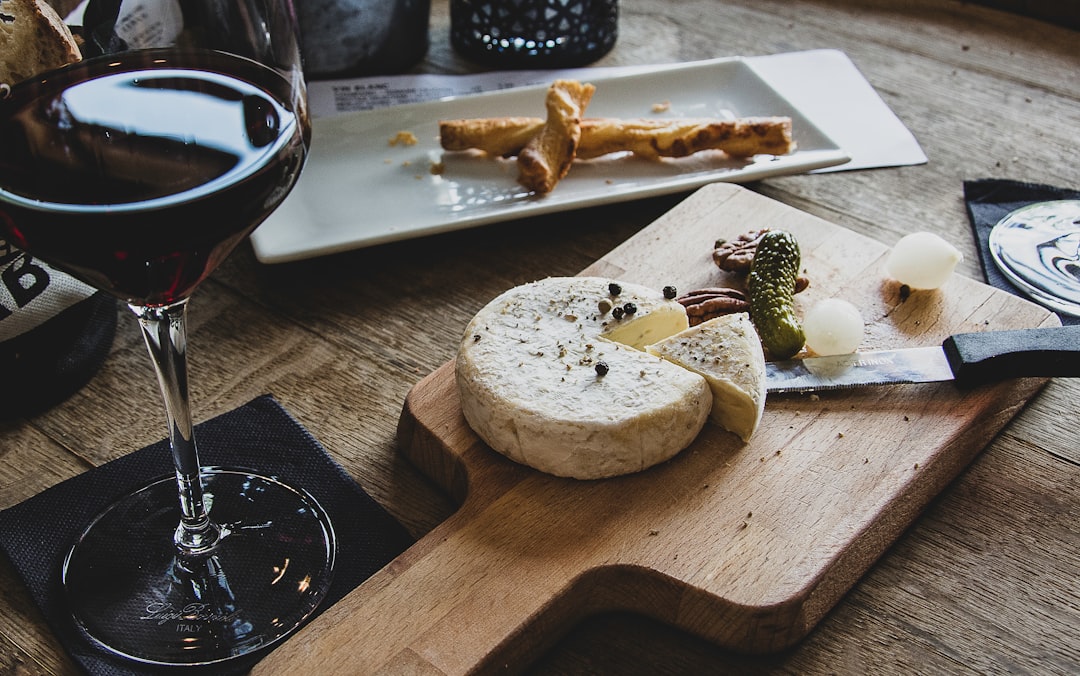
Cheese pairing represents a specialization within wine harmonization. The diversity of cheese types—fresh, soft, semi-hard, hard, blue—requires different pairing strategies based on texture, fat content, and aging.
Fresh cheeses like mozzarella, chèvre, and ricotta pair beautifully with crisp, unoaked whites. Sauvignon Blanc’s grassy notes complement goat cheese’s tanginess, while Prosecco’s bubbles cut through creamy burrata.
Aged hard cheeses develop complex, nutty flavors that match mature wines. Parmigiano-Reggiano finds harmony with aged Barolo, both sharing similar development profiles. The wine’s tannins have softened, and the cheese’s proteins create textural balance.
Blue Cheese Pairing Strategies
Blue cheeses present unique challenges due to their intense, salty, pungent character. Sweet wines provide the most successful matches—Sauternes with Roquefort, Port with Stilton, late-harvest Riesling with Gorgonzola. The sweetness balances saltiness while matching intensity with intensity.
Alternatively, high-alcohol wines like Amarone or fortified wines offer enough power to stand alongside bold blue cheeses without sweetness. Experimentation reveals personal preferences within these broad guidelines.
🍰 Dessert Wine Pairing Principles
Dessert courses require special consideration. The cardinal rule remains: wine must be sweeter than the food. A moderately sweet dessert will make a moderately sweet wine taste sour and unbalanced.
Chocolate desserts work exceptionally well with fortified wines. Ruby Port pairs with dark chocolate, Banyuls complements milk chocolate, and PX Sherry matches white chocolate’s richness. The wine’s concentrated fruit flavors echo chocolate’s intensity.
Fruit-based desserts call for wines featuring similar fruits. Apple tart pairs with Chenin Blanc or Calvados, berry pavlova matches Lambrusco or Brachetto d’Acqui, and lemon tart demands Moscato d’Asti’s citrus notes.
Ice Wine and Passito Selections
Ice wines from Canada and Germany offer concentrated sweetness with balancing acidity, making them versatile dessert partners. Their apricot, honey, and tropical fruit flavors complement crème brûlée, fruit tarts, and nut-based desserts.
Italian Passito wines—made from dried grapes—deliver similar intensity with regional character. Vin Santo with almond biscotti represents a classic Tuscan pairing, the wine’s oxidative notes matching the cookies’ toasted flavors.
📚 Developing Your Palate Through Structured Tastings
Online learning proves most effective when combined with practical tasting exercises. Many courses provide tasting kits or recommend specific bottles to purchase locally. Structured tastings follow a methodology: observe appearance, analyze aroma, evaluate taste, and assess finish.
Comparative tastings accelerate learning. Taste the same wine with different foods to understand how interactions change perception. Try Sauvignon Blanc with plain fish, then with the same fish in lemon-butter sauce. The differences reveal acidity’s role in pairing.
Keep a tasting journal documenting wines, foods, and your observations. Note what worked, what didn’t, and why. Over time, patterns emerge that build your personal pairing philosophy beyond textbook rules.
Training Your Sensory Memory
Recognizing wine characteristics requires training your sensory memory. Online courses often include aroma kits or digital smell libraries helping you identify common wine aromas—black currant, vanilla, tobacco, rose petals, minerality.
Practice blind tastings with friends or family. Pour wines in covered glasses and guess varietals based on sensory clues. This exercise sharpens your analytical skills and builds confidence in your palate.
🌶️ Handling Difficult-to-Pair Foods
Certain ingredients challenge even experienced sommeliers. Artichokes contain cynarin, making wines taste sweet and metallic. Asparagus creates vegetal flavors that clash with many wines. Vinegar’s high acidity overwhelms delicate wines.
For artichokes, choose wines with their own vegetal character—Verdicchio or dry rosé. Asparagus pairs best with Sauvignon Blanc from New Zealand, which shares green, grassy notes. Dishes with vinegar-based dressings need high-acid wines or work better with beer.
Spicy Food Pairing Solutions
Spicy cuisines from Thailand, India, and Mexico require specific strategies. Heat intensifies alcohol’s burn, making high-alcohol wines uncomfortable. Instead, select off-dry wines with lower alcohol—German Riesling, Alsatian Gewürztraminer, or Portuguese Vinho Verde.
Sweetness counters spice by providing relief, while bubbles refresh the palate. Sparkling wines like Cava or Prosecco work surprisingly well with spicy foods, their effervescence lifting flavors rather than fighting them.
💡 Creating Your Personal Pairing Style
After mastering fundamentals, develop your unique approach. Some people prefer complementary pairings that echo flavors; others enjoy contrasting combinations that create dynamic tension. Neither approach is wrong—personal preference guides your choices.
Experiment with unconventional pairings. Orange wine (white grapes fermented with skins) pairs wonderfully with Korean cuisine. Natural wines with funky characteristics match fermented foods. Breaking rules intentionally, based on understanding, leads to discoveries.
Consider the occasion and context. Casual weeknight dinners allow for simple, reliable pairings. Special celebrations justify rare bottles and elaborate matches. Understanding when to impress and when to keep things simple demonstrates sophistication.
Building a Versatile Wine Collection
Online courses often recommend building a core collection covering major food pairing scenarios. A basic selection might include:
- Sparkling wine: Champagne or quality Cava for versatility
- Crisp white: Sauvignon Blanc or Albariño for seafood and salads
- Rich white: Oaked Chardonnay for poultry and cream sauces
- Light red: Pinot Noir for salmon, mushrooms, and lighter meats
- Medium red: Chianti or Côtes du Rhône for pasta and pizza
- Bold red: Cabernet Sauvignon or Malbec for steaks and stews
- Sweet wine: Port or late-harvest Riesling for desserts and cheese
This foundation handles most dining situations while you continue exploring specialized bottles and regions.
🎯 Applying Knowledge in Real-World Situations
Translating online learning into practical skills happens through regular application. Host tasting dinners where you prepare dishes specifically to showcase pairing principles. Invite friends to participate, discussing why combinations work or fail.
When dining at restaurants, study wine lists and challenge yourself to select appropriate pairings. Ask sommeliers about their choices—most love sharing knowledge and explaining their reasoning. These conversations provide mentorship opportunities beyond formal courses.
Practice describing wines using proper terminology. Instead of “I like it,” articulate what you taste: “This Chablis shows green apple and wet stone aromas with crisp acidity that cuts through the oyster’s brininess.” Precise language deepens understanding.
Continuing Education and Advanced Topics
Wine education never truly ends. After completing foundational courses, explore specialized topics: natural wines, biodynamic viticulture, specific regions like Burgundy or Piedmont, or advanced sommelier certifications.
Join online wine communities and forums where enthusiasts share experiences. Reddit’s wine community, WineBerserkers, and local wine club virtual meetings provide ongoing learning and networking opportunities.
The journey from beginner to confident wine pairer unfolds through consistent practice, curiosity, and willingness to experiment. Online learning platforms democratize knowledge once reserved for industry professionals, making expertise accessible to anyone passionate about the intersection of food and wine. With structured education, practical application, and an open mind, you’ll develop skills that enhance every meal and deepen your appreciation for one of humanity’s oldest crafts.
