
Anúncios
Castles have captured human imagination for centuries, and today you can explore their secrets, architecture, and history without leaving your home through innovative online platforms and digital resources. 🏰


The digital age has transformed how we access knowledge about medieval fortresses, royal residences, and ancient strongholds. From virtual tours to interactive 3D models, online castle learning offers unprecedented access to architectural marvels across continents.
Whether you’re a history enthusiast, architecture student, or simply curious about these magnificent structures, the internet provides countless opportunities to deepen your understanding of castles, their construction, cultural significance, and the societies that built them.
Why Learning About Castles Online Makes Sense Today 🌐
Digital castle education has grown exponentially over the past decade. Major museums, historical societies, and cultural institutions now offer free virtual access to castle collections, archaeological findings, and expert commentary that was previously available only to academics or wealthy travelers.
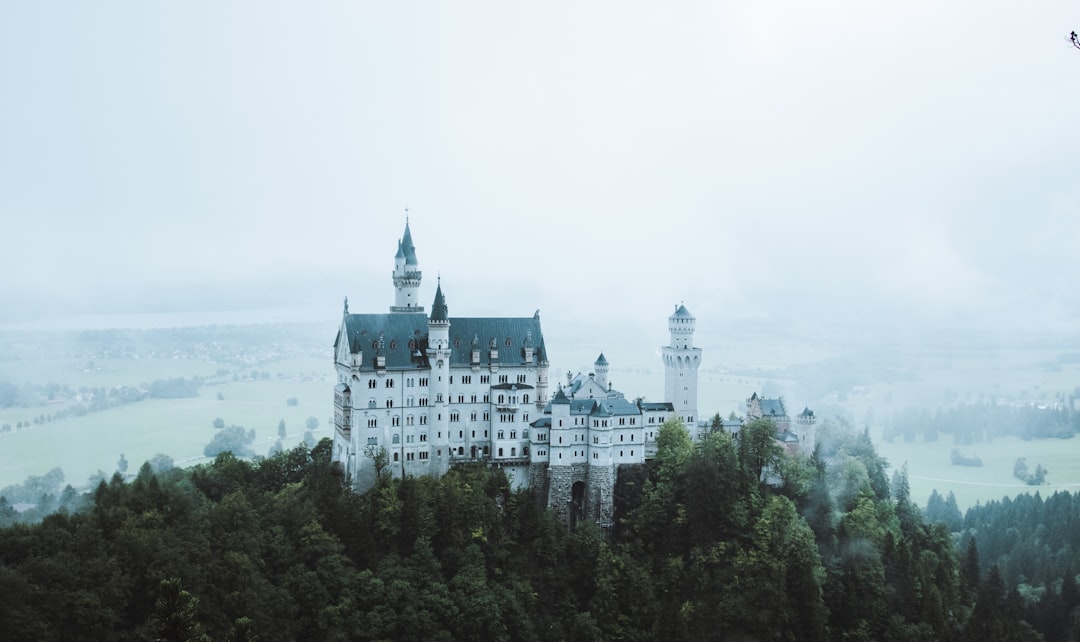
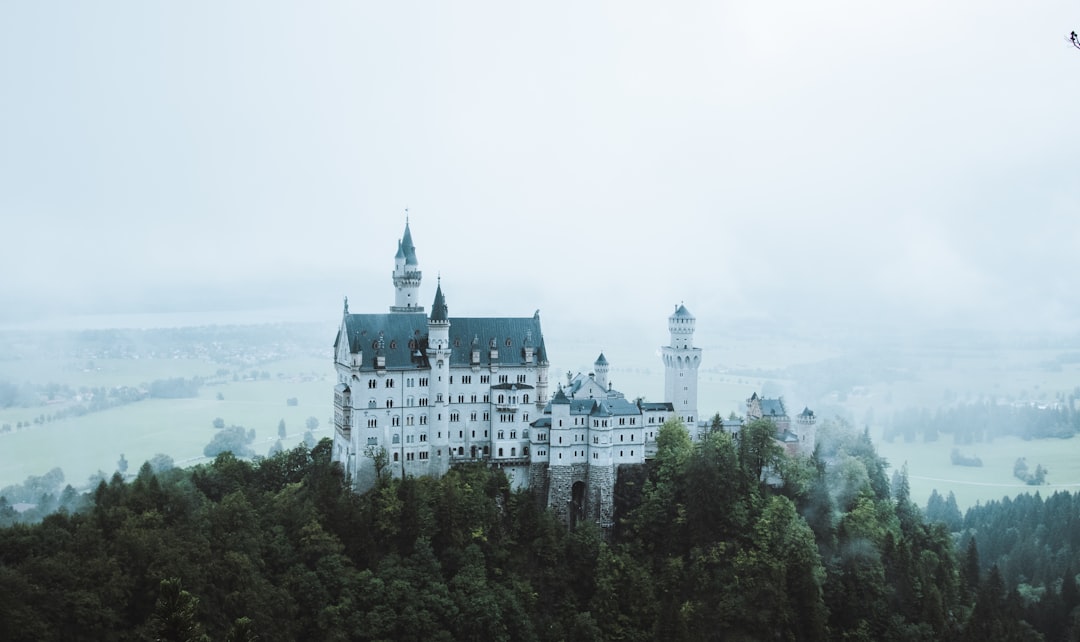
Online learning removes geographical barriers. You can study Neuschwanstein Castle in Germany in the morning, explore Edinburgh Castle in Scotland by afternoon, and examine Japanese castles by evening—all from your desk or smartphone.
The cost savings are substantial. A European castle tour might cost thousands of dollars in flights, accommodation, and entrance fees. Online resources offer similar educational value for free or minimal subscription costs, making castle studies accessible to everyone regardless of economic status.
Interactive features enhance learning retention. Studies show that 3D models, zoom capabilities, and multi-angle viewing improve information retention by 40-60% compared to static textbook images.
Top Digital Platforms for Castle Exploration 🏛️
Several platforms have emerged as leaders in digital castle education, each offering unique features and collections:
Google Arts & Culture
This platform hosts high-resolution imagery of castles worldwide. The Street View integration lets you walk through castle corridors virtually, examining architectural details at your own pace. Collections include over 200 European castles with detailed historical narratives written by curators.
The platform’s “Compare” feature allows side-by-side examination of different castles, highlighting architectural evolution across periods and regions. You can compare Norman fortifications with later Renaissance palaces to understand how military needs and artistic trends shaped design.

Historic Royal Palaces Digital Collections
Focused on British castles and palaces, this resource provides in-depth archival materials including original construction documents, royal correspondence, and inventory lists from various historical periods. The Tower of London collection alone contains 10,000+ digitized artifacts.
CastlesWorld Virtual Tours
This specialized platform offers 360-degree panoramic tours of over 150 castles across 30 countries. Their mobile app includes audio guides in 12 languages, making it accessible to international learners.
Understanding Castle Architecture Through Digital Tools 📐
Online learning excels at breaking down complex architectural concepts into understandable components. Modern digital tools allow you to examine castle construction layer by layer.
Key Structural Elements You’ll Discover
Curtain walls formed the primary defensive perimeter. Interactive diagrams show how thickness varied from 8 feet in early Norman castles to 20+ feet in later Crusader fortifications. You can rotate 3D models to see how walls connected to towers and gates.
Keep or donjon served as the final refuge during sieges. Virtual cross-sections reveal multiple floors, storage areas, living quarters, and defensive positions. Some platforms include archaeological data showing how keeps evolved from simple wooden structures to sophisticated stone towers.
Barbicans and gatehouses controlled entry points. Digital reconstructions demonstrate murder holes, portcullises, and drawbridge mechanisms in action—features difficult to appreciate in ruins but clearly visible in animated models.
Moats and water defenses provided additional protection. Topographical maps overlay historical and current landscapes, showing how water sources influenced castle placement and siege vulnerabilities.
Defensive Features Explained Visually
Arrow loops (or arrow slits) appear simple but involved sophisticated geometry. Online resources provide measurements, angles, and firing demonstrations showing how defenders could shoot while remaining protected. Different designs suited crossbows versus longbows.
Machicolations—those projecting galleries you see on castle tops—allowed defenders to drop objects on attackers below. Animation sequences illustrate their tactical use during sieges, something static images cannot convey.
Historical Periods and Regional Variations 🕰️
Online castle education excels at comparative history. You can trace architectural evolution across centuries and continents simultaneously.
Motte-and-Bailey (11th Century)
These early post-conquest fortifications featured wooden structures atop earthen mounds. Digital reconstructions based on archaeological evidence show how quickly Normans could build these—sometimes in weeks—to control conquered territories. Bayeux Tapestry digitizations provide contemporary visual evidence of their appearance.
Stone Keep Castles (12th Century)
The transition from wood to stone marked a revolution in military architecture. Timeline tools on educational platforms illustrate this shift, showing specific examples like Rochester Castle (1127) with detailed construction dates and techniques. You can examine quarrying methods, stone transportation, and masonry skills through illustrated manuscripts and modern archaeological findings.
Concentric Castles (13th Century)
Influenced by Crusader experiences in the Middle East, these featured multiple defensive rings. Beaumaris Castle in Wales represents the pinnacle of this design. Aerial photography combined with historical floor plans helps you understand how these “castles within castles” functioned during attacks.
Palatial Castles (14th-16th Centuries)
As gunpowder reduced defensive effectiveness, castles became luxury residences. Loire Valley châteaux exemplify this transition. Virtual tours reveal elaborate gardens, decorative arts, and residential comforts that replaced military features. Comparison tools show how gun ports replaced arrow loops and thick walls gave way to large windows.
Regional Castle Traditions Worth Exploring 🌍
Different cultures developed distinct castle forms based on local threats, materials, and traditions. Online resources make global comparisons effortless.
Japanese Castles
These featured wood and stone combinations unknown in Europe. Himeji Castle virtual tours reveal complex maze-like approaches designed to confuse attackers. The layered roofs served both aesthetic and defensive purposes—online architectural diagrams explain the engineering behind their earthquake resistance.
Crusader Castles
Krak des Chevaliers in Syria represents medieval military architecture at its finest. Before recent conflicts damaged it, extensive documentation captured its features. Digital archives preserve this knowledge, showing how Crusaders adapted European designs to Middle Eastern conditions and warfare.
Spanish Alcázars
Blending Islamic and Christian architectural traditions, these fortifications showcase cultural synthesis. The Alcázar of Segovia provides perfect online case study material—you can trace construction phases from Roman foundations through Moorish additions to Catholic renovations.
Practical Skills You Develop Through Online Castle Study 🎓
Beyond historical knowledge, digital castle exploration builds transferable skills valuable in multiple fields.
Visual Literacy and Spatial Reasoning
Interpreting floor plans, elevations, and cross-sections strengthens spatial intelligence. Architects and engineers recognize these skills as fundamental. Online castle platforms often include quizzes asking you to match 2D plans with 3D models, developing this ability systematically.
Historical Research Methodology
Many platforms provide primary source access—medieval tax records, building accounts, and correspondence. Learning to interpret these documents teaches critical evaluation of evidence, distinguishing reliable sources from speculation. This methodology applies to any historical or research context.
Comparative Analysis
Online tools make systematic comparison natural. You might compare construction costs across regions, defensive effectiveness of different designs, or living conditions for various social classes. These analytical skills transfer directly to academic writing, business analysis, and strategic thinking.
Interactive Learning Features That Enhance Understanding 💡
The best online castle resources go beyond passive viewing to create engaging educational experiences.
Timeline Tools
Interactive timelines let you slide through centuries, watching castle designs evolve. You might start at 1066 with simple motte-and-bailey structures and drag forward to 1600, watching defenses become decorations. Associated images, diagrams, and text explain each transition.
Before-and-After Comparisons
Slider images show castles as ruins today versus digital reconstructions of their original glory. Bodiam Castle in England looks picturesque but incomplete in modern photos. Reconstruction overlays reveal the original roof lines, timber structures, and bright plaster walls—dramatically different from romantic ruin imagery.
Siege Simulations
Some educational games let you attack or defend castles using period-appropriate weapons and tactics. These aren’t just entertainment—they’re physics-based simulations showing why certain architectural features succeeded or failed. You discover firsthand how trebuchet angles affected wall damage or how boiling oil distribution points were positioned.
Material and Cost Calculators
Ever wonder what building a castle actually cost? Some platforms include calculators where you input dimensions and get estimates for stone quantities, labor hours, and medieval currency costs (converted to modern equivalents). Dover Castle required approximately £6,500 in the 1180s—roughly $50 million in today’s money.
Specialized Topics for Deep Learning 📚
Once you grasp castle basics, online resources support specialized study in niche areas.
Castle Provisioning and Logistics
How did 200+ people survive months-long sieges? Digital archives of household accounts reveal food storage, water systems, and supply chains. Warwick Castle records from 1431 list 40 oxen, 600 sheep, and thousands of gallons of ale prepared for potential siege—giving concrete numbers to abstract concepts.
Daily Life and Social Hierarchy
Virtual room reconstructions show where different social classes lived, worked, and slept. The lord’s private chambers contrast sharply with servant quarters. Interactive floor plans identify kitchens, chapels, great halls, and private apartments, explaining each space’s function in castle society.
Castle Myths Versus Reality
Online historical societies debunk common misconceptions. Moats weren’t always filled with water—dry ditches were common. Torture chambers are mostly Victorian inventions added to attract tourists. Drawbridges weren’t as universal as movies suggest. Access to scholarly research helps distinguish fact from Hollywood fiction.
Creating Your Personal Castle Learning Path 🛤️
With thousands of online resources available, structuring your learning prevents overwhelm and ensures steady progress.
Beginner Route (Month 1-2)
Start with broad surveys covering basic terminology, major periods, and famous examples. Google Arts & Culture collections provide excellent introductions with curated selections. Aim to understand 20-30 key terms and identify 10 major castle types.
Watch documentary series available on educational platforms. “Secrets of Great British Castles” offers entertaining yet informative overviews. Take notes on construction techniques, historical contexts, and specific examples mentioned.
Intermediate Development (Month 3-4)
Focus on one region or period for deeper study. If medieval Wales interests you, explore Edward I’s castle-building campaign—eight major fortifications built 1277-1304. Online resources include construction records, maps showing strategic placement, and comparisons between individual castles.
Join online forums or social media groups dedicated to castle studies. Communities like r/castles on Reddit or specialized Facebook groups connect you with enthusiasts and experts who answer questions and recommend resources.
Advanced Specialization (Month 5+)
Tackle academic papers and specialized monographs available through online archives. Many universities provide open access to archaeological reports and historical research. Choose a narrow focus—perhaps siege warfare technology or residential architecture evolution—and read systematically.
Consider contributing to projects like Wikipedia’s castle articles or transcription initiatives digitizing historical documents. Applying knowledge through teaching or contribution deepens understanding.
Mobile Apps for Castle Learning On-the-Go 📱
Smartphone apps extend learning beyond desktop study sessions, fitting education into daily routines.
The Google Arts & Culture app includes augmented reality features letting you place virtual castles in your physical space. Point your phone at your living room floor and watch a scaled model of Windsor Castle appear, which you can walk around and examine from all angles.
Castle-specific apps often include offline mode for traveling. If you’re visiting European castles, apps provide contextual information without requiring data connections—historical background, architectural highlights, and recommended viewpoints enhance physical visits.
Quiz apps test your knowledge during commutes or breaks. “Castle Quiz Master” includes 500+ questions ranging from basic identification to advanced architectural terminology, tracking your progress and identifying weak areas.
Connecting Online Learning with Real-World Visits 🚗
Digital study enhances physical castle experiences rather than replacing them. Informed visitors notice details others miss.
Before visiting any castle, review online resources covering its history, architecture, and current condition. Understanding which sections are original versus restored focuses your attention on the most significant features. Floor plans help navigation, especially in complex sites where signage might be limited.
During visits, apps provide layered information. Point your camera at architectural features for instant identification and explanation—this putlog hole held scaffolding beams during construction, that corbel supported a now-vanished timber floor.
After visiting, online resources help process and retain what you saw. Upload photos to comparison tools identifying similar features in other castles. Read detailed analyses explaining elements you noticed but didn’t fully understand during your visit.
The Future of Digital Castle Education 🚀
Emerging technologies promise even richer learning experiences in coming years.
Virtual reality headsets create immersive experiences impossible with flat screens. Walking through Carcassonne’s medieval streets with VR transports you to another era. Reconstruction quality continues improving as archaeological evidence informs ever-more-accurate models.
Artificial intelligence personalizes learning paths based on your interests and progress. AI tutors answer questions in natural conversation, explain difficult concepts with customized examples, and suggest resources matching your learning style.
Crowd-sourced research projects invite public participation in digitizing archives, transcribing documents, and analyzing archaeological data. These initiatives democratize scholarship while accelerating research that small academic teams couldn’t complete alone.
Climate change adds urgency to digital preservation. Coastal castles face erosion, extreme weather damages structures, and rising seas threaten some sites. Comprehensive digital documentation ensures knowledge survives even if physical structures don’t.
Resources Beyond Visual Tours 🎬
Diversifying your learning sources creates a more complete understanding of castle culture and significance.
Podcasts and Audio Content
“Medieval Archives” podcast features historians discussing recent archaeological discoveries and reinterpretations of castle history. Episodes run 30-45 minutes—perfect for commutes—and include interviews with excavators, architectural historians, and conservation experts.
Online Courses and Lectures
Universities offer free courses through platforms like Coursera and edX. “Castle Studies: Architecture and Society” from the University of Sheffield provides professor-led instruction with readings, assignments, and peer discussion. While optional paid certificates exist, audit access costs nothing.
Digital Libraries and Archives
The British Library, Bibliothèque Nationale de France, and similar institutions digitized thousands of medieval manuscripts including castle construction manuals, siege accounts, and illustrated chronicles. High-resolution scans let you examine original documents that previously required in-person archive visits and special permissions.
Making Your Castle Knowledge Work for You 💼
Castle expertise isn’t purely academic—practical applications exist across multiple fields.
Historical consultants for film and television need castle knowledge to ensure period accuracy. Understanding architectural details, appropriate materials, and historical contexts makes you valuable to production teams.
Tourism professionals benefit from deep castle knowledge. Tour guides, travel bloggers, and heritage site managers who provide accurate, engaging information stand out in competitive markets. Online learning builds expertise without expensive formal education.
Game developers and digital artists creating historical settings require authentic architectural reference. Your research skills and visual library of castle features translate directly into better virtual world design.
Teachers across subjects—history, architecture, engineering, art—incorporate castle examples into lessons. Online resources provide ready-made visual aids and detailed information supporting educational objectives.
Learning about castles online opens doors to magnificent architectural achievements, complex historical narratives, and fascinating cultural insights. The abundance of free, high-quality digital resources means anyone with curiosity and internet access can become knowledgeable about these enduring symbols of medieval life. Start exploring today—your personal castle education awaits just a click away.
