
Anúncios
Learning tango online has transformed how dancers worldwide access this passionate Argentine art form, bringing world-class instruction directly to your living room.


Tango dancing captures hearts with its dramatic movements, intimate connection, and rich cultural heritage. Whether you’re drawn to the sultry music, elegant footwork, or emotional expression, online learning platforms now make mastering this dance style more accessible than ever before.
Digital tango instruction has evolved dramatically over the past decade. What started as simple YouTube tutorials has blossomed into comprehensive programs featuring professional instructors, structured curricula, and interactive feedback systems. Today’s learners enjoy flexibility, affordability, and access to maestros they could never meet in traditional studios.
🎭 Understanding Tango’s Unique Character
Tango stands apart from other partner dances through its distinctive embrace system and improvisational nature. Unlike choreographed ballroom styles, tango thrives on spontaneous communication between partners through subtle body signals called la marca (the lead).
The dance originated in the working-class neighborhoods of Buenos Aires and Montevideo during the 1880s. African rhythms, European immigration influences, and local folk traditions merged to create something entirely new. This multicultural foundation gives tango its complex emotional range.
Modern tango splits into several recognized styles:
- Tango Salon: Traditional social dancing with elegant posture and smooth floor navigation
- Tango Milonguero: Close-embrace style developed in crowded dance halls
- Tango Nuevo: Contemporary fusion incorporating open positions and dramatic movements
- Tango Fantasía: Stage performance style featuring acrobatic elements
Each style requires different technical foundations, though all share core principles of connection, musicality, and improvisation. Online courses typically start with salon fundamentals before branching into specialized styles.
💻 Best Platforms for Online Tango Education
Choosing the right learning platform dramatically impacts your progress. Premium services offer structured pathways, while free resources provide supplementary practice material.
Subscription-Based Tango Academies
Tango Space features over 500 lessons from internationally recognized maestros. Their curriculum progresses from absolute beginner to advanced improvisation, with new content added monthly. Subscribers access detailed breakdowns of musicality, technique, and partnering skills for approximately $20-30 monthly.
Practilonga specializes in followers’ technique, addressing the often-overlooked training needs of those who dance in this role. Their library includes exercises for balance, musicality, and embellishments, with monthly memberships around $25.
ChrisandJorie focuses on American tango style with clear, methodical instruction. Their approach emphasizes mechanical precision and isolation exercises, particularly valuable for dancers without prior movement training.
YouTube Channels Worth Following
Free content provides excellent supplementary learning, though it lacks structured progression. Tango Tribe posts weekly technique tips and musicality insights. Tangology 101 offers comprehensive tutorials on fundamental patterns and connection principles.
Master Tango provides excellent musicality training, breaking down classic orchestras and teaching dancers to identify rhythmic variations. Their golden-age orchestra guides help students understand the emotional nuances different bandleaders brought to tango.
Live Virtual Classes
Real-time instruction via Zoom or similar platforms bridges the gap between recorded content and in-person studios. Many established tango schools worldwide now offer live sessions, allowing immediate feedback and partner rotation through breakout rooms.
Typical live class packages range from $15-25 per session, with discounts for multi-class purchases. The interactive format helps correct mistakes instantly and builds community connection despite physical distance.
👟 Essential Equipment for Home Practice
Setting up an effective practice space requires minimal investment but thoughtful preparation. Your learning environment significantly impacts safety and progress.
Floor surface matters tremendously. Hardwood, laminate, or smooth tile work best. Carpet prevents proper pivoting and can cause knee injuries. If you only have carpeted space, consider purchasing a 6×6 foot dance floor panel (approximately $150-300).
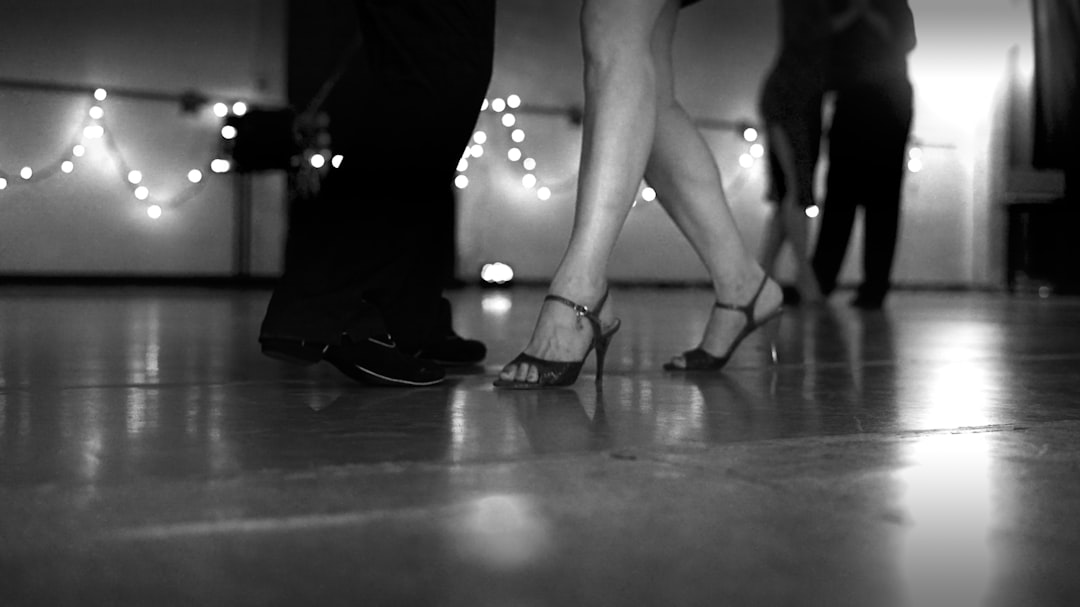
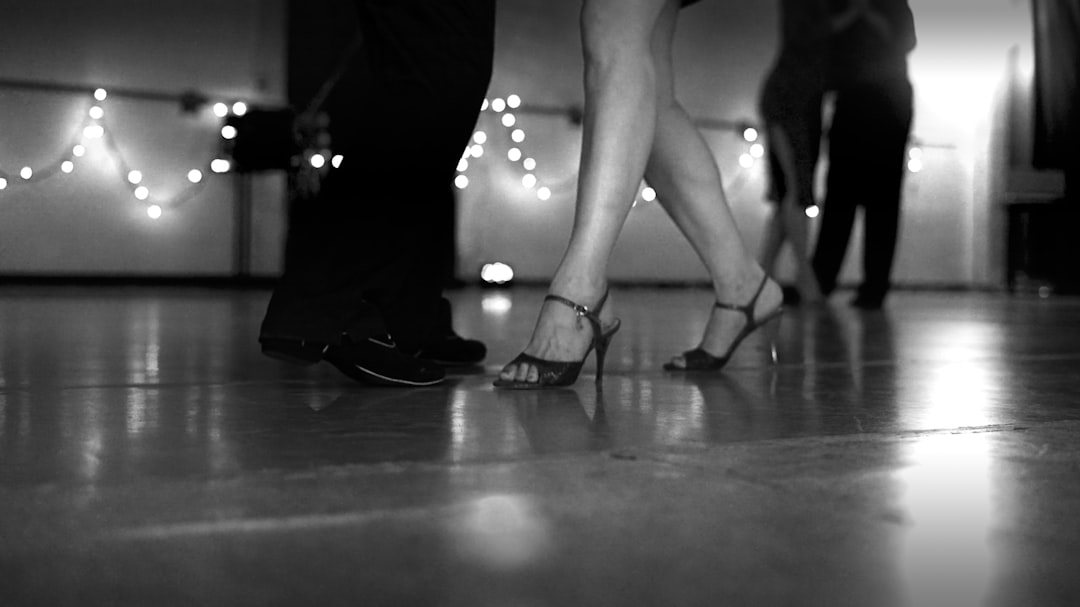
Footwear choices depend on your practice goals. Dedicated tango shoes feature suede soles that grip and slide appropriately, plus supportive construction for pivots. Women’s tango heels typically range 2-3 inches with sturdy ankle support. Men’s tango shoes resemble dress shoes with flexible suede soles.
For beginners, smooth-soled shoes from your closet work fine initially. Avoid rubber soles or athletic shoes, which stick excessively and strain joints during turns.
| Equipment | Essential | Approximate Cost |
|---|---|---|
| Practice shoes | Yes | $60-150 |
| Full-length mirror | Highly recommended | $40-100 |
| Portable dance floor | If needed | $150-300 |
| Quality speakers | Recommended | $50-200 |
| Practice partner | Eventually needed | Free-priceless |
A full-length mirror becomes your substitute instructor, revealing posture issues and alignment problems you cannot feel initially. Position it where you can observe yourself from multiple angles during solo practice.
Audio equipment deserves attention. Tango musicality requires hearing subtle instrumentation details. Bluetooth speakers with decent bass response cost $50-100 and dramatically improve your musical training compared to laptop speakers.
🎵 Developing Musical Understanding
Tango’s soul lives in its music. Technical proficiency means little without the ability to interpret emotion, rhythm, and phrasing through movement.
The Golden Age (1935-1955) produced the orchestras that define tango music: Juan D’Arienzo, Carlos Di Sarli, Aníbal Troilo, Osvaldo Pugliese, and others. Each orchestra developed distinctive characteristics that inspire different movement qualities.
D’Arienzo’s rhythmic, staccato style encourages sharp, percussive footwork. Di Sarli’s smooth, romantic sound invites flowing movements and sustained embraces. Pugliese’s dramatic arrangements demand dynamic contrasts and emotional intensity.
Training Your Musical Ear
Start by listening actively without dancing. Identify the compás (beat), typically organized in groups of eight. Count aloud while listening until the pulse becomes automatic.
Next, distinguish instrumental voices. Recognize the bandoneon (squeezebox), violin, piano, and double bass. Each instrument offers rhythmic and melodic opportunities for interpretation through movement.
Practice with different orchestras daily. Spend one week exclusively with D’Arienzo, then switch to Di Sarli. This focused immersion reveals each orchestra’s personality and expands your interpretive vocabulary.
Cortinas (musical curtains) separate tandas (sets of 3-4 songs) at milongas. Learning to recognize these non-tango musical breaks helps you understand traditional dance event structure, even when practicing at home.
🤝 Solo Practice Techniques That Work
Partner dancing without a partner sounds paradoxical, but solo practice builds essential skills that partnered work cannot develop as efficiently.
Walking meditation forms tango’s foundation. Practice simple forward steps with complete weight transfers, maintaining axis over your standing leg. Each step should feel balanced enough to pause indefinitely mid-stride.
Record yourself walking. Most beginners discover they bounce, rush transfers, or misalign their bodies. Smooth, grounded walking with delayed weight transfer creates the characteristic tango aesthetic.
Pivot and Rotation Exercises
Master molinete (turns) components separately before combining them. Practice front crosses (forward ochos), side steps, and back crosses (backward ochos) in isolation until muscle memory develops.
Use a doorframe or chair for balance support initially. Focus on dissociation—upper body remaining stable while hips and legs rotate. This separation creates the elegant tango torque that generates smooth turns.
Ocho practice deserves dedicated time. Forward and backward ochos build core stability, axis control, and pivot technique. Perform 10-15 minutes of ocho drills daily, alternating speeds and musical styles.
Visualization and Shadow Dancing
Imagine a partner’s presence during solo practice. Maintain proper embrace position even without physical contact. This mental rehearsal strengthens neural pathways and improves real-partnered dancing dramatically.
Shadow dance to full songs, pretending to follow musical inspiration and imaginary leads. This creative practice develops improvisation skills and personal movement vocabulary.
🔗 Building Connection Skills Remotely
Tango’s essence lies in the abrazo (embrace) and subtle communication between partners. Online learning presents obvious challenges here, but creative approaches bridge the gap.
If you live with someone willing to learn alongside you, partner practice becomes straightforward. Many couples discovered tango together during pandemic lockdowns, building skills simultaneously through online instruction.
Virtual Partner Practice
Some platforms organize virtual practice sessions pairing leaders and followers for simultaneous remote practice. While you cannot physically connect, you can execute patterns together, discuss technical points, and develop timing coordination.
These sessions work best with video calls showing full bodies. Practice simple sequences together, counting aloud to maintain synchronization. The experience builds musical timing and pattern familiarity, even without touch.
Workshops and Intensives
Supplement online study with occasional in-person workshops or local practica (practice sessions). Hybrid learning—primarily online with periodic hands-on refinement—produces excellent results for many students.
Research local tango communities. Most cities with populations over 100,000 have weekly milongas. Attending even monthly provides crucial partnered practice while maintaining the flexibility and cost savings of online primary instruction.
📈 Tracking Progress and Setting Goals
Self-directed learning requires intentional progress monitoring. Without instructor checkpoints, students risk practicing mistakes or losing motivation.
Maintain a practice journal documenting what you worked on, challenges encountered, and breakthrough moments. Written reflection solidifies learning and reveals patterns over weeks and months.
Video yourself monthly performing the same simple sequence. Watching your evolution over 3-6 months provides motivation during plateaus and highlights subtle improvements you might not feel internally.
Realistic Timeline Expectations
Absolute beginners typically need 3-6 months of consistent practice (3-5 sessions weekly) before feeling comfortable at social dances. Comfort means executing basic patterns, maintaining musicality, and navigating the floor—not advanced technique.
Intermediate proficiency (smooth ochos, varied rhythmic patterns, confident navigation) generally requires 1-2 years of regular practice and social dancing. Advanced skills develop over 3-5+ years of dedicated study.
Online learning may extend these timelines 20-30% compared to intensive in-person instruction, though self-motivated students sometimes progress faster due to increased practice frequency.
🌍 Connecting with the Global Tango Community
Tango culture extends far beyond dance steps. The worldwide community shares values of respect, musicality, and continuous learning.
Join Facebook groups dedicated to tango learning. “Tango Addicts” and “Learning to Tango” feature thousands of members sharing tips, video critiques, and encouragement. Regional groups help you discover local events and practice partners.
Virtual milongas emerged during 2020 and continue thriving. These online social dances let you dress up, practice cabeceo (invitation system), and enjoy tango’s social atmosphere while dancing solo in your living room. The shared experience creates surprising community connection.
Festival Attendance Goals
Major tango festivals happen globally—Buenos Aires, Istanbul, Portland, Berlin, and hundreds more. These multi-day events feature workshops, shows, and late-night milongas creating immersive tango experiences.
Set a goal to attend at least one festival annually. The intensive learning, social connection, and cultural immersion accelerate progress and deepen your relationship with tango beyond what isolated practice achieves.
💡 Common Mistakes and How to Avoid Them
Online learners frequently fall into predictable traps. Awareness helps you sidestep these obstacles.
Rushing progression tops the list. Students often jump to complex sequences before mastering fundamentals. Resist this temptation. Simple walking with exquisite technique impresses more than sloppy advanced patterns.
Spend at least 2-3 months on basic walking, weight transfers, and embrace before attempting fancy footwork. This foundation prevents bad habits that require painful correction later.
Neglecting musicality for technique creates robotic dancing. Balance technical drills with musical interpretation practice. Dance simple patterns to diverse orchestras, focusing entirely on musical expression rather than footwork complexity.
Practicing without feedback reinforces mistakes. Record yourself regularly, post videos in learning communities for critique, or schedule occasional private online lessons with professional instructors for corrections.
Physical Tension Issues
Beginners typically hold excessive upper body tension, especially in shoulders and arms. This rigidity blocks communication with partners and creates an uncomfortable embrace.
Before each practice session, perform shoulder rolls, arm swings, and breathing exercises. Consciously relax while maintaining postural tone—engaged core but soft extremities.
Practice the embrace with a wall or door, feeling grounded weight through your chest without pushing or gripping. Proper embrace balance feels effortless when correctly aligned.
🎯 Advanced Skills Worth Pursuing
Once fundamentals feel comfortable, explore these advanced dimensions that separate good dancers from exceptional ones.
Sacadas (displacements) involve one partner stepping into the space their partner vacates, creating dynamic visual interplay. These require precise timing and spatial awareness developed through years of practice.
Colgadas and volcadas use shared axis and off-balance positions to create dramatic shapes. These advanced techniques demand strong core control and deep partner trust, typically studied after 2-3 years of foundational work.
Musicality layers extend beyond basic rhythm. Advanced dancers interpret melodic phrasing, emotional content, and orchestra-specific characteristics. A D’Arienzo tanda might feature sharp, playful accents, while Pugliese inspires sustained, intense movements.
Teaching as Learning Tool
After 1-2 years of study, teaching beginners accelerates your own learning remarkably. Explaining concepts forces deeper understanding. Observing common mistakes in others reveals your own technical gaps.
Offer free practice sessions to interested friends. The teaching experience builds confidence, solidifies knowledge, and expands your local tango community.
🏆 Making Online Tango Learning Sustainable
Long-term success requires systems that maintain motivation through inevitable plateaus and challenges.
Create a dedicated practice schedule. Treat tango practice like important appointments. Three focused 45-minute sessions weekly typically produce better results than one exhausting 3-hour marathon.
Vary your practice content to prevent boredom. Dedicate Monday to technique drills, Wednesday to musicality exploration, Friday to creative improvisation. Rotation maintains fresh engagement.
Celebrate small victories. Successfully pivoting smoothly, maintaining balance through a turn sequence, or interpreewing a musical pause beautifully all deserve recognition. These incremental improvements accumulate into mastery.
Connect learning to larger cultural exploration. Watch tango films like “The Tango Lesson” or “Assassination Tango.” Read histories of Buenos Aires neighborhoods where tango evolved. Cook Argentine asado while listening to classic orchestras. Cultural immersion enriches technical practice.
Remember that tango mastery represents a lifelong journey, not a destination. Even world champions continue discovering new dimensions of this endlessly deep art form. Online resources put this beautiful tradition within reach, allowing anyone with dedication and passion to participate in tango’s ongoing evolution. Your living room becomes a portal to Buenos Aires, connecting you with dancers worldwide who share this magnificent obsession.
